
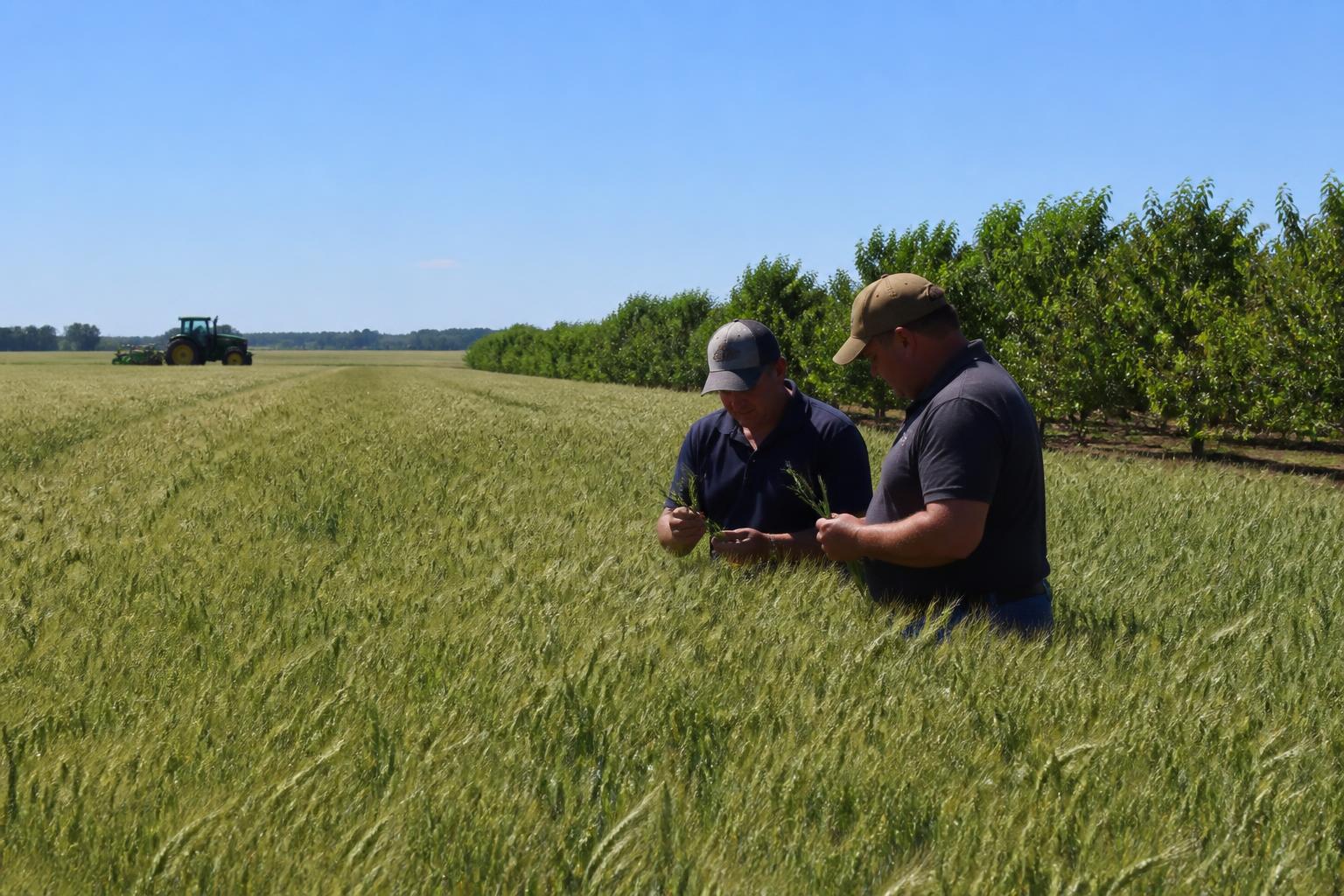
As we move through the final stretch of August, Delaware producers are keeping a close watch on field conditions. Managing late-season variables is essential for maintaining crop health before the harvest window opens. From addressing pest pressures to ensuring that input strategies remain aligned with economic goals, growers across the Mid-Atlantic are evaluating their protection programs to safeguard potential yields.
For those navigating the current late summer crop health challenges, the focus often shifts toward identifying localized stressors. Whether you are dealing with pest monitoring or assessing the impacts of summer climate variability, staying informed on current regional environmental risk factors is a priority for farm managers looking to maintain consistent output.
Adapting to Evolving Agribusiness Landscapes
The broader agricultural landscape in Delaware continues to benefit from institutional research and local innovation. Farmers are increasingly utilizing resources that provide guidance on, for instance, mitigating specific insect pressures that have become more prevalent in our region. These management practices are not just about immediate results; they reflect a long-term commitment to maintaining field productivity against unpredictable environmental variables.
Beyond active field management, producers are keeping an eye on how corporate shifts and policy updates influence the availability and cost of essential crop protection tools. While global grain markets have experienced periods of volatility, local operators often prioritize stability in their input procurement to hedge against the cyclical nature of the industry.
What it means for the market
For Delaware agribusinesses and grain handlers, the late-summer period serves as a critical transition phase. As producers finalize their protection strategies, the focus turns to preparing logistics for upcoming harvests and securing the necessary inputs to ensure field longevity. By balancing proactive pest management with a keen awareness of market signals, local farmers are working to ensure their operations remain resilient, regardless of the broader economic environment.
Comments
No comments yet - be the first to share your take.