
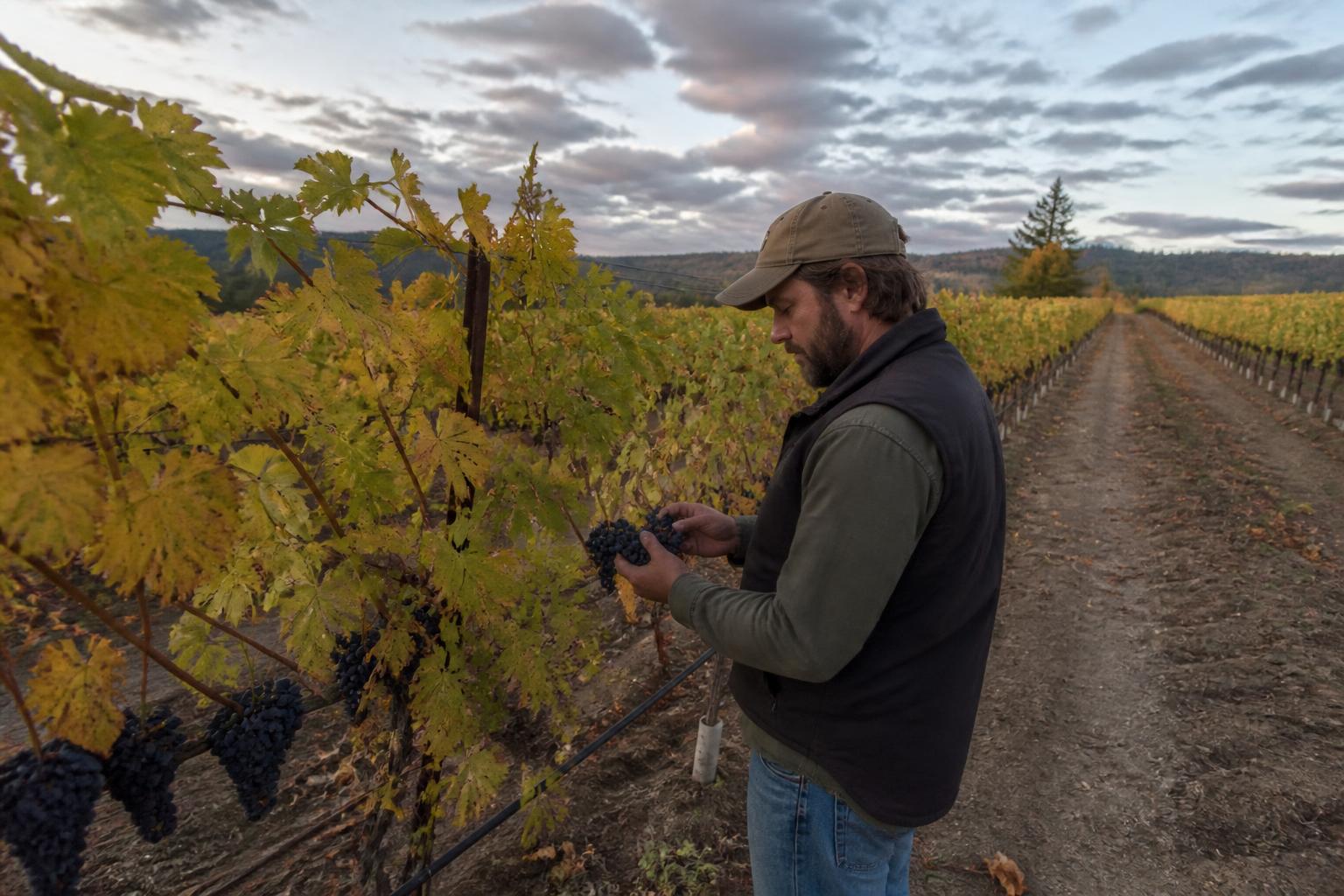
Oregon's agricultural sector is currently navigating a period of transition, marked by significant regulatory developments and a growing emphasis on long-term sustainability. For producers across the state, from the Willamette Valley to the coastal regions, staying informed on compliance shifts is becoming as vital as monitoring soil health and crop yields. As shifting agribusiness dynamics and consolidation redefine the local landscape, stakeholders are urged to keep a close watch on how state-level mandates influence day-to-day operations.
Regulatory Oversight and Local Compliance
The regulatory environment for Oregon growers remains multifaceted. Recent legal and administrative challenges, including ongoing oversight of confined animal feeding operations (CAFOs) and debates surrounding land use, underscore the importance of proactive compliance. Producers are encouraged to engage with local resources to navigate evolving fertilizer oversight requirements, which continue to be a primary point of discussion for those looking to balance input efficiency with environmental stewardship.
Strategic Shifts in Production and Protection
Beyond traditional compliance, many Oregon operations are diversifying their approaches to risk management. As the harvest season progresses, protecting land integrity remains a critical priority for long-term viability. Furthermore, the push for organic practices has gained momentum, reflecting a broader trend of aligning production methods with consumer expectations for sustainable wine and crop production. These changes often require nuanced planning to avoid operational disruptions during peak windows of activity.
What it means for the market
For grain handlers, carriers, and input buyers, these trends indicate a shift toward more meticulous record-keeping and a greater focus on environmental compliance. As Oregon growers adapt their strategies for the harvest season, businesses that provide transparent and environmentally sound services are likely to find stronger footing in the current market. Maintaining flexibility and prioritizing legal preparedness will be essential for navigating the remainder of the year successfully.
Comments
No comments yet - be the first to share your take.