
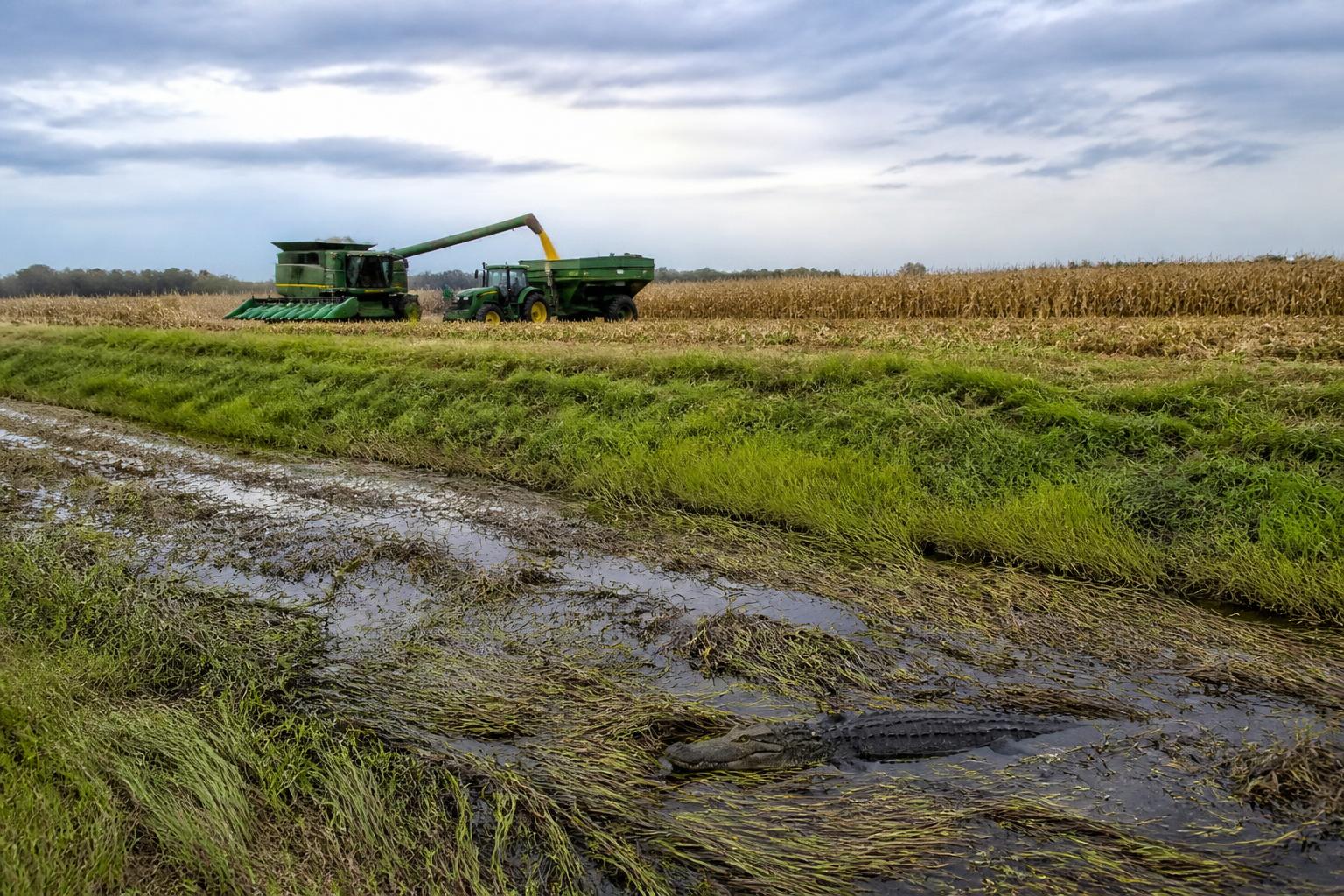
Managing Operational Resilience in Louisiana Agriculture
As the fall season progresses across Louisiana, producers are increasingly tasked with balancing the immediate demands of harvest with the long-term necessity of crop protection. For many in the state, the current agricultural landscape involves mitigating risks associated with unpredictable weather patterns, which have historically impacted yield and operational stability in regions spanning from the Mississippi Delta to the coastal parishes. Effectively navigating these challenges requires a focus on maintaining balanced input costs while fortifying farm infrastructure against environmental volatility.
The Intersection of Financial Support and Risk Management
Financial stability remains a critical concern for many regional operations. Historically, federal assistance initiatives have been deployed to help mitigate significant losses stemming from extreme weather events. For Louisiana farmers, accessing these support mechanisms often represents a vital component of annual planning, particularly when navigating the aftermath of severe storm seasons. When combined with proactive infrastructure planning, these resources can provide a safety net for producers facing localized production declines.
Logistics and Market Outlook
Beyond field-level protection, Louisiana agribusinesses must also consider the broader logistical landscape. Seasonal harvest intensity frequently strains storage and transportation corridors, prompting producers to monitor regional capacity and local processing bottlenecks closely. As operations continue to evaluate their exposure to climate-related risks, many are increasingly diversifying their approach to land and asset management. For those interested in the broader supply chain, keeping an eye on ongoing soil health and logistics adjustments remains essential for maintaining competitiveness during peak throughput periods.
What it means for the market
The Louisiana market is currently defined by a cautious, defensive posture. Producers who prioritize robust infrastructure and engage early with available financial relief programs are typically better positioned to absorb the seasonal volatility that defines the Gulf Coast agricultural experience. Maintaining agility in supply chain decisions while focusing on resilient crop management will be key to navigating the remainder of the year.
Comments
No comments yet - be the first to share your take.