
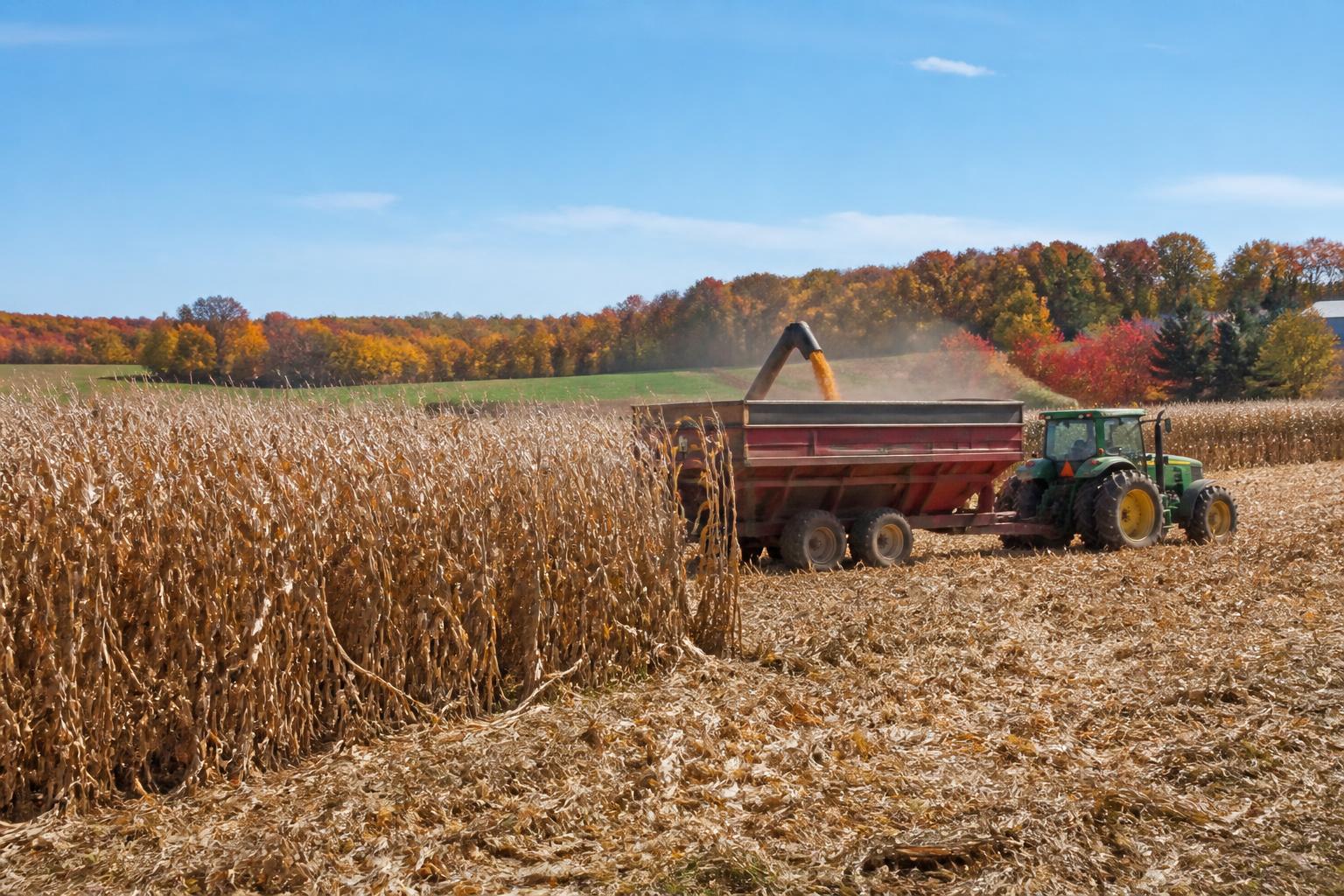
As the fall harvest momentum builds across Pennsylvania, producers are balancing the immediate demands of field work with long-term financial and land management strategies. The season brings a familiar set of challenges, from monitoring crop quality to managing the logistical pressures of a busy autumn window. For many, this period is also a critical time to review fiscal health and explore state-level programs designed to bolster farm sustainability.
With current harvest activity placing a spotlight on yield and quality, staying ahead of grain market fluctuations is top of mind for many handlers and growers. Beyond the immediate harvest, producers in regions like the southeastern corridor continue to emphasize soil health and environmental stewardship, often utilizing state resources to offset the costs of long-term conservation improvements.
Leveraging REAP and Preservation Incentives
Pennsylvania’s Department of Agriculture continues to facilitate support for producers through the Resource Enhancement and Protection (REAP) tax credit program. This initiative serves as a vital tool for those looking to implement best management practices without shouldering the full financial burden. In many rural counties, these credits are frequently paired with farmland preservation efforts, ensuring that agricultural land remains productive for future generations.
Navigating Market Dynamics and Infrastructure
The transition through the fall months often requires a nuanced approach to logistics, especially as producers navigate late-season transit pressures. Whether moving grain to local elevators or coordinating with regional processors, efficient management of on-farm storage and transport remains a key factor in protecting margins. As the industry evolves, growers are also keeping a watchful eye on emerging diversification opportunities, including interest in alternative fiber and grain crops, which may provide additional hedging against traditional commodity volatility.
Building Resilience for the Season Ahead
As operations look toward the winter months, farmers are evaluating the broader impact of recent seasons on their financial stability. By utilizing current programs, diversifying crop focus, and maintaining a disciplined approach to regional market logistics, Pennsylvania agribusinesses are positioning themselves to better withstand the cyclical nature of the industry.
What it means for the market
For Pennsylvania producers, the intersection of available tax incentives and active harvest management presents a window to fortify operations. Prioritizing conservation investments now can yield significant tax benefits, while proactive logistical planning will remain essential to maximizing returns as the current harvest cycle reaches its peak.
Comments
No comments yet - be the first to share your take.