
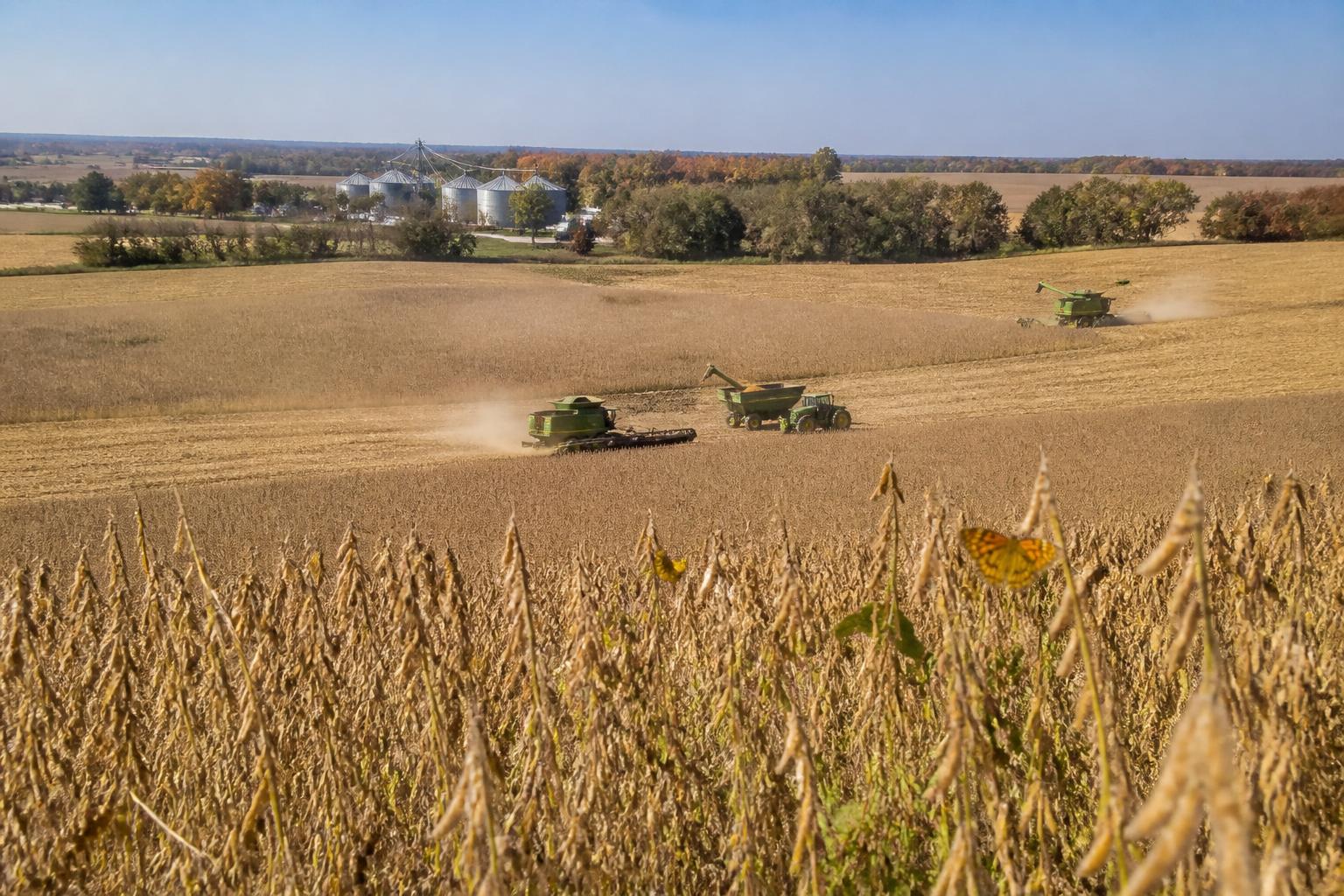
The Iowa harvest is nearing completion, with many producers across the state wrapping up their field work amid a backdrop of significant market pressure. As farmers transition from the intense demands of the combine seat to end-of-season logistics, the focus is shifting toward managing crop storage and navigating the latest price fluctuations that have impacted local elevators.
With harvest activity peaking in key agricultural regions, maintaining efficient grain movement remains a priority for agribusinesses. Producers are reporting that while yield prospects have been generally resilient, the recent market volatility has complicated long-term grain marketing strategies. These market shifts, often compounded by broader agricultural policy questions, continue to weigh on the minds of those looking to optimize their seasonal returns.
Operational Hurdles in the Field
Beyond the market price, operational management remains critical. Throughout the season, many Iowa producers have cited weed control as a primary difficulty, highlighting the ongoing need for robust crop protection programs. As the industry evolves, the integration of new technologies, such as advanced agricultural robotics and biological input alternatives, may offer future pathways for mitigating production costs and enhancing field-level resilience against environmental pressures.
What it means for the market
For grain handlers and input providers, the remainder of the fall season requires close attention to local storage capacity and transportation throughput. As the focus shifts from harvest completion to winter planning, the ability to navigate price volatility and optimize logistics will be the deciding factor for bottom-line stability as the agricultural sector closes out the year.
Comments
No comments yet - be the first to share your take.