
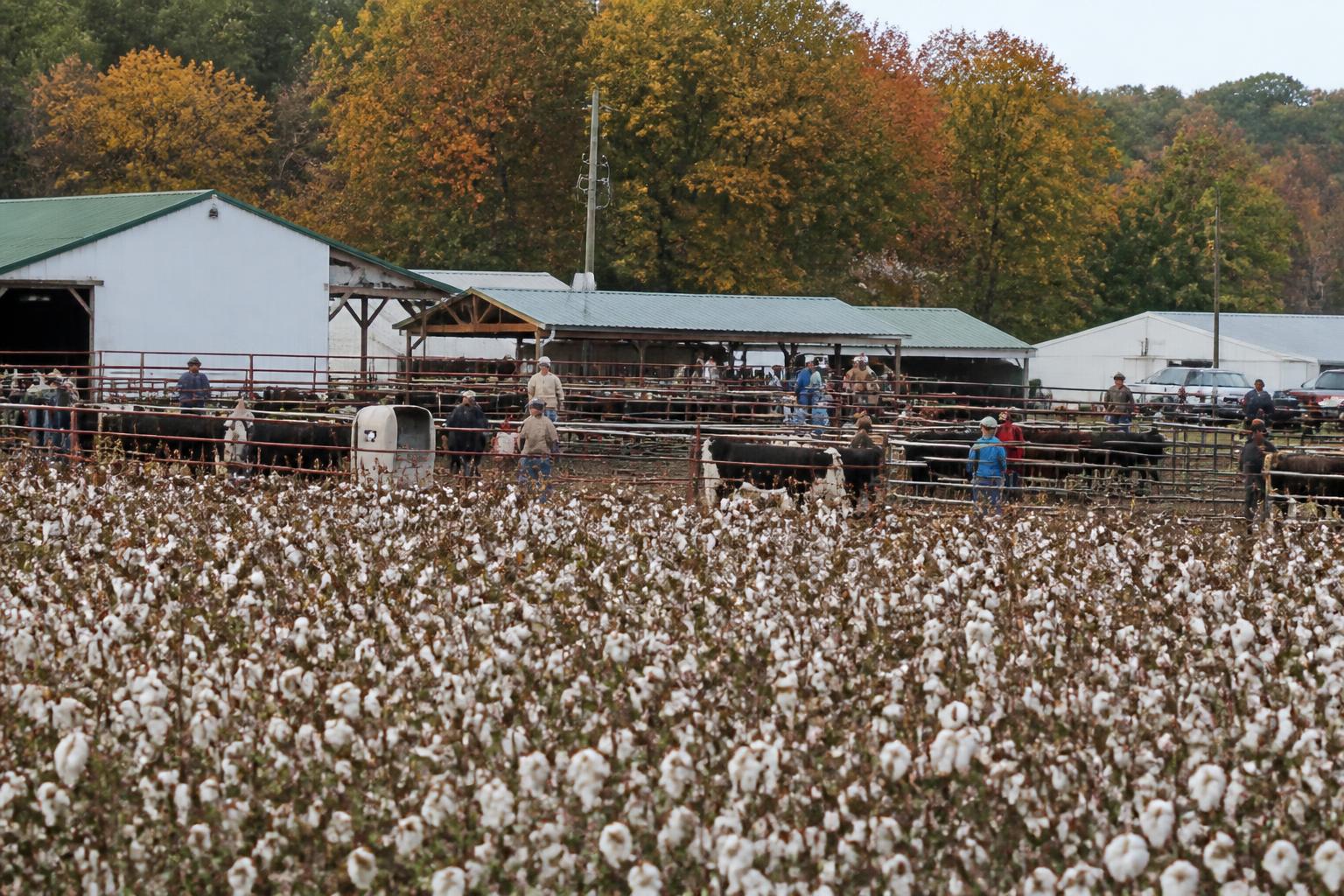
As the fall harvest season moves into full swing across Virginia, producers are balancing traditional field work with a growing interest in long-term infrastructure and variety selection. From the rolling hills of the Piedmont to the diverse operations in the Tidewater region, farmers are looking for ways to maximize land utility and output stability.
Expanding Horizons with Agrivoltaics
A notable trend gaining traction is the integration of agrivoltaics, where agricultural production and solar energy generation share the same land. Recent legislative developments have provided a clearer framework for this model, allowing growers to potentially diversify their operations without sacrificing land health. By co-locating solar arrays with specific crop systems, producers may find new, stable revenue streams that complement traditional seasonal cycles. This shift is particularly relevant as many agribusinesses look to refine their risk management strategies in an increasingly volatile market.
Varietal Performance and Crop Protection
With harvest activity dominating the schedule, performance data on new cotton and grain varieties is taking center stage. Growers report that staying ahead of regional pest pressures remains a priority, especially with the ongoing efforts to address invasive threats to specialty crops like tomatoes. Maintaining crop health and maximizing yield potential remains fundamental, and for those managing Virginia crop resilience, these operational adjustments are key to surviving mid-season challenges.
Logistics and Market Connections
As produce and grains move toward storage or market, efficient Virginia harvest logistics become the primary concern for the coming weeks. Whether navigating regional corridors or coordinating with local elevators, the ability to maintain steady flow is critical for preventing bottlenecks. As operations evolve, many producers are exploring new business models, including controlled-environment agriculture and direct-to-market strategies, which bridge the gap between traditional farming and modern demand.
What it means for the market
For the average Virginia producer, the current season represents a pivot toward modernization. While physical harvest labor remains the immediate focus, the adoption of agrivoltaics and the careful selection of high-performance seeds serve as a hedge against future uncertainty. Agribusinesses should prepare for a landscape where farm-to-market efficiency and integrated land use become the standard for competitive, long-term sustainability.
Comments
No comments yet - be the first to share your take.