
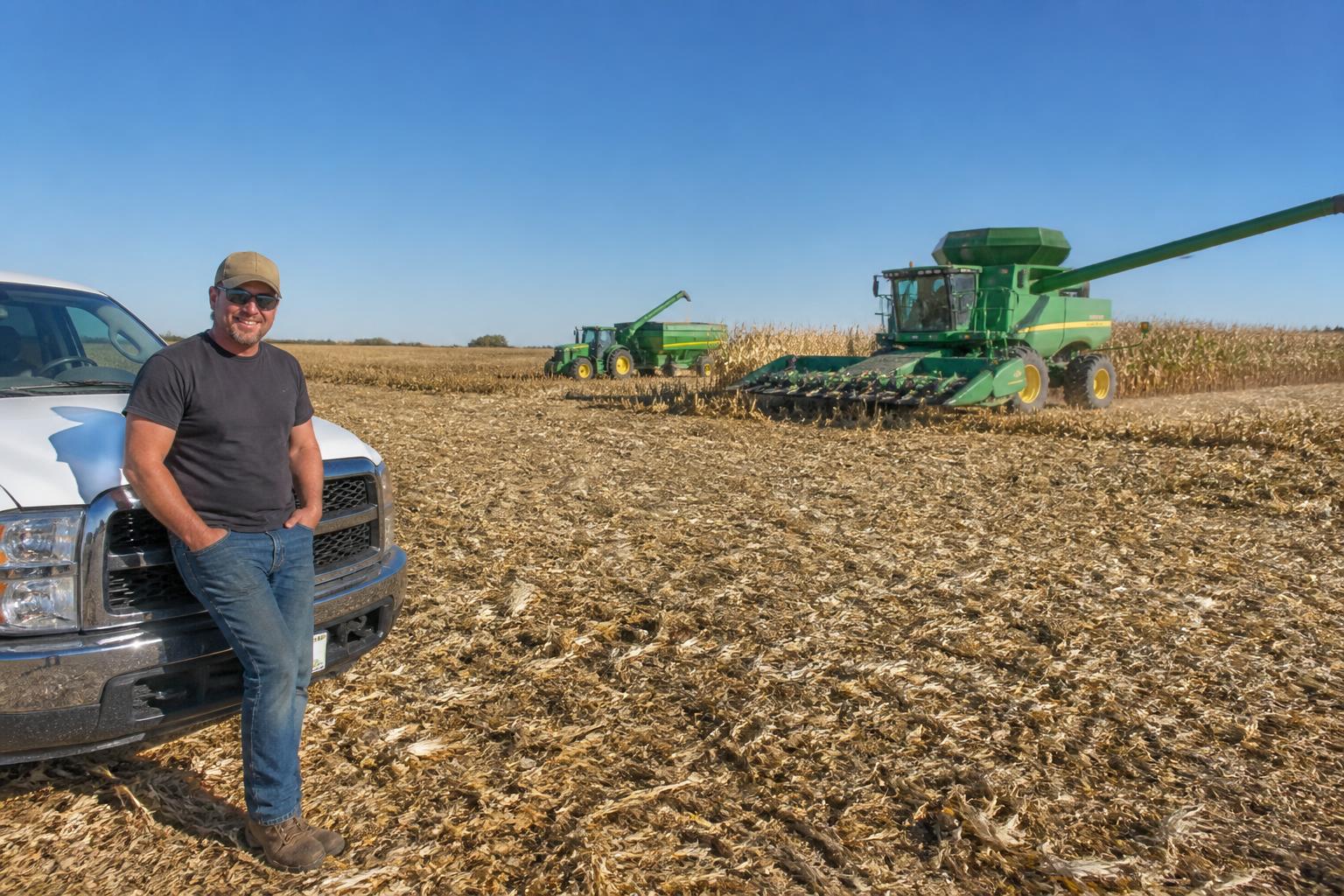
Harvest operations across Kansas are reaching their final stages as the autumn season advances. With a vast majority of the corn and soybean crops already cleared from the fields, regional elevators and logistics providers are transitioning their focus from intense intake to storage management and end-of-year site preparations. For many producers, this phase represents a pivot toward reviewing seasonal performance and assessing the impact of ongoing regional moisture variability on final output.
While recent field progress remains generally aligned with seasonal averages, the broader context of Kansas agriculture continues to be defined by a delicate balance between successful yield outcomes and the pressures of variable environmental conditions. In some areas, the persistent dry conditions observed earlier in the season have necessitated close monitoring of crop quality, encouraging growers to prioritize storage solutions that preserve grain integrity as they conclude their final runs.
Refining Input and Operational Efficiency
The current market landscape encourages Kansas producers to adopt a proactive stance on field management, especially as preparations begin for the next cycle. Amidst reports of localized challenges, including the need for heightened attention to plant health, growers are leveraging data-driven decision-making to mitigate future risks. For those navigating volatility in input costs, focusing on precision technology and resource allocation remains a primary strategy for sustaining long-term operational health.
Strategic planning during this post-harvest window often includes assessing infrastructure needs. Whether managing on-farm storage or evaluating logistical bottlenecks near major rail or truck corridors, the ability to maintain flexibility in grain movement is a critical component of current market success. As the state nears full harvest completion, industry participants continue to watch how these infrastructure adjustments influence local basis levels and overall supply chain flow.
Looking Ahead: Strategic Market Positioning
With the dust settling on the current season, the dialogue among regional producers is increasingly shifting toward policy engagement and the long-term sustainability of the Kansas agricultural sector. Engaging with broader industry developments can help farmers and ag-businesses anticipate potential shifts in support and operational frameworks. For further insights on adapting to changing environments, producers may review established strategies for navigating infrastructure and market adjustments to ensure they remain well-positioned in the coming months.
What it means for the market
As harvest winds down, the focus in Kansas moves from high-volume movement to inventory management. Producers who have secured their storage and logistics plans early will be better equipped to handle late-season price fluctuations. Moving forward, the industry will likely prioritize efficiency and cost-containment measures to offset the cumulative effects of weather patterns seen throughout the year.
Comments
No comments yet - be the first to share your take.