
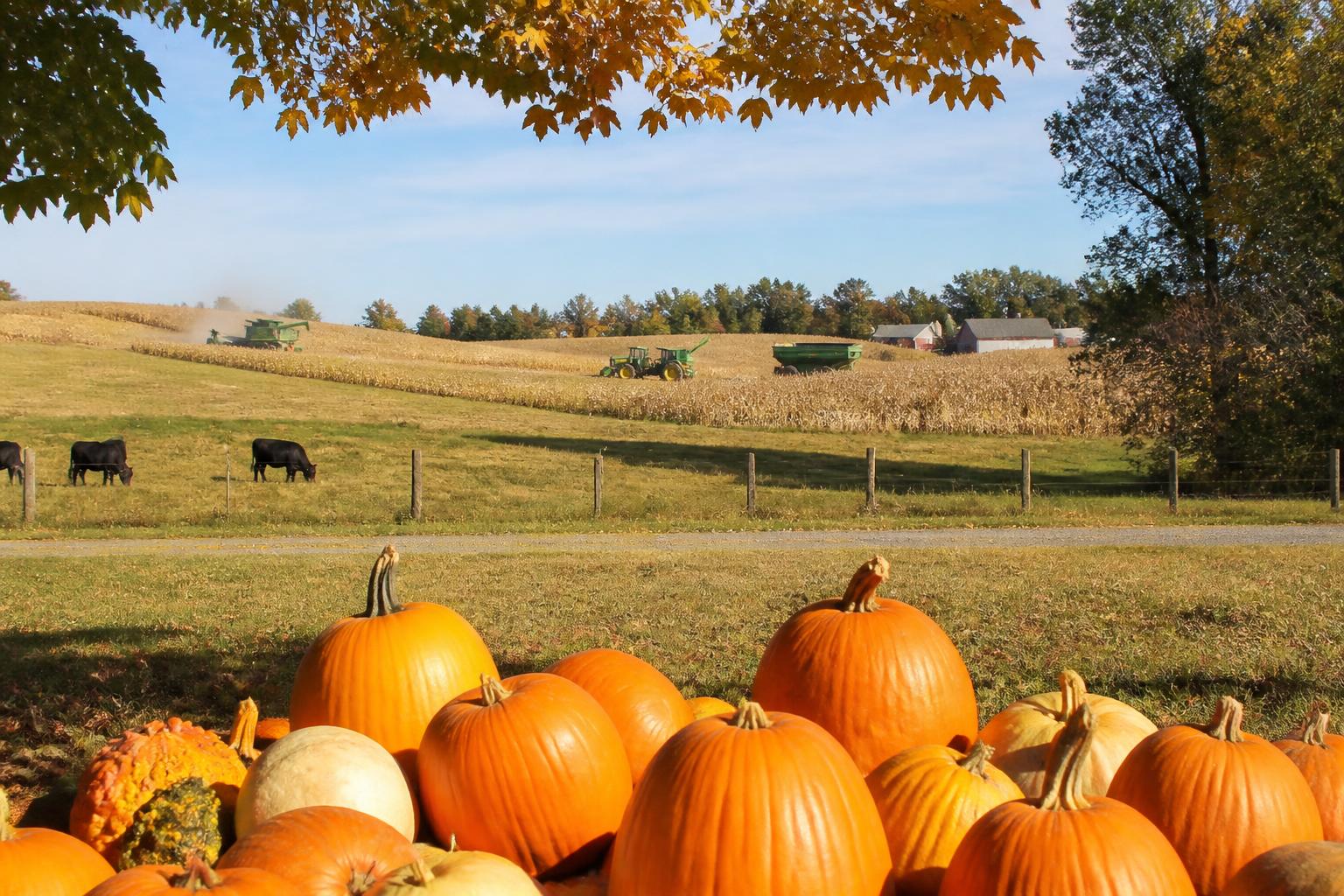
With the fall season in full swing, Georgia farmers and logistics providers are managing a busy period marked by active field work and sustained movement of commodities. As harvest progresses, regional transport corridors are seeing consistent demand, requiring close attention to weight limits and equipment availability. For those moving grain or specialty crops, optimizing load cycles is essential to managing the steady pressure on local supply chain networks.
Understanding the current state of infrastructure is critical for producers looking to streamline operations. As noted in our logistics update on infrastructure capacity, how farmers navigate these corridors directly impacts their bottom line. Staying informed about local bottlenecks and potential delays remains a high priority for elevator managers and heavy-haul carriers alike as they balance the influx of new supplies with existing regional commitments.
Building Resilience in the Supply Chain
The state has seen significant focus on strengthening the agricultural supply chain, with recent efforts centering on long-term sustainability and resource protection. Many producers are balancing the immediate demands of the season with new legislative focus on farmland conservation, which may influence future land-use and facility expansion opportunities. For a deeper dive into these structural changes, read about the resilience of supply chain networks during peak periods.
Market Outlook and Operational Efficiency
As the state maintains a strong pace for agricultural exports, it is vital to keep track of how infrastructure growth supports this competitive edge. Efficient coordination between producers and third-party logistics partners often helps minimize downtime, especially when navigating the nuances of late-season field work. For more on managing these transitions, our insights on navigating the fall landscape offer valuable context for planning operations through the end of the year.
What it means for the market: Producers and agribusinesses should prioritize proactive communication with transport partners to mitigate seasonal bottlenecks. While export records suggest healthy demand, success in the coming weeks will depend on the ability to move harvested commodities efficiently, even as regional infrastructure continues to adapt to increased capacity needs.
Comments
No comments yet - be the first to share your take.