
Managing Export Compliance for Hawaii Producers
For growers across Hawaii, maintaining the integrity of flower shipments and specialty produce is a cornerstone of seasonal profitability. As the fall season progresses, producers are reminded that adhering to rigorous inspection standards is essential for successful logistics. Navigating these regulatory landscapes remains a persistent challenge, but it is necessary to ensure that shipments reach their destination without delays or rejection at transit hubs.
The Role of Precision Technology in Crop Protection
Beyond standard compliance, Hawaii agribusinesses are increasingly exploring how emerging technologies impact farm management. While global conversations frequently center on the evolution of drone technology and its defensive implications, local growers can leverage precision tools to monitor field health and enhance biosecurity. Integrating these systems can help farmers gain greater control over their operations, which is vital when addressing long-term land security and innovation needs.
Community and Market Engagement
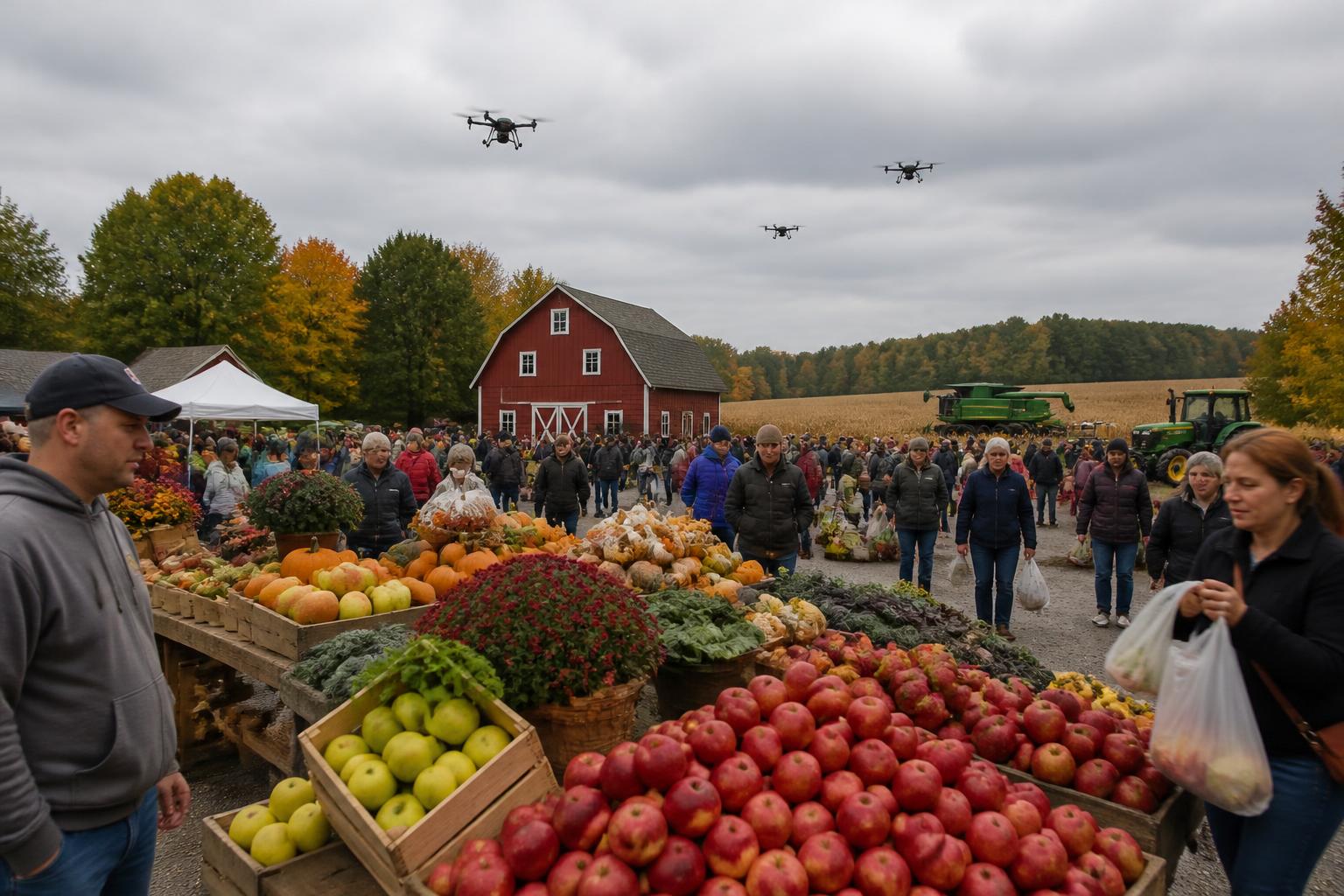
Local markets like those found at the Red Barn Farmstand highlight the importance of the direct-to-consumer sector for Hawaii agriculture. Engaging with local networks not only provides a stable revenue stream but also fosters the community resilience necessary to navigate broader economic headwinds. As producers evaluate their seasonal output, focusing on high-quality, pest-free production helps maintain a competitive edge in both local and mainland markets.
What it means for the market
Farmers who prioritize strict biosecurity compliance and invest in scalable monitoring technology are better positioned to mitigate the risks of shipment disruptions. In the current market environment, balancing these protective measures with active local market participation is key to sustaining growth through the final months of the year.
Comments
No comments yet - be the first to share your take.