
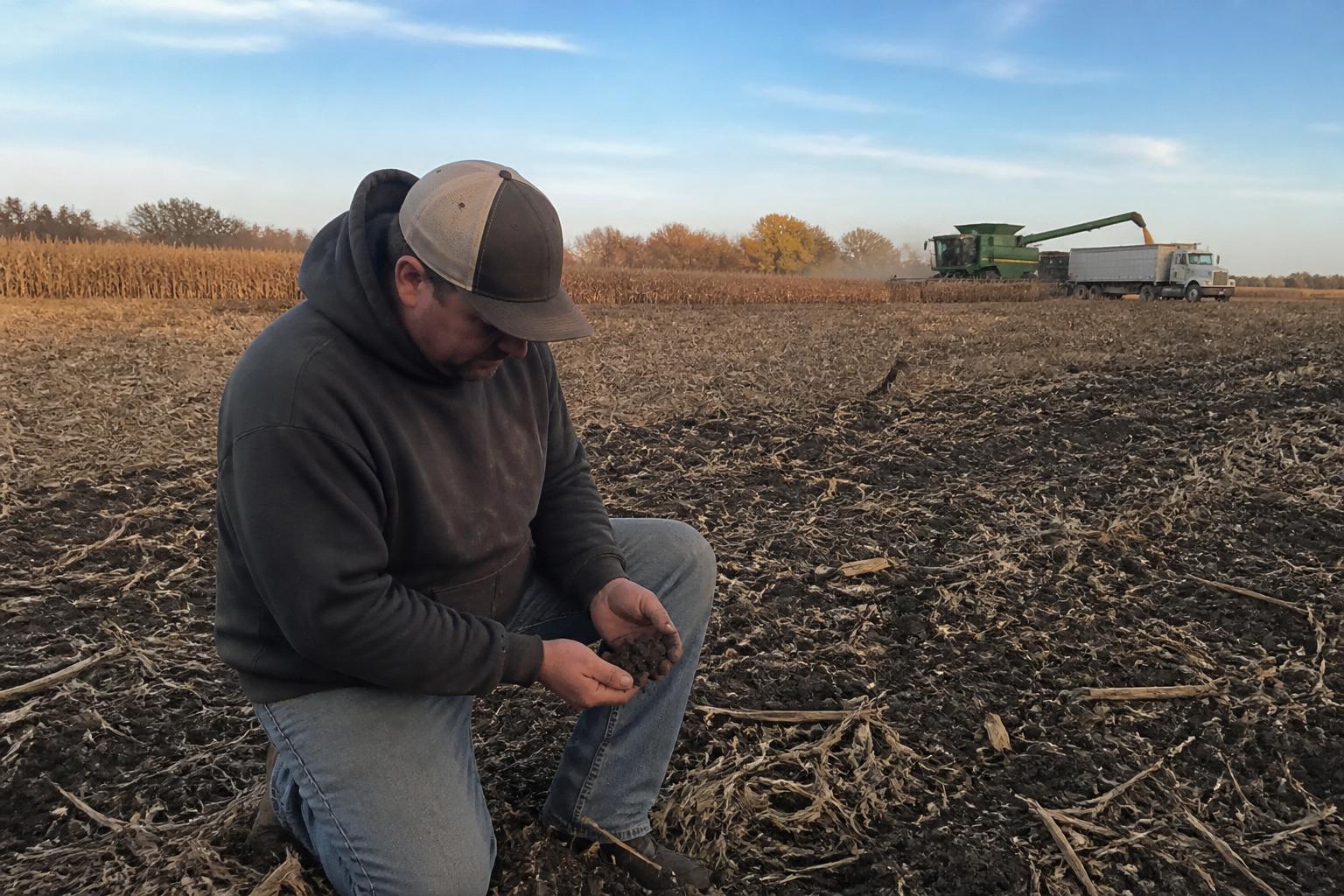
Legislative Shifts and Liability Concerns
As harvest reaches its final stages across the Peace Garden State, North Dakota producers are navigating a shifting regulatory environment. Most notably, the state has moved forward as the first to enact a new 'failure to warn' law. For growers, this development highlights the evolving importance of understanding legal liabilities surrounding agricultural inputs and chemical applications. This legislative change is prompting many in the industry to re-evaluate their documentation and application practices as they prepare fields for the upcoming season.
These regulatory updates coincide with broader regional discussions regarding the long-term management of farm inputs. Staying ahead of these changes is essential for maintaining efficient operations. For those looking to refine their approach to risk and input management, managing North Dakota crop protection and market volatility this fall remains a key priority for many agribusinesses.
The Future of Soil Health and Input Selection
Beyond legislative changes, North Dakota farmers are increasingly looking toward emerging science to optimize their protection strategies. Recent advancements in phytobiome research are gaining traction, with a focus on how soil biology might offer alternatives or support to traditional synthetic inputs. This move toward biology-led agriculture may eventually impact how growers approach common concerns, including the use of restricted herbicides such as paraquat, where safety and usage regulations continue to be a primary focus for field managers.
Producers should continue monitoring these developments as they plan for the next growing cycle. Further insights on balancing these modern agronomic challenges can be found in our coverage of North Dakota crop protection strategy amidst variable yields and input realities, which addresses the necessity of adapting to changing environmental and regulatory conditions.
What it means for the market
The convergence of new legal frameworks and evolving biological research suggests a tightening focus on accountability and efficiency in the North Dakota agricultural sector. Growers who prioritize robust record-keeping and stay informed on shifting liability laws will be better positioned to navigate the market. For more context on how these broader trends affect the wider industry, review the recent outlook on the North Dakota agricultural sector's navigation of the evolving regulatory and infrastructure landscape.
Comments
No comments yet - be the first to share your take.