
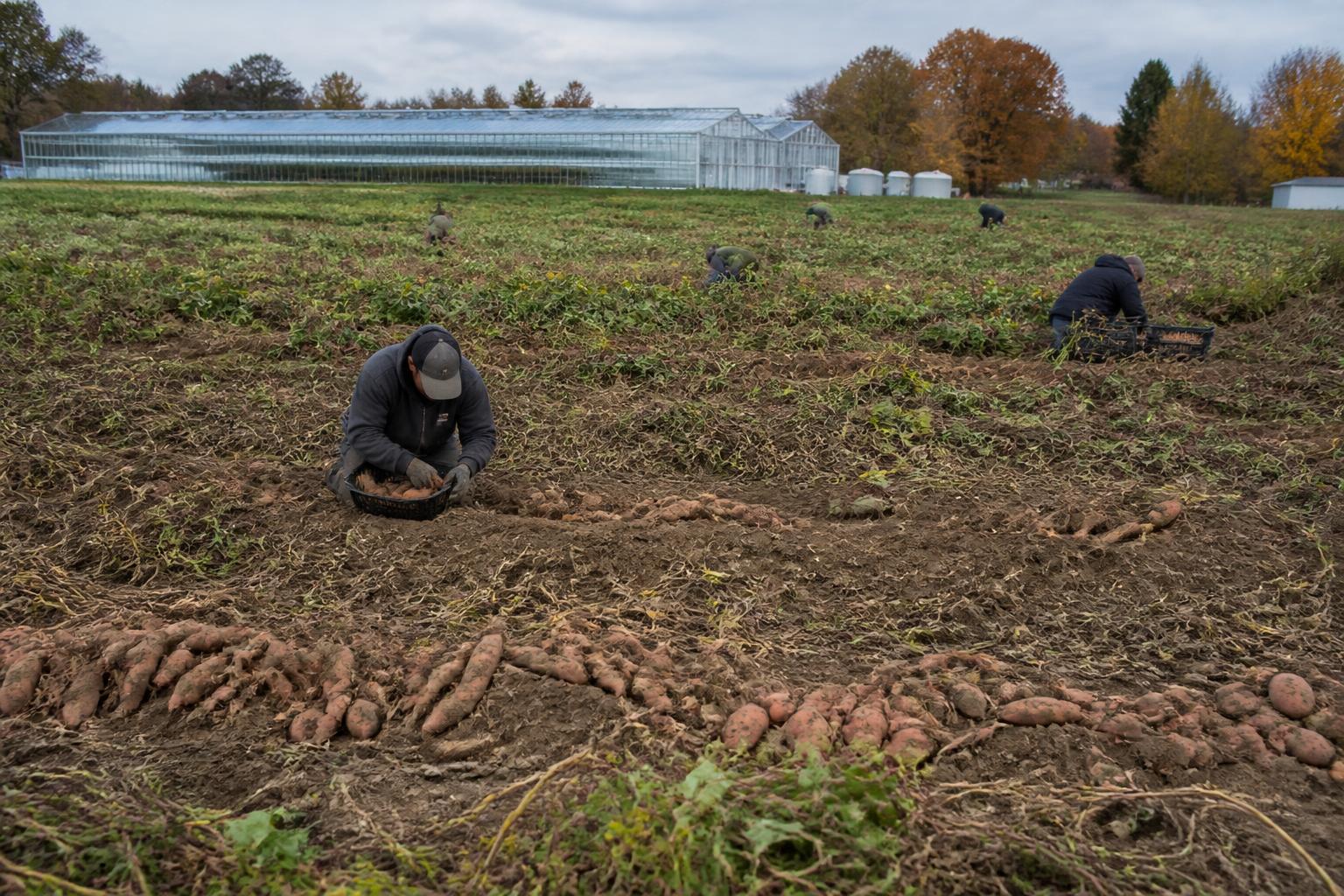
With the peak of the autumn harvest now behind us, New Hampshire agricultural businesses are transitioning toward winter prep and post-harvest distribution. The current season requires a sharp focus on logistics, as producers work to move remaining crops while mitigating the pressures of rising operational costs.
For many local growers, optimizing transportation routes remains critical during these final weeks of October. As noted in recent industry assessments regarding regional flow, the ability to manage throughput efficiently is a defining factor in maintaining profitability when market margins are under pressure.
Managing Seasonal Throughput
The logistics landscape in New Hampshire often sees increased strain as fields empty and products shift toward storage or market-ready distribution. Whether managing bulk commodities or specialty crops, the reliance on stable supply chain infrastructure cannot be overstated. Strengthening supply chain efficiency serves as a vital safeguard against the unpredictability of seasonal transit demand, particularly as regional roads face the typical wear of a long harvest season.
Agribusinesses should continue to prioritize early coordination with carriers to ensure timely pickup of remaining inventory. Coordination efforts often pay dividends, especially as regional agricultural stakeholders adapt to evolving infrastructure requirements that demand more agility from local haulers and warehouse managers alike.
What it means for the market
Market participants should remain cautious as late-season cost increases—ranging from fuel surcharges to logistics fees—begin to materialize. Successfully navigating this period depends on proactive planning and a disciplined approach to managing overhead. As the focus shifts from field production to market delivery, stabilizing your logistics partnerships now can help protect against unexpected disruptions before winter sets in.
Comments
No comments yet - be the first to share your take.