
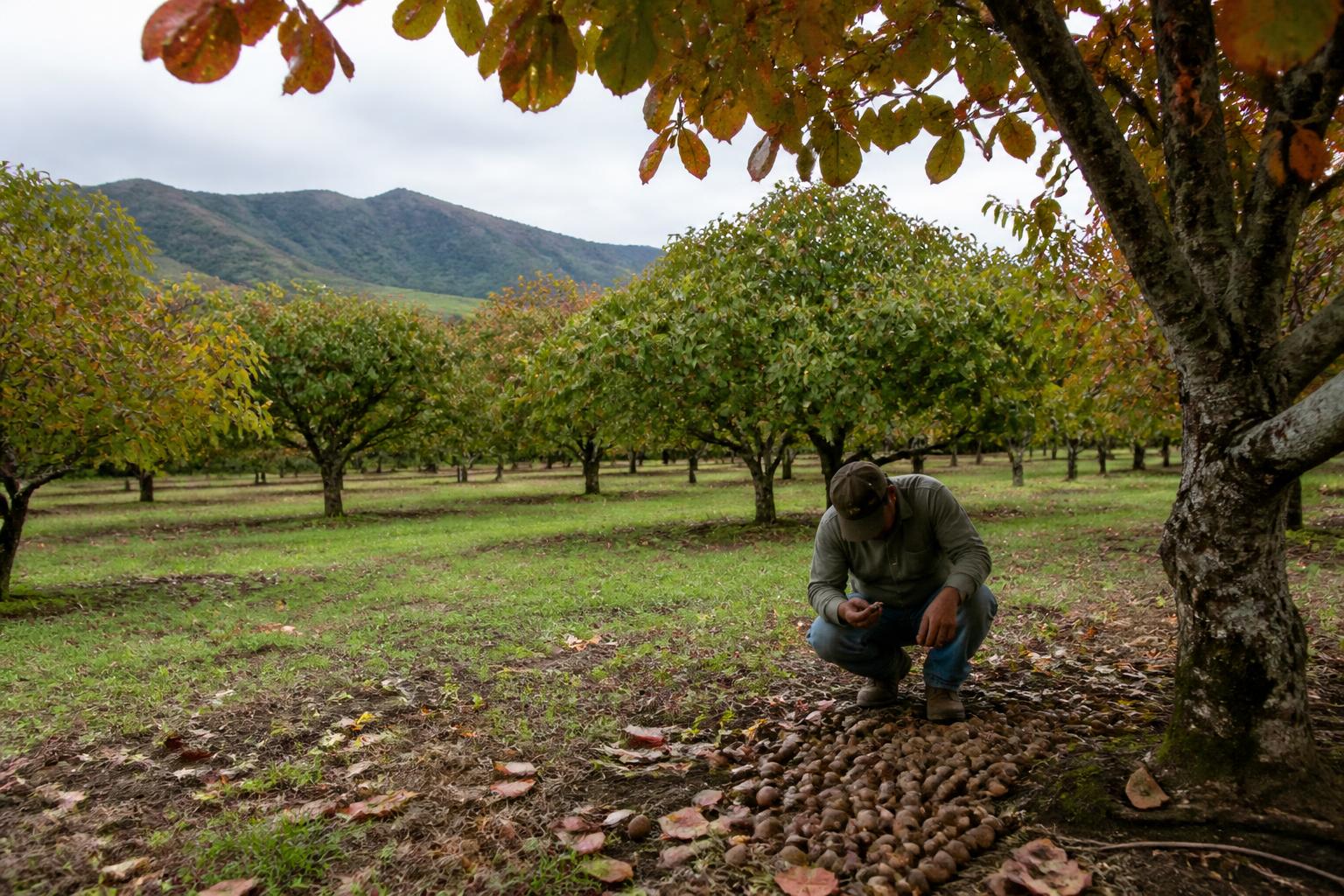
Hawaii's agricultural sector is adapting to a new regulatory requirement mandating origin disclosure for non-local macadamia nuts. For local growers, processors, and supply chain managers, this shift represents a significant move toward preserving the premium reputation of Hawaii-grown products. As the industry navigates these compliance updates, maintaining clear and accurate documentation will be essential for those operating within the state's specialty crop corridors.
Understanding the logistical implications of these mandates is crucial for stakeholders. Producers and packing houses may need to re-evaluate their biosecurity and logistics protocols to ensure that imported and domestic inventories remain strictly segregated throughout the facility. Proper identification and traceability are becoming more than just a marketing advantage; they are now a core operational necessity for any business handling macadamia inventory in Hawaii.
Building Resilience in Local Infrastructure
The push for transparency comes at a time when Hawaii’s agricultural infrastructure is undergoing broader modernization. Whether it is improving seed pipelines for local staples or managing the complexities of tracking an evolving supply chain, the focus remains on long-term sustainability. Farmers and agribusinesses are encouraged to utilize available support services, such as soil testing and agricultural outreach programs, to mitigate risks associated with environmental factors or production disruptions.
What it means for the market
For Hawaii-based agricultural businesses, these new disclosure requirements underscore a tightening of the regulatory environment. While compliance may require short-term adjustments to packaging and inventory management, the long-term result is intended to protect the identity of local crops. Agribusinesses should ensure their supply chain partners are fully aligned with current labeling standards to avoid potential disruptions in product movement or retail distribution during the upcoming harvest season.
Comments
No comments yet - be the first to share your take.