Supply Chain Shifts: Protecting Ohio Grain Logistics from Emerging Pests
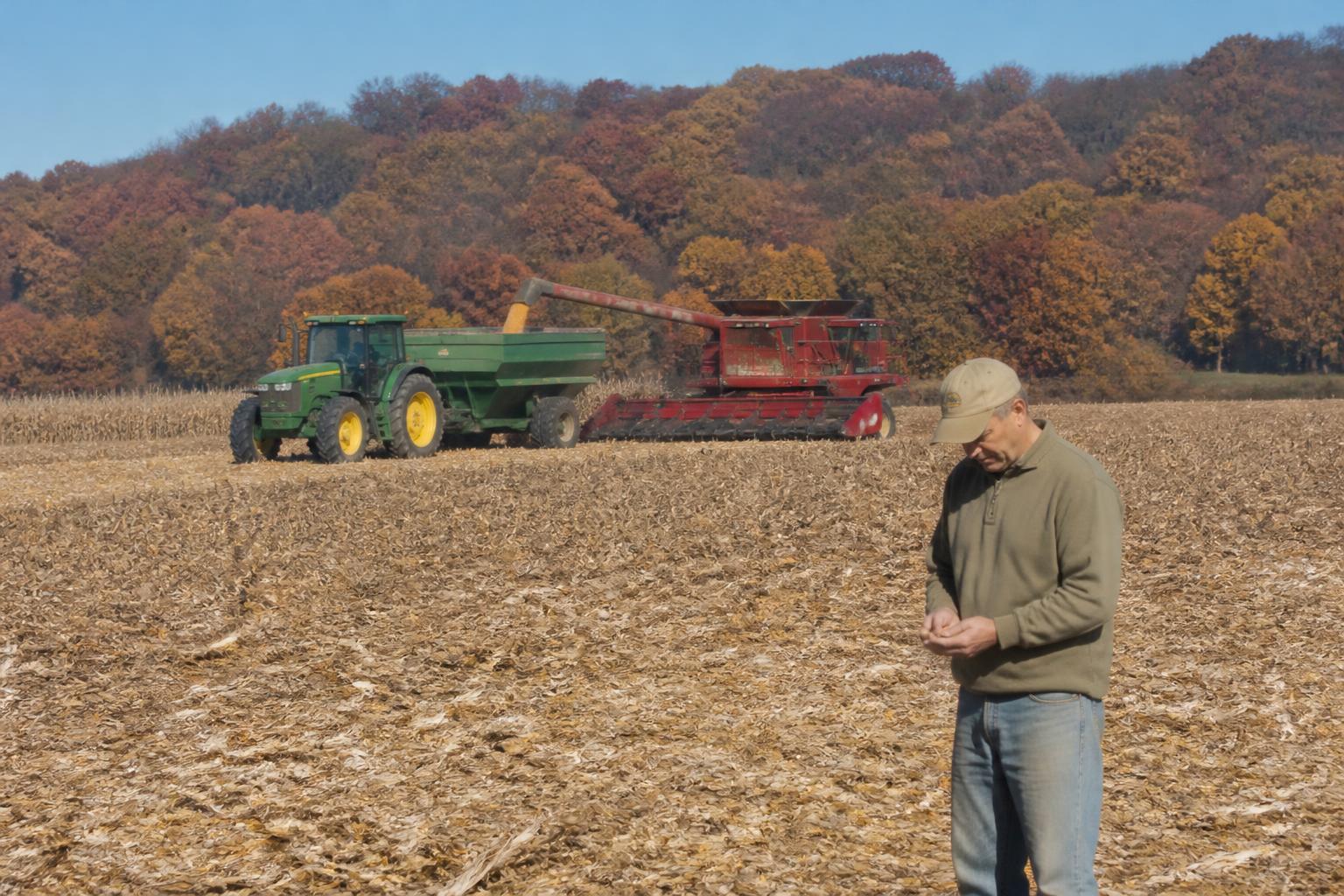
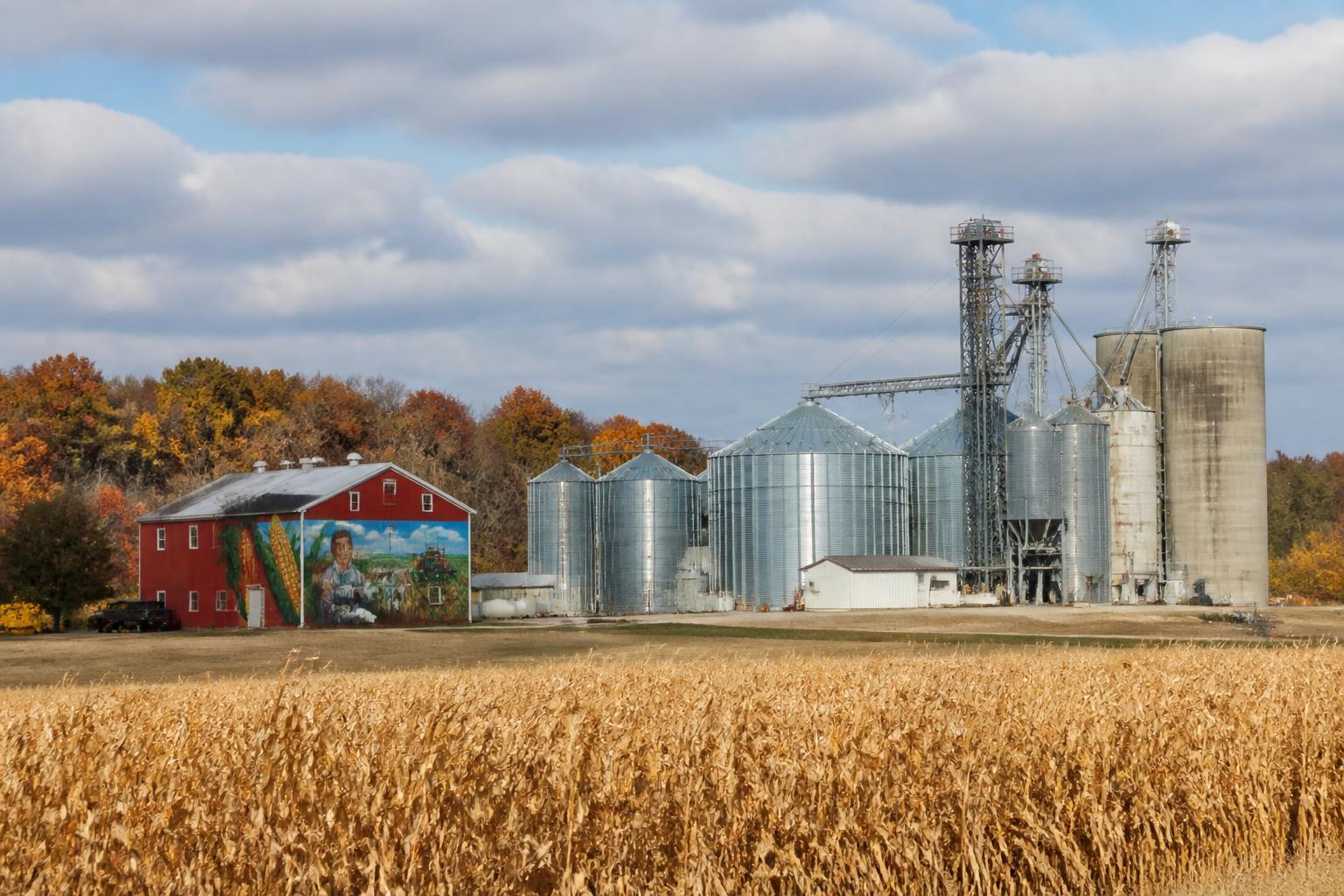
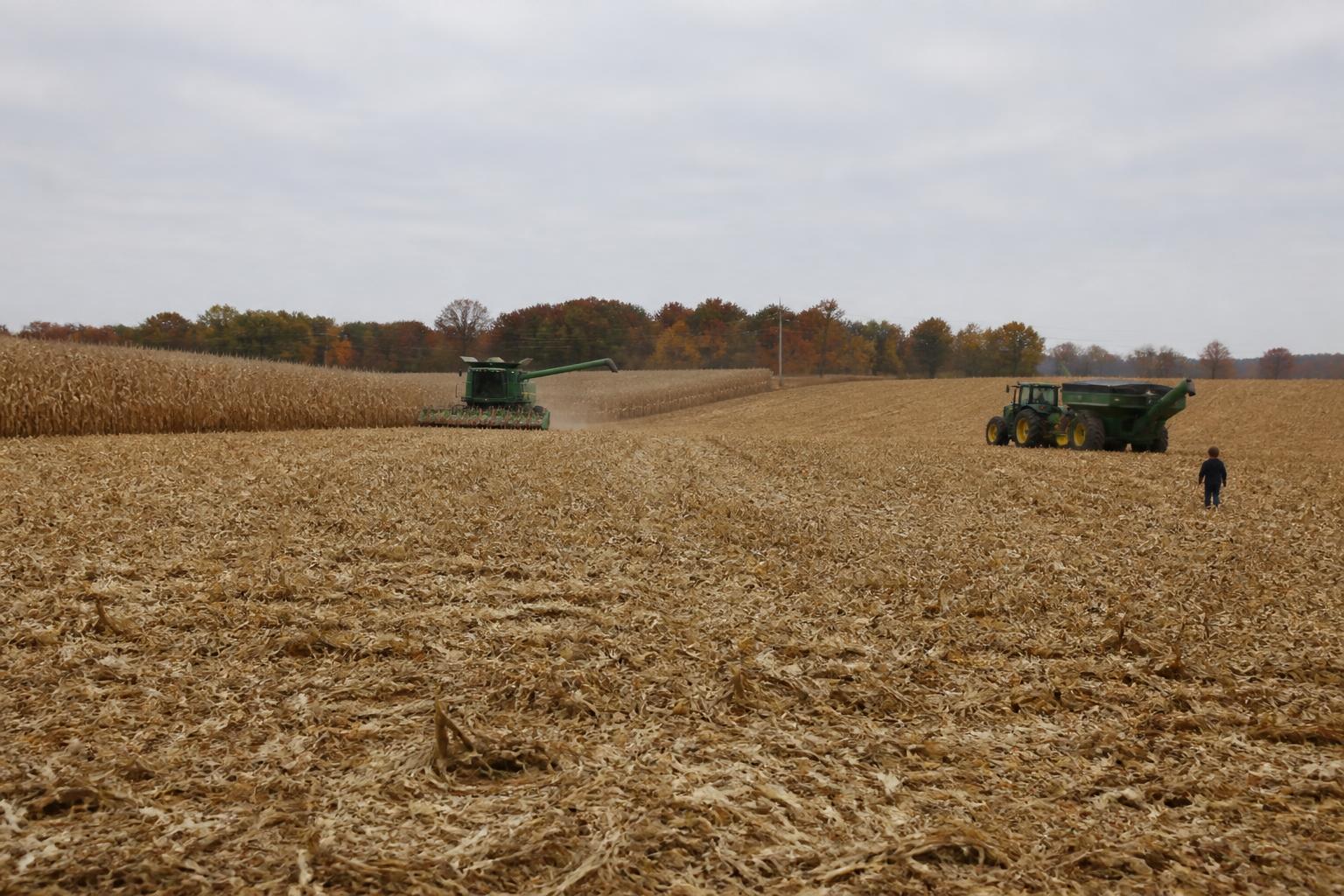
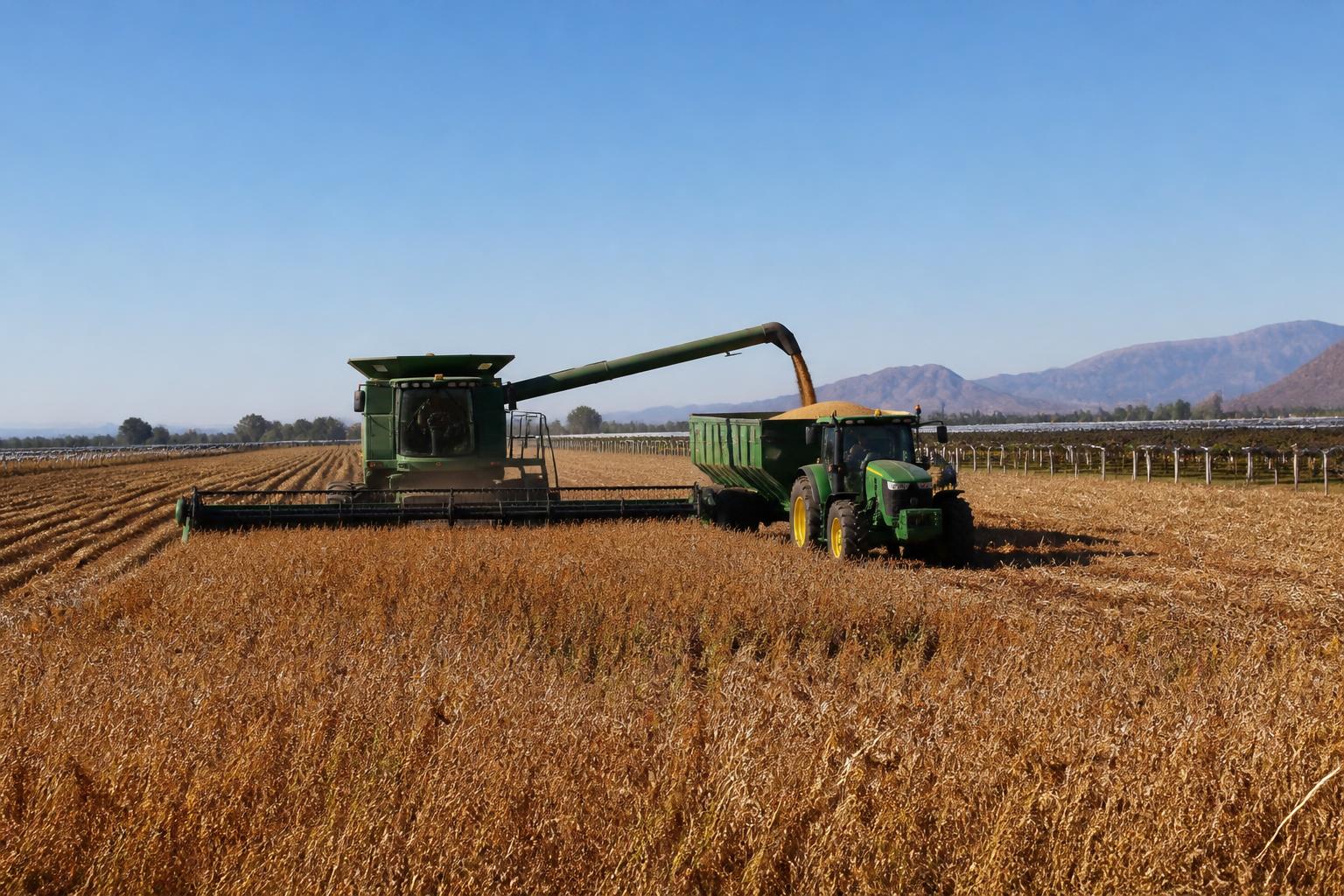
As Ohio faces a new statewide quarantine for the spotted lanternfly, logistics managers and grain handlers must adapt transport protocols to maintain seasonal flow.
We collect original digests and analytical notes based on facts, market signals and verified sources.
As Ohio growers move through the summer season, regional logistics are adapting to new distribution hubs and shifting market demands, even as weather patterns remain unpredictable.
As Ohio faces a new statewide quarantine for the spotted lanternfly, logistics managers and grain handlers must adapt transport protocols to maintain seasonal flow.
As Colorado producers move through the peak of summer, shifting geopolitical dynamics and evolving input costs remain at the forefront of operational planning.
Louisiana producers face persistent logistical challenges as low water levels on the Mississippi River threaten transport efficiency, while broader market pressures linger.
As Iowa producers navigate summer field conditions, regional investment in regenerative agriculture and evolving pest management tools are shaping the long-term outlook for the state's agribusiness sector.
As New Mexico's specialty crop sector navigates shifting federal policy and regional trade influences, producers are reassessing long-term input security and operational resilience.
As Washington producers navigate mid-summer operations, recent regulatory proposals and persistent shipping constraints continue to influence farm-gate planning and input strategies.
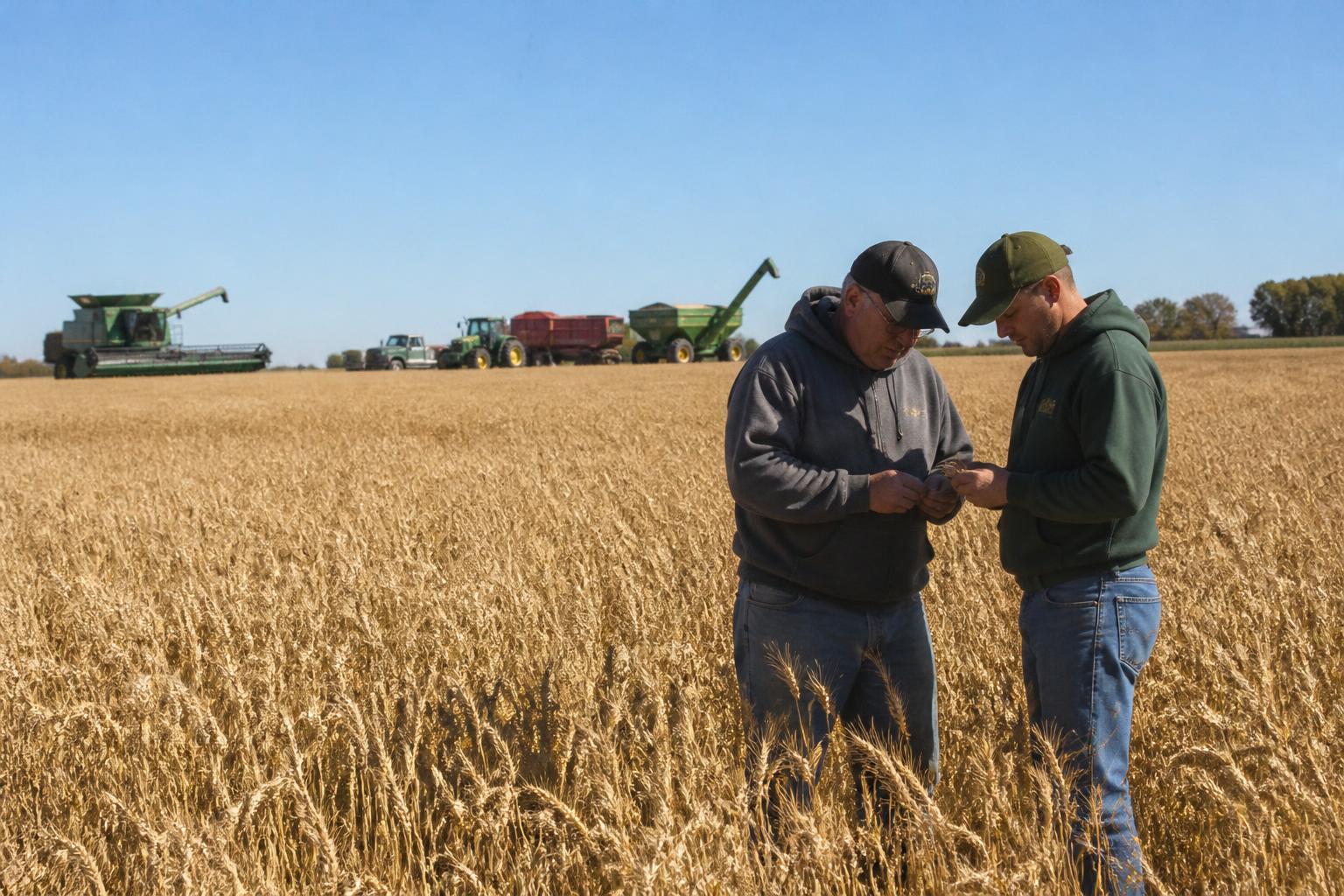
As Nebraska enters the height of summer, grain handlers and logistics providers are adjusting to evolving crop conditions and the mobilization of custom harvesting crews.
As Colorado producers move through the peak of summer, operational efficiency and water management remain top priorities for regional agribusiness.
As South Dakota heads into the heart of summer, producers are balancing the logistics of potential harvest surpluses with new regional infrastructure projects.
As South Carolina agriculture navigates shifting weather patterns and robust food manufacturing demand, producers and carriers must prioritize flexible logistics to maintain local supply chains.
Recent federal regulatory updates regarding hazmat endorsements for jet fuel transport offer potential relief for specialized logistics providers serving New York's agricultural sector.
As Maryland growers navigate the heat of August, regional fuel costs and infrastructure pressures are driving a renewed focus on logistics efficiency and input management.
Sign in to manage requests, save contacts and respond to market offers quickly.
Continue with Google Continue with MicrosoftSign in to manage requests, save contacts and respond to market offers quickly.
Continue with Google Continue with MicrosoftEnter your email and we will send a password reset link.
Don't have an account?
We value your privacy
We use cookies to run the site and, with your consent, to measure traffic (Google Analytics) and personalize ads. You can accept, reject, or choose. Privacy Policy