New Hampshire Ag Logistics: Navigating Mid-Summer Transport Pressures
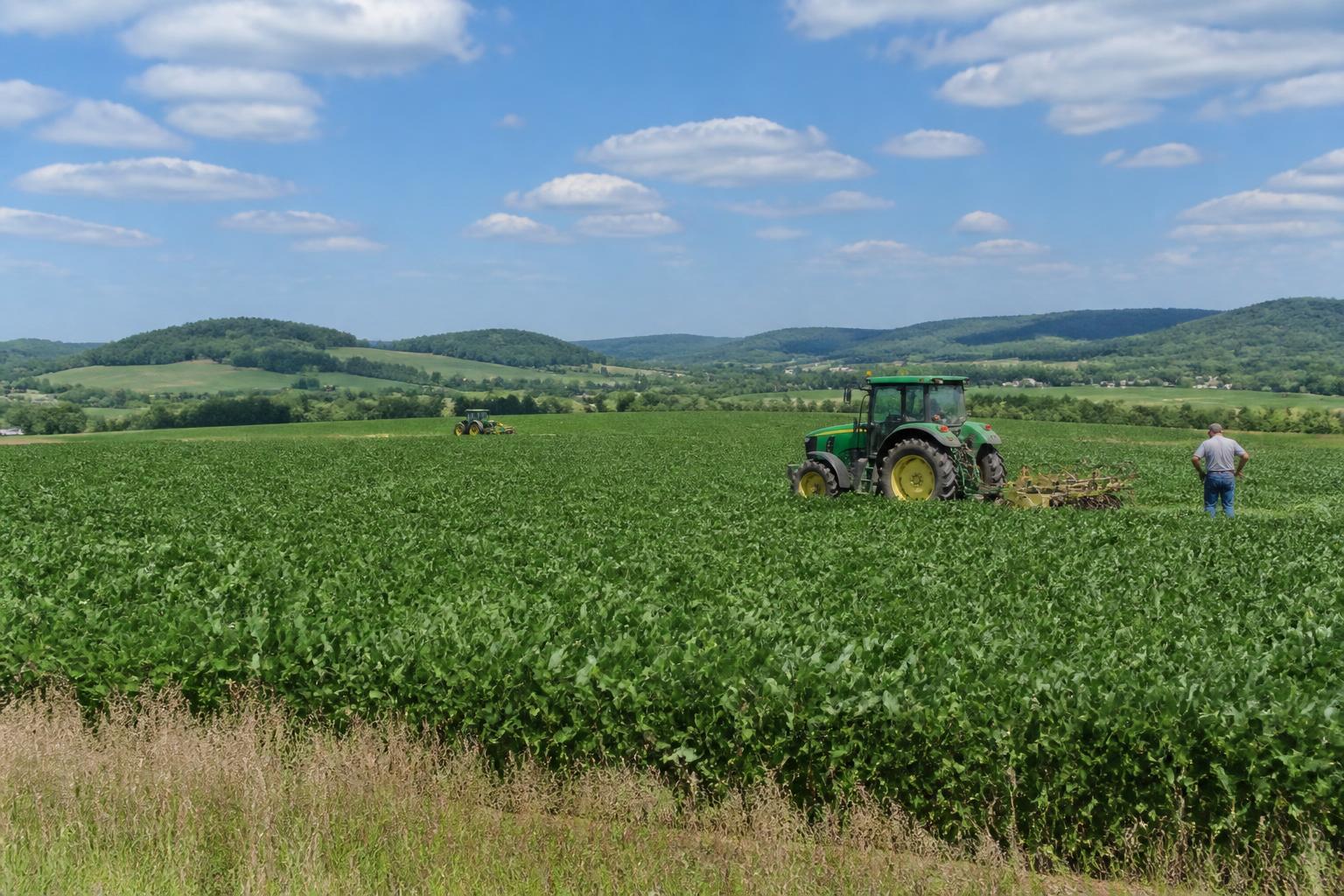
As summer peak operations continue across New Hampshire, producers and logistics providers face ongoing challenges in regulatory consistency and infrastructure demands.
We collect original digests and analytical notes based on facts, market signals and verified sources.
As Alaskan producers navigate the peak of the summer growing season, updates regarding pesticide assessment standards and expanded cargo logistics provide a new outlook for input management and product movement.
As summer peak operations continue across New Hampshire, producers and logistics providers face ongoing challenges in regulatory consistency and infrastructure demands.
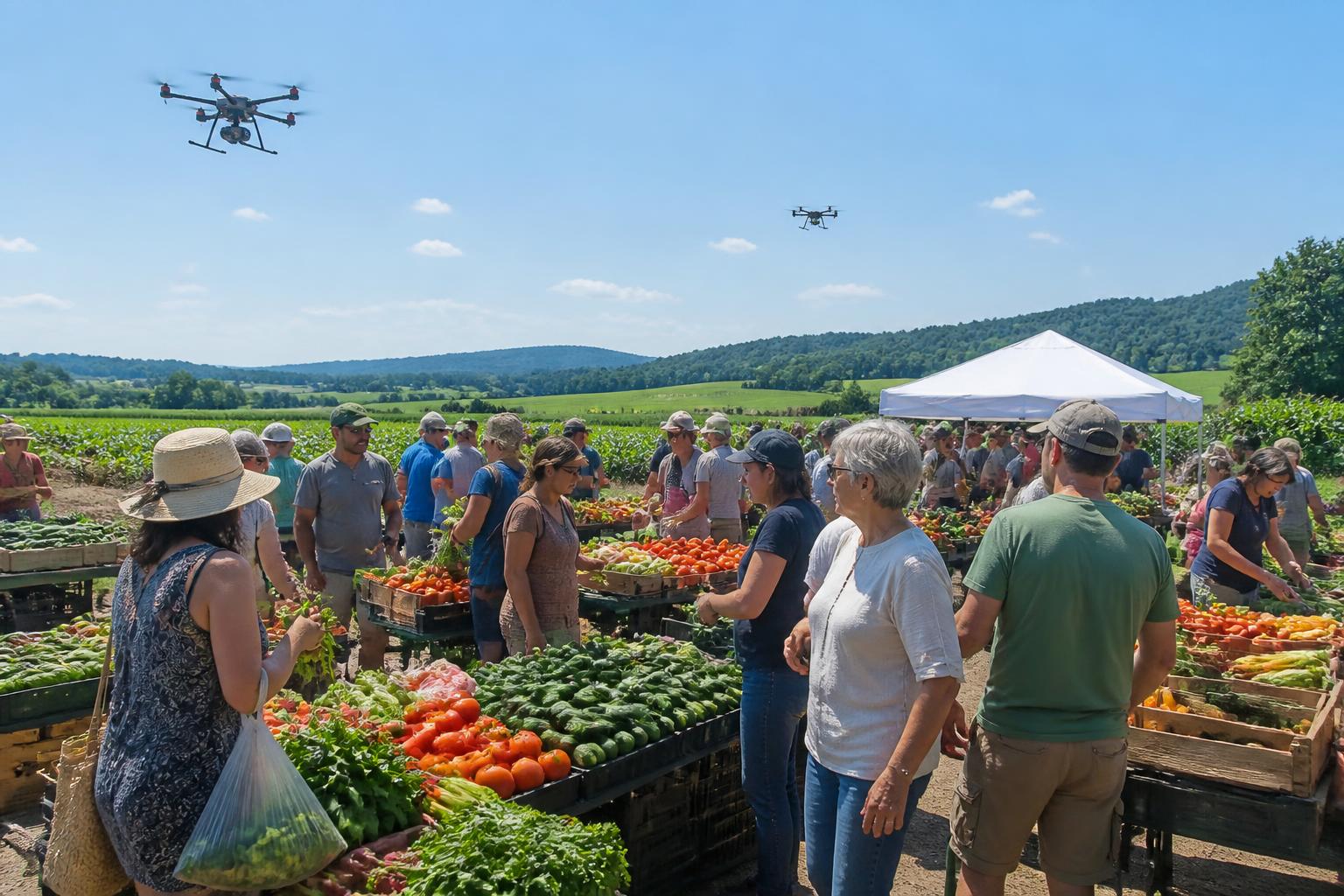
As California moves deeper into the summer harvest, growers and shippers are increasingly relying on real-time logistical coordination and advanced tracking to manage transportation bottlenecks and maintain market efficiency.
As Washington state farmers move through the summer season, international trade negotiations and concerns over potential trade tensions remain top of mind for producers across the region.
As Washington farmers navigate seasonal peak demand, market volatility and logistical infrastructure challenges remain top-of-mind for long-term operational success.
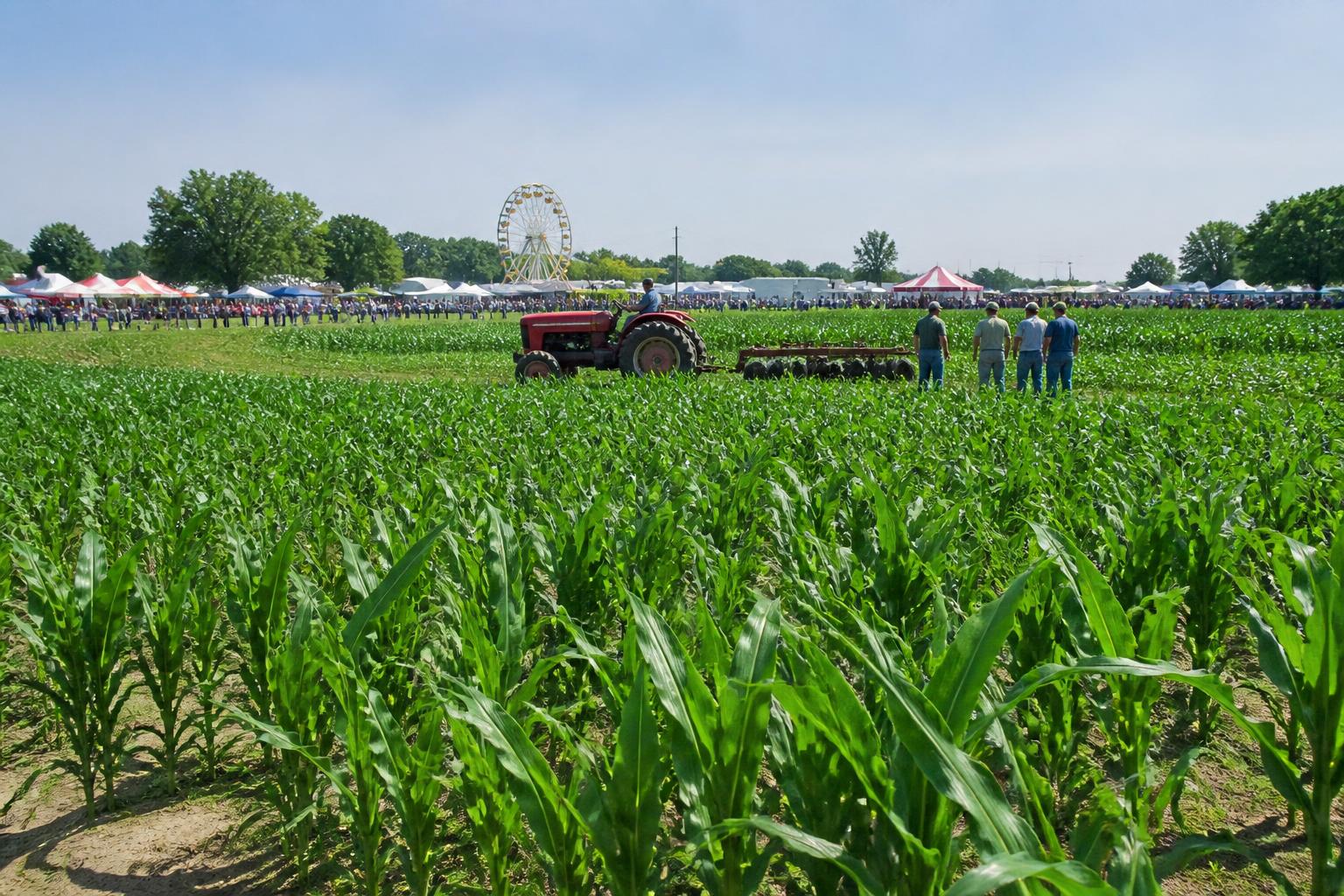
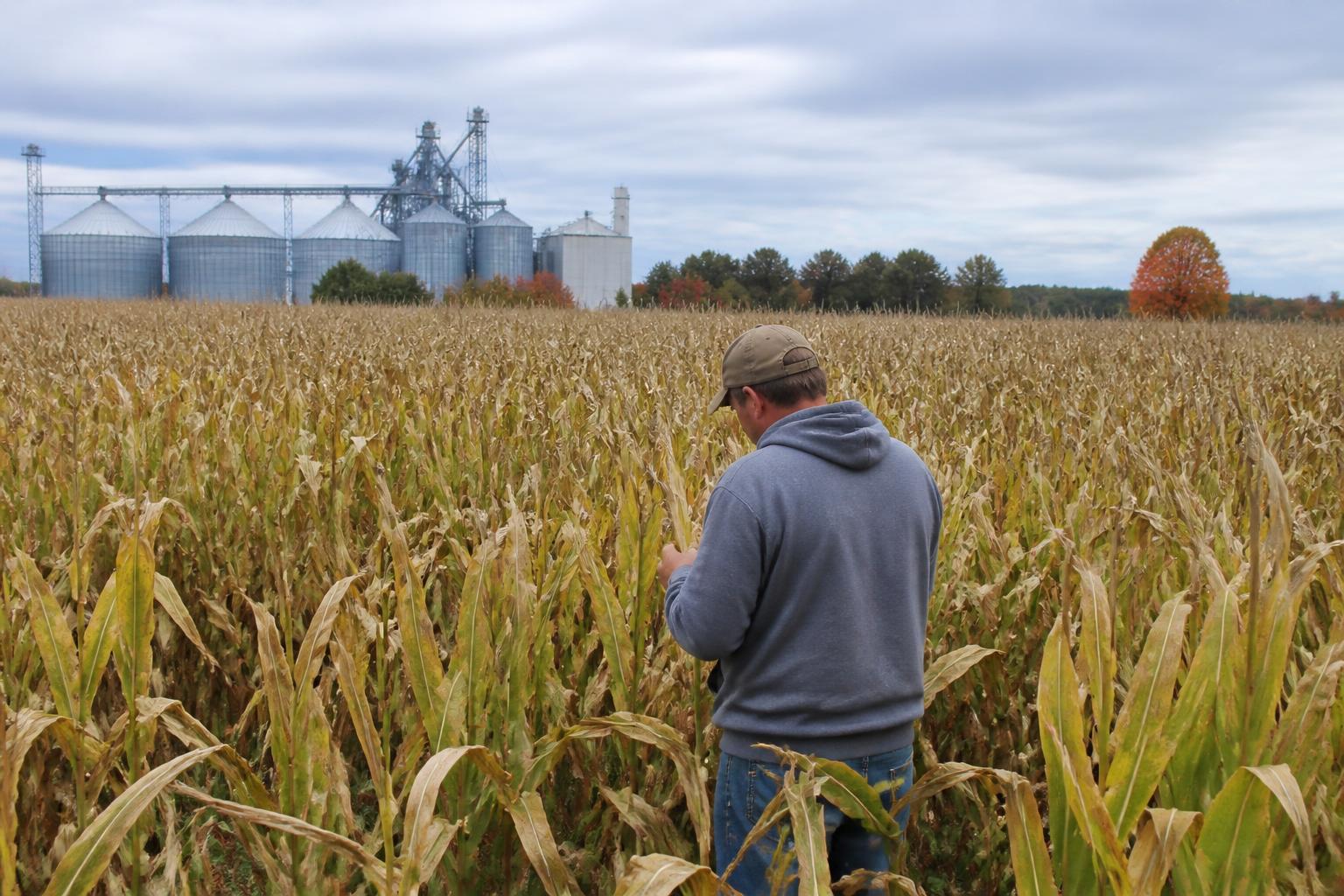
As mid-summer fieldwork progresses in Ohio, grain producers and facility managers are navigating evolving infrastructure pressures and supply chain volatility.
Labor activity at a major Colorado beef processing facility and ongoing rail industry scrutiny are creating uncertainty for regional producers and shippers.
The Vermont Agency of Agriculture has launched a new online portal to help farmers streamline the sourcing and movement of livestock feed during the peak summer season.
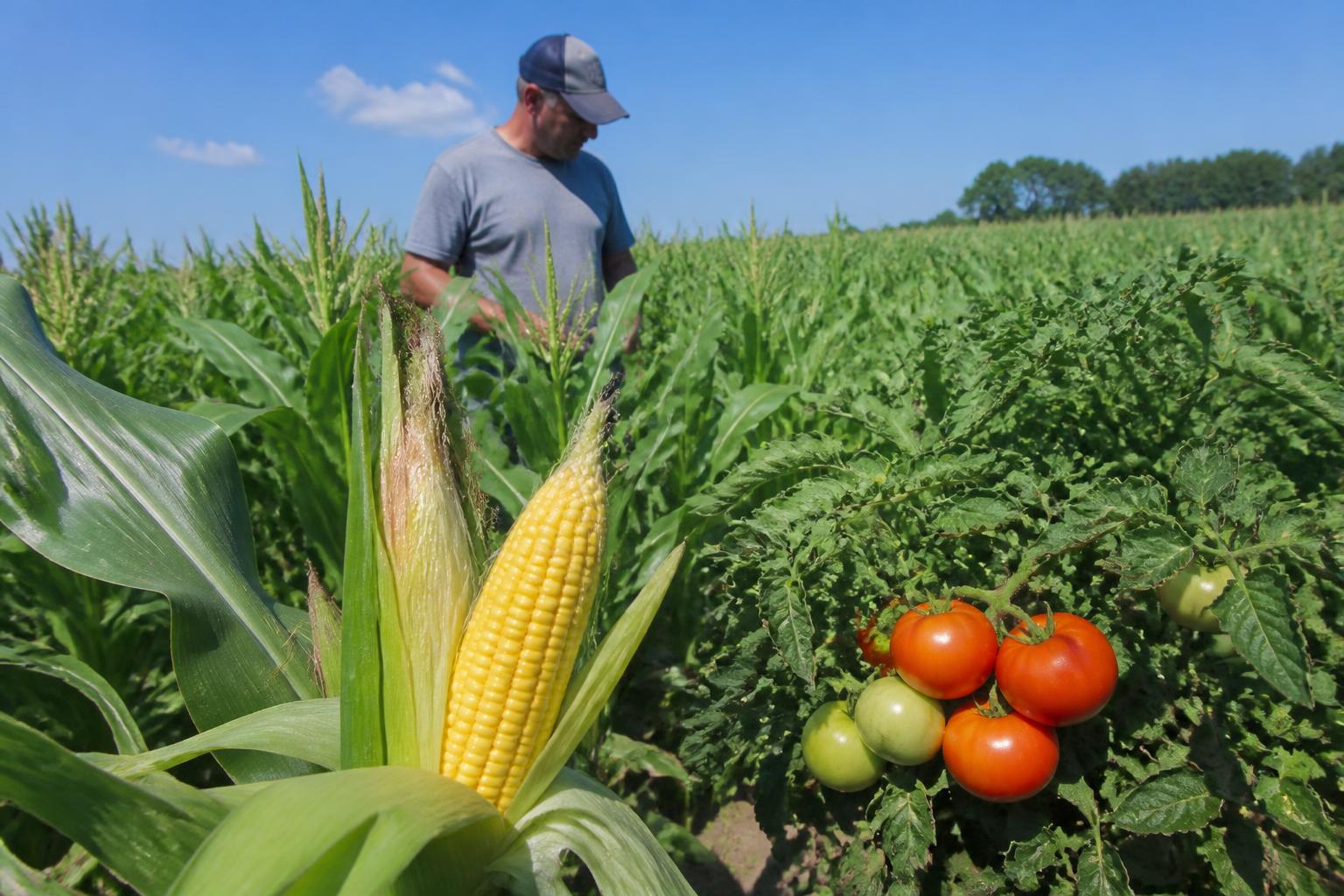
Hawaii producers are facing intensified pressure from elevated input costs and logistics challenges, necessitating a focus on local resilience and innovative crop management.
As Texas producers navigate the challenges of the summer harvest season, ongoing developments in port infrastructure and regional trade dynamics are beginning to reshape local supply chain strategies.
As North Carolina agriculture navigates mid-summer logistics, producers are focusing on supply chain stability and regional transport efficiency to support ongoing operations.
As South Carolina enters the heart of summer, growers are balancing the need for robust crop protection strategies with volatile input costs and evolving regional logistical realities.
Florida agricultural producers continue to navigate a complex landscape of logistics costs and extreme weather risks, with regional stability remaining a top priority for growers.
Sign in to manage requests, save contacts and respond to market offers quickly.
Continue with Google Continue with MicrosoftSign in to manage requests, save contacts and respond to market offers quickly.
Continue with Google Continue with MicrosoftEnter your email and we will send a password reset link.
Don't have an account?
We value your privacy
We use cookies to run the site and, with your consent, to measure traffic (Google Analytics) and personalize ads. You can accept, reject, or choose. Privacy Policy