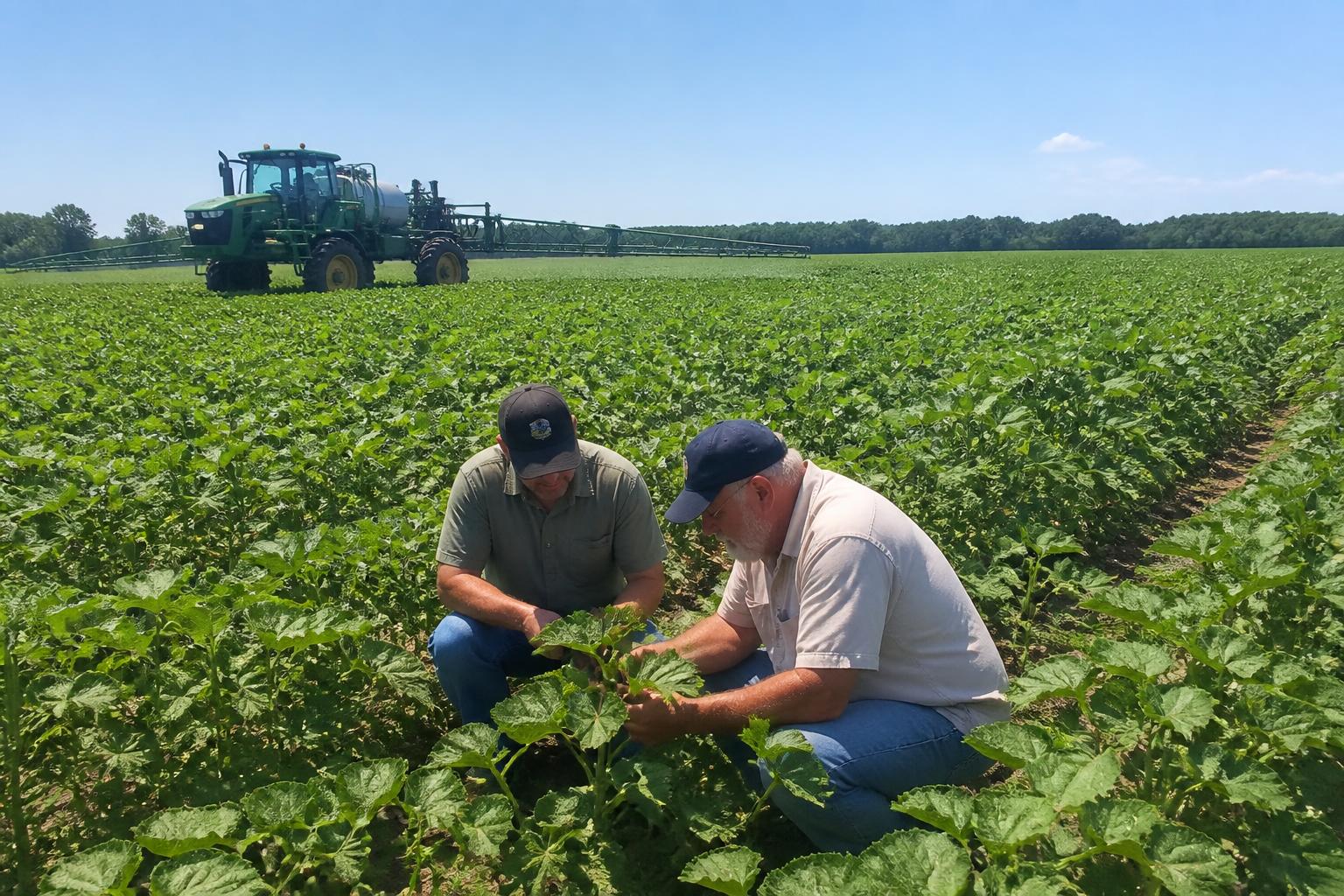
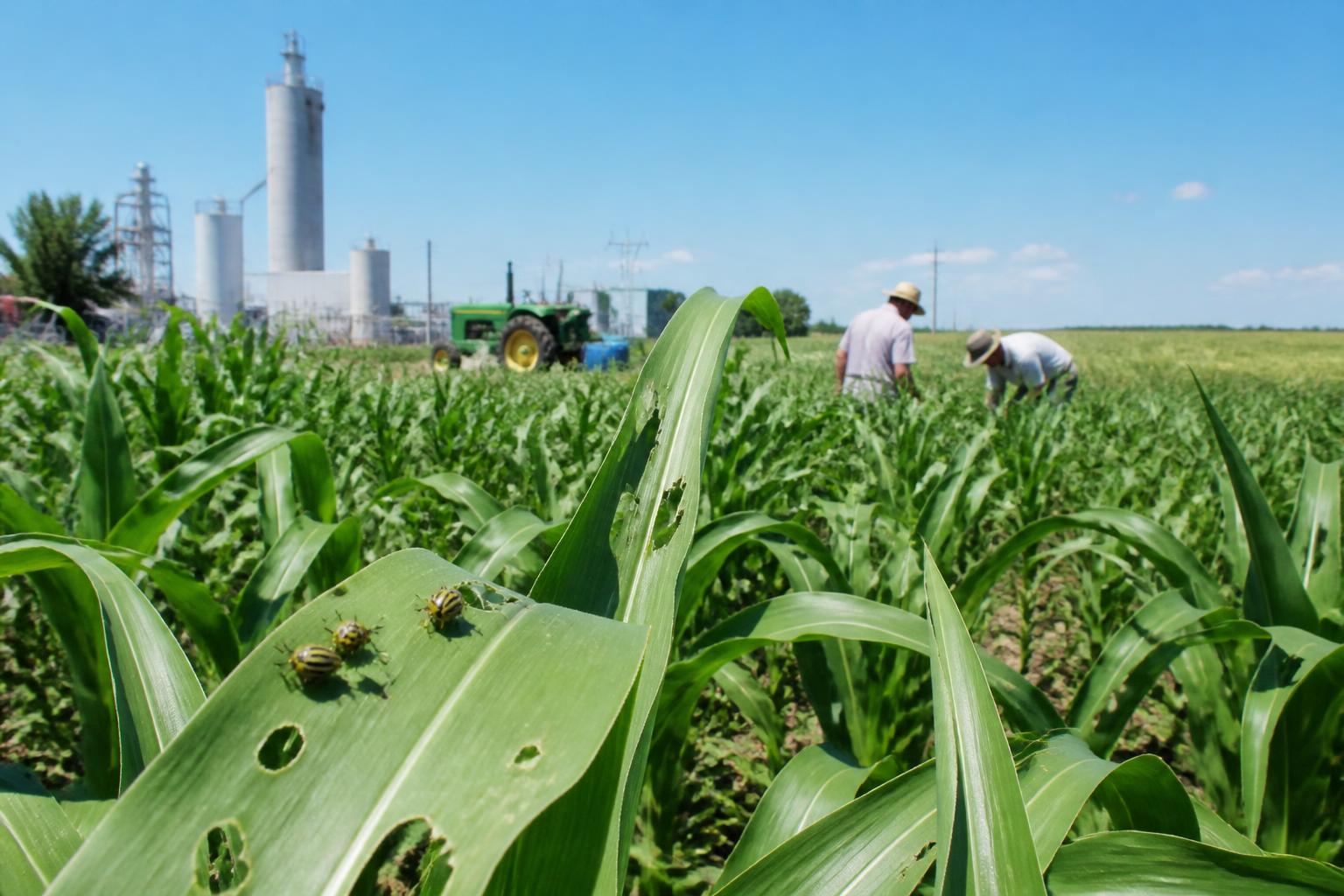
Managing Summer Crop Protection and Labor Pressures in South Dakota
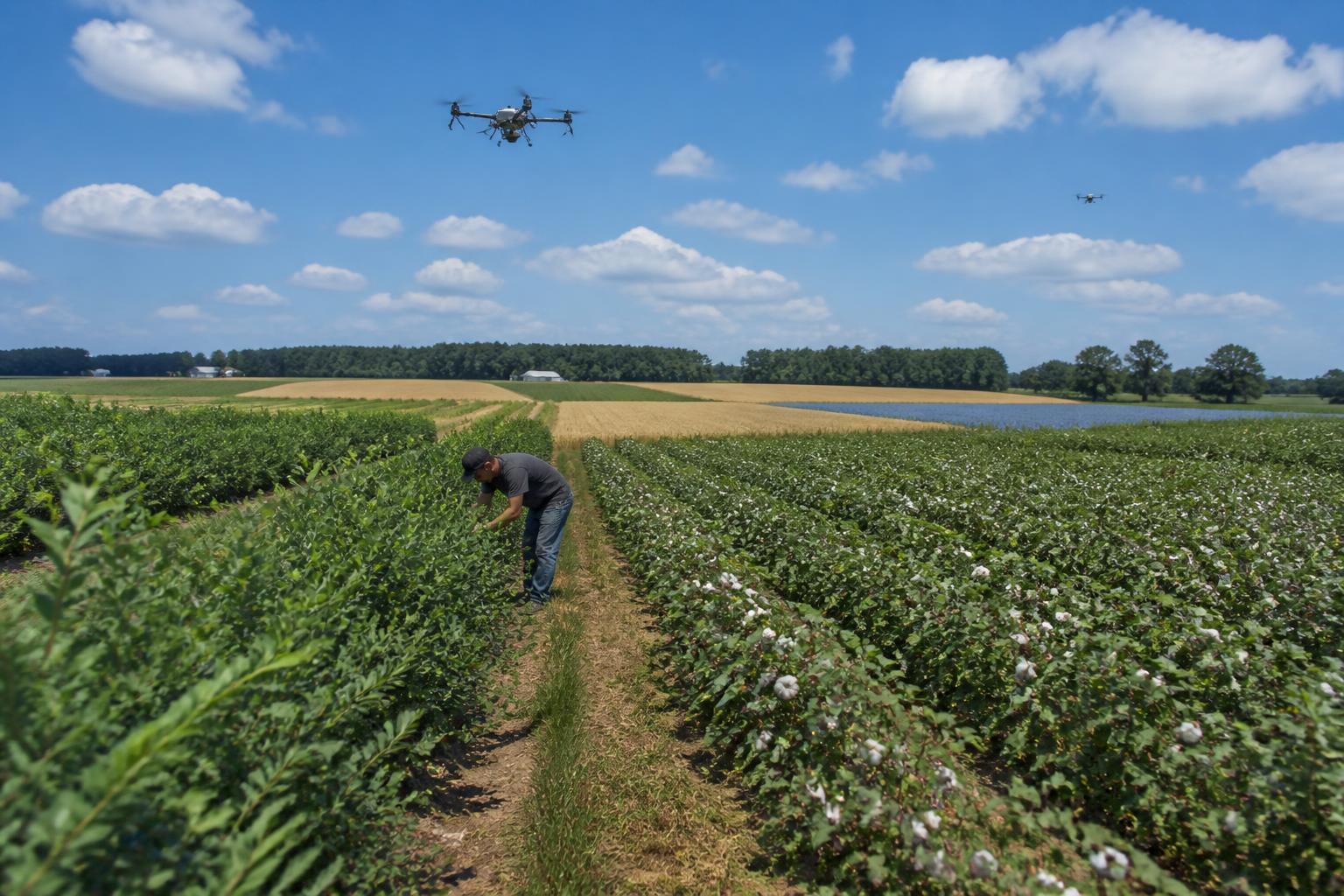
As South Dakota producers face mid-summer heat and pest pressures, labor shortages and evolving crop insurance protocols are complicating field management.
We collect original digests and analytical notes based on facts, market signals and verified sources.
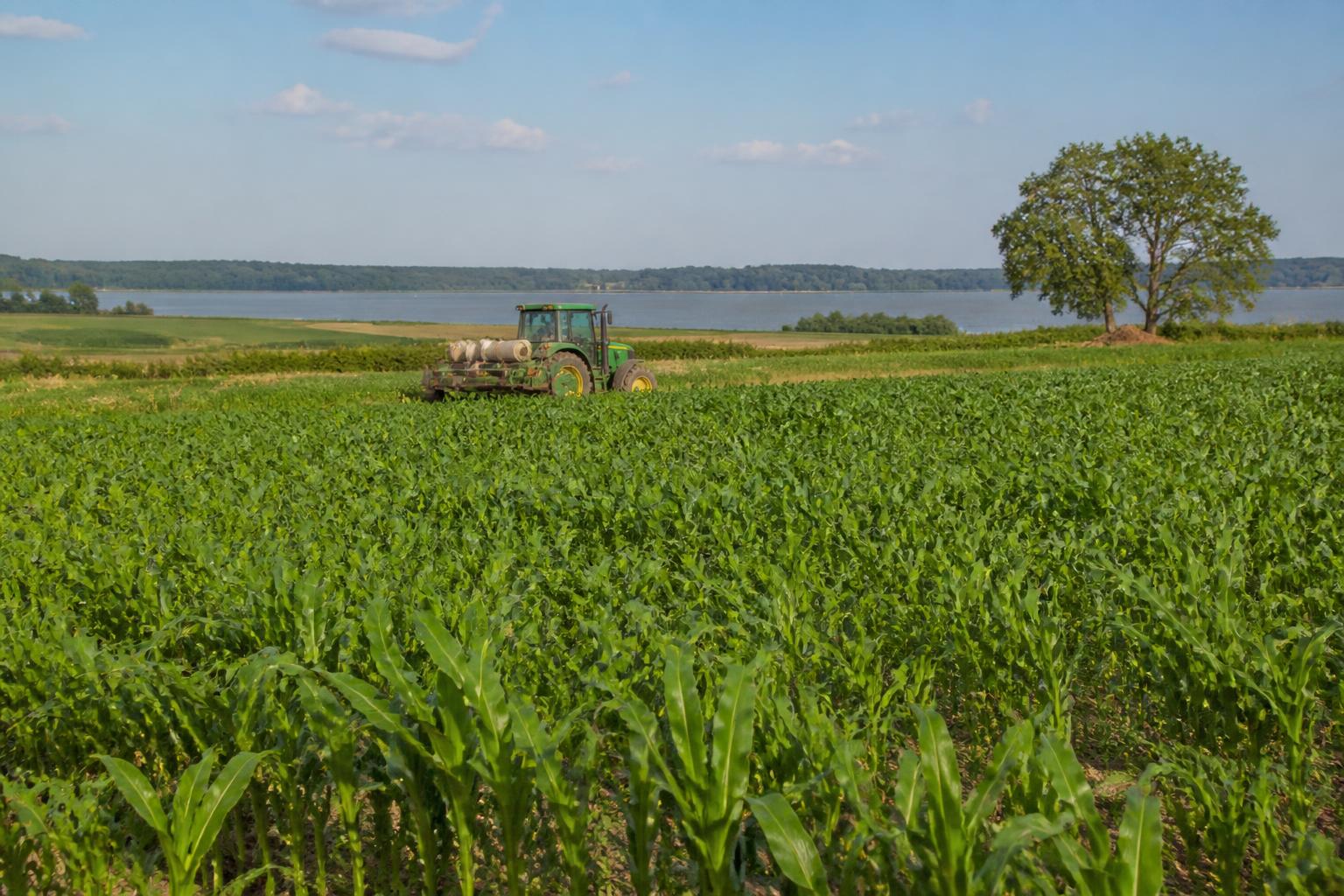
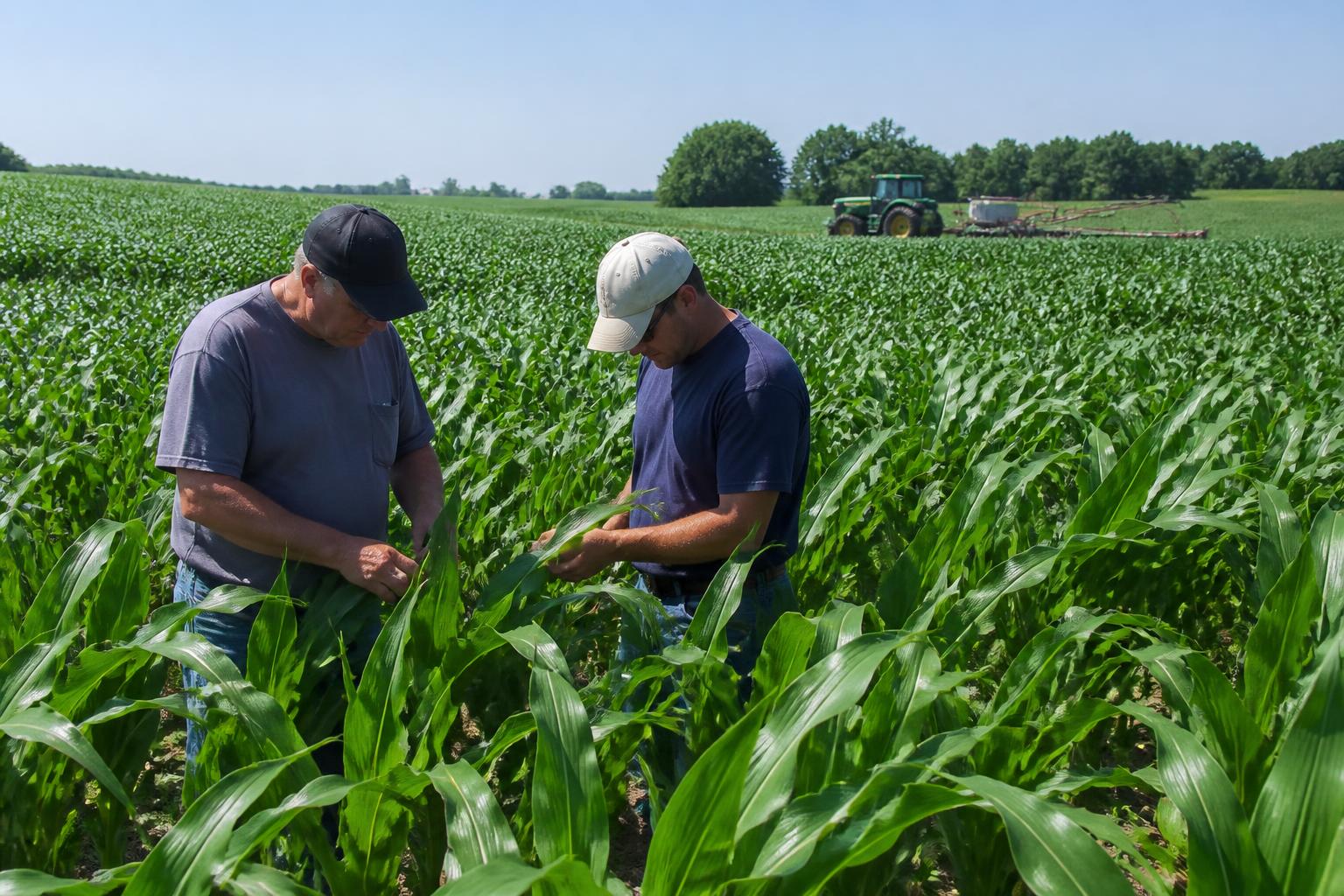
As Minnesota corn harvest accelerates, farmers are navigating shifting infrastructure capacity and rising input costs, particularly for fertilizers.
As South Dakota producers face mid-summer heat and pest pressures, labor shortages and evolving crop insurance protocols are complicating field management.
Georgia corn producers have voted to continue their assessment programs, signaling long-term commitment to industry growth amidst busy mid-summer field activities.
As South Carolina experiences one of its hottest summers on record, farmers face mounting pressure to protect crop viability through advanced management and adaptive strategies.
Central Pennsylvania farmers are seeing new opportunities through innovation grants, even as local transport and infrastructure projects continue to shape seasonal logistics.
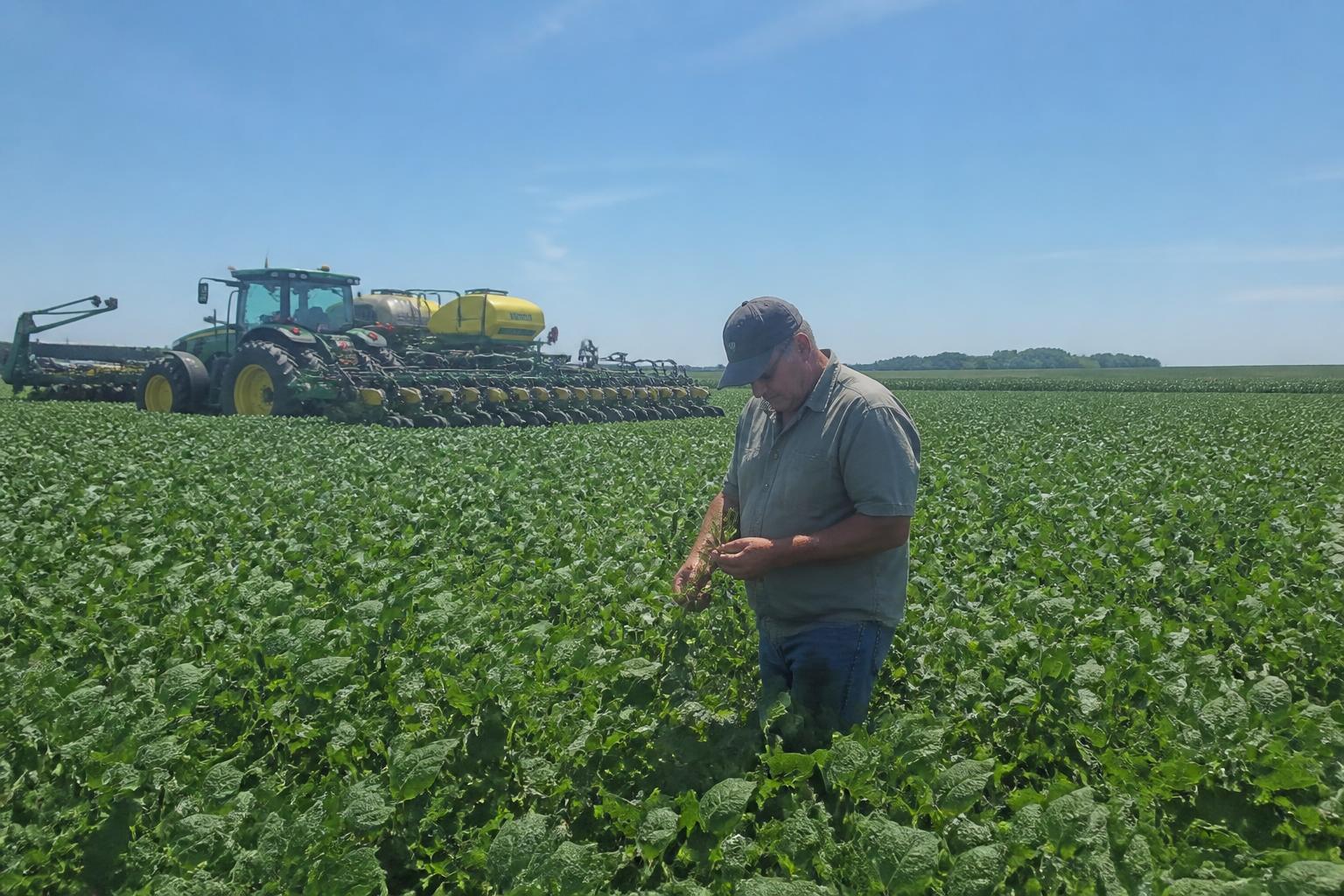
As Illinois moves through the peak of summer, producers and handlers are balancing shifting market variables and long-term infrastructure considerations.
As North Carolina producers navigate mid-summer weather volatility and changing pest management standards, regional infrastructure and research investments continue to reshape the state's agricultural outlook.
As summer operations peak in Maryland, growers are balancing logistical demands, managing soil fertility, and leveraging state programs to optimize farm protection.
Louisiana producers are recalibrating fertilizer procurement strategies as industry infrastructure changes and global supply chain pressures persist through the mid-summer season.
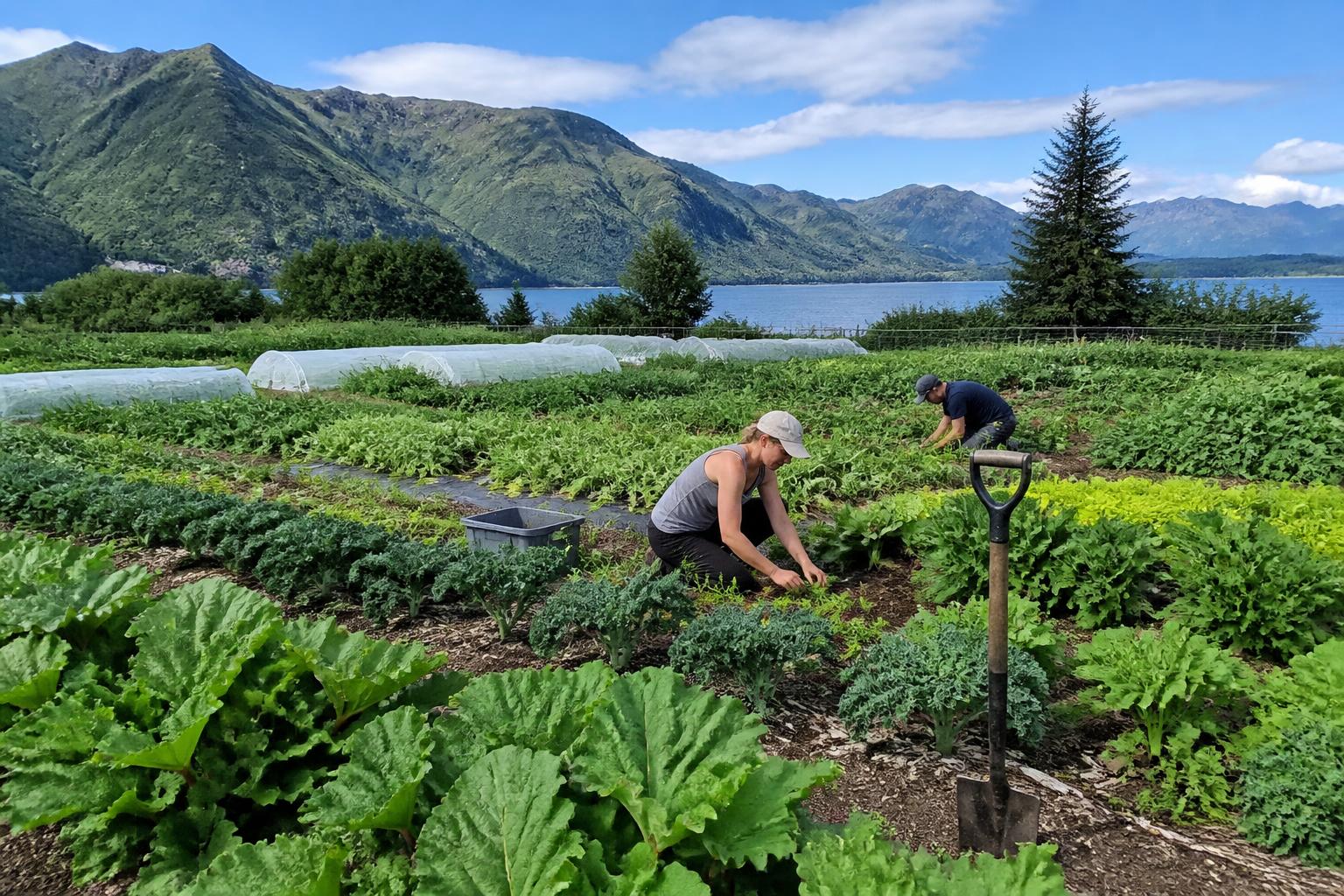
As Alaska's growing season hits its peak, local producers are re-evaluating crop protection and integrated pest management (IPM) to balance environmental stewardship with yield stability.
South Carolina growers are navigating a complex summer season marked by new soil-borne disease risks and shifting crop market demands. This brief highlights key logistical considerations for farmers and carriers as they manage resource movement and potential regional traffic impacts.
As the summer season progresses, North Carolina agribusinesses are navigating complex logistics and supply chain variables to maintain operational efficiency.
As summer operations peak in Nevada, high diesel costs and shifting federal support continue to challenge the logistics and financial planning for local agribusinesses.
Sign in to manage requests, save contacts and respond to market offers quickly.
Continue with Google Continue with MicrosoftSign in to manage requests, save contacts and respond to market offers quickly.
Continue with Google Continue with MicrosoftEnter your email and we will send a password reset link.
Don't have an account?
We value your privacy
We use cookies to run the site and, with your consent, to measure traffic (Google Analytics) and personalize ads. You can accept, reject, or choose. Privacy Policy