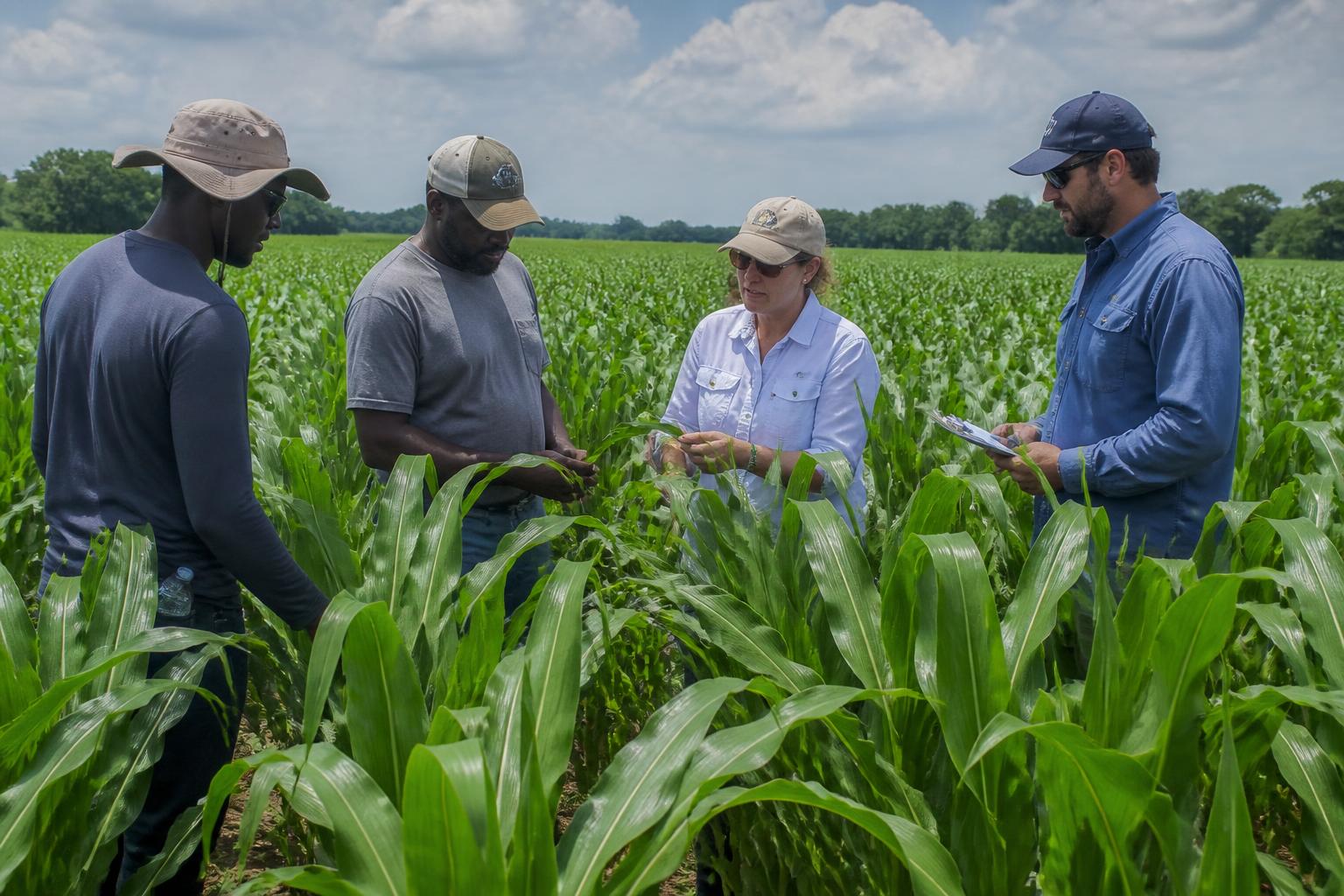
Managing Summer Crop Health and Economic Resilience in Mississippi
As Mississippi agriculture navigates the peak of summer, producers are balancing ongoing crop protection needs with a focus on long-term financial stability.
We collect original digests and analytical notes based on facts, market signals and verified sources.
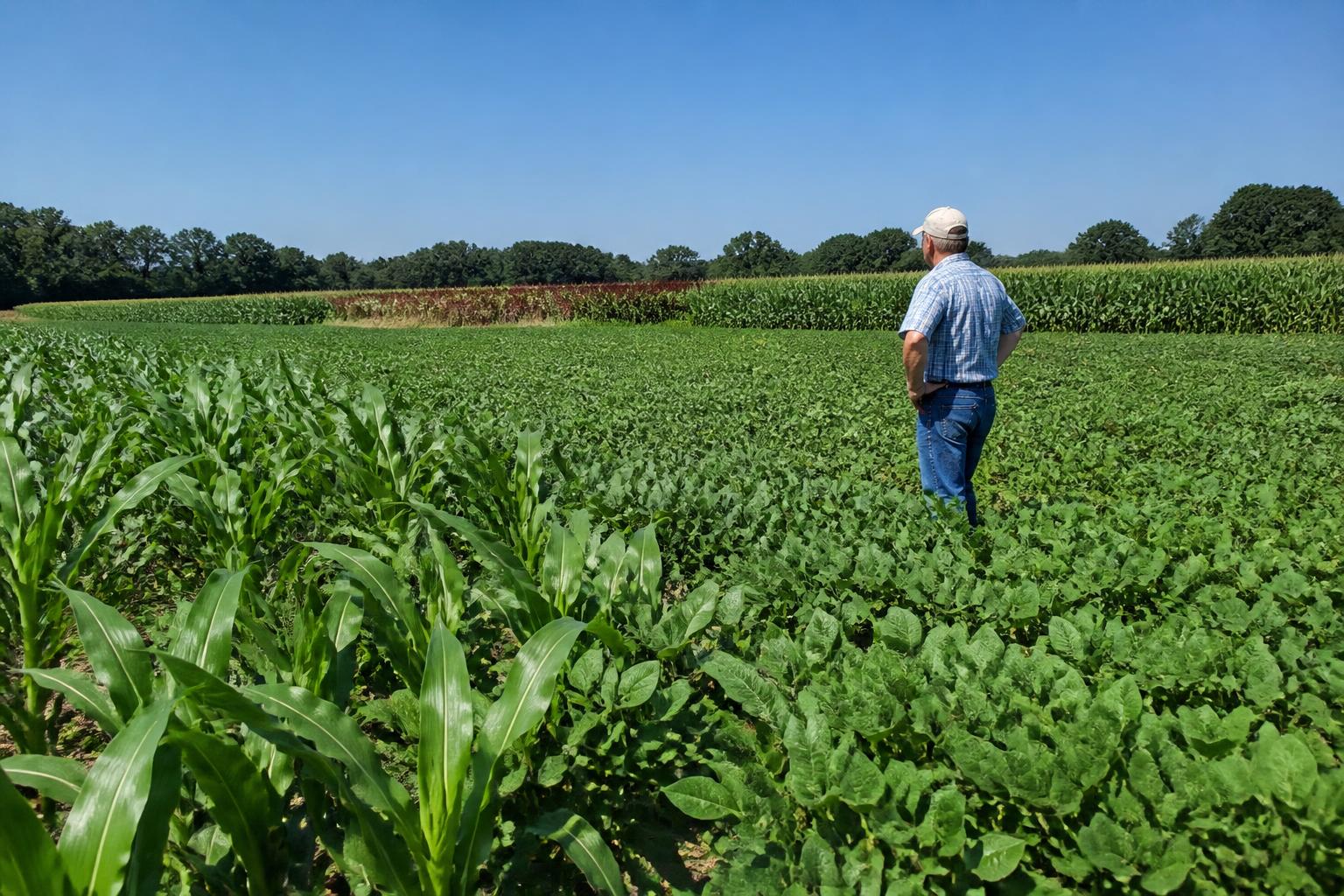
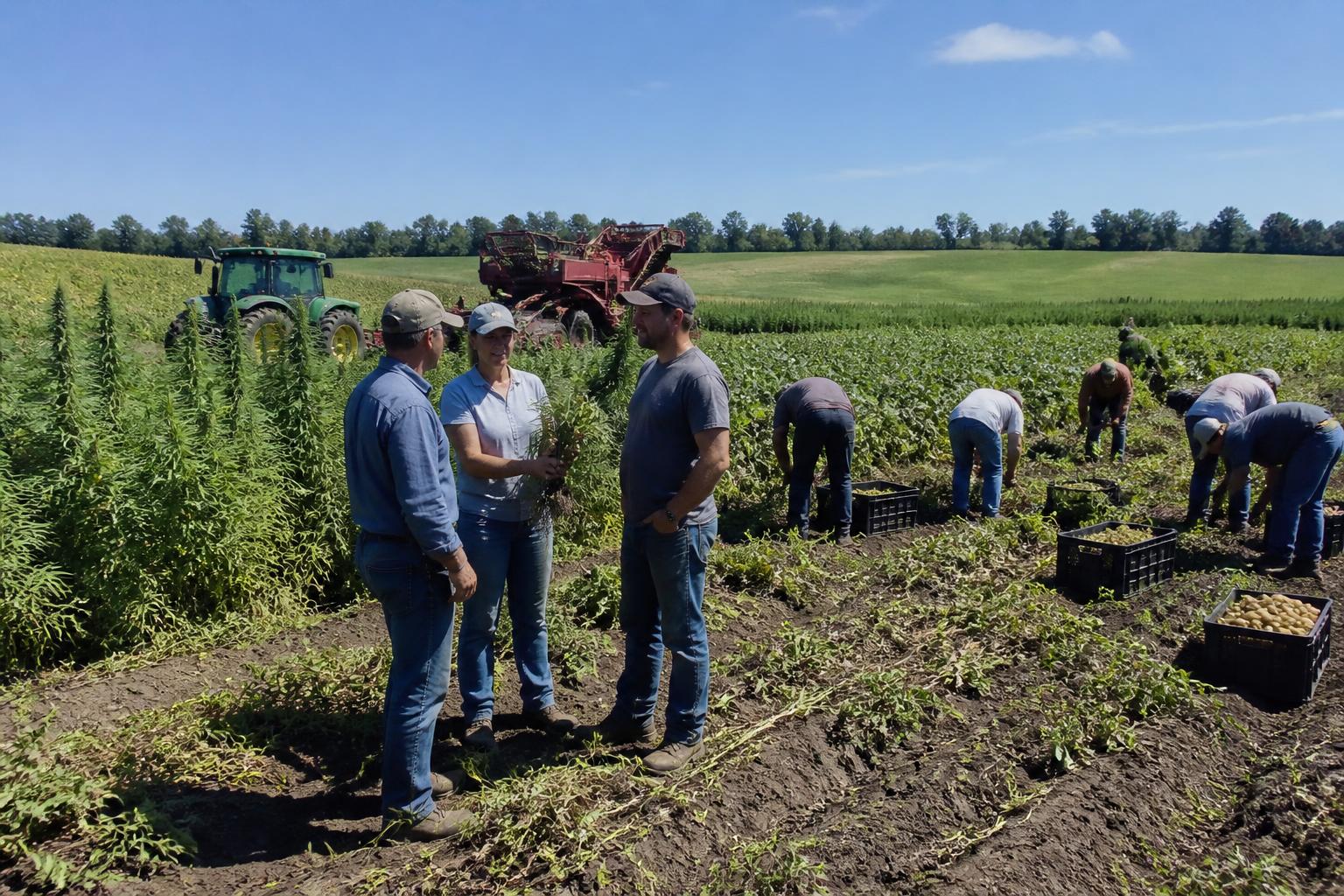
As harvest season accelerates across Maine, producers are balancing record-breaking yield trends with the critical need for careful input management and soil health protection.
As Mississippi agriculture navigates the peak of summer, producers are balancing ongoing crop protection needs with a focus on long-term financial stability.
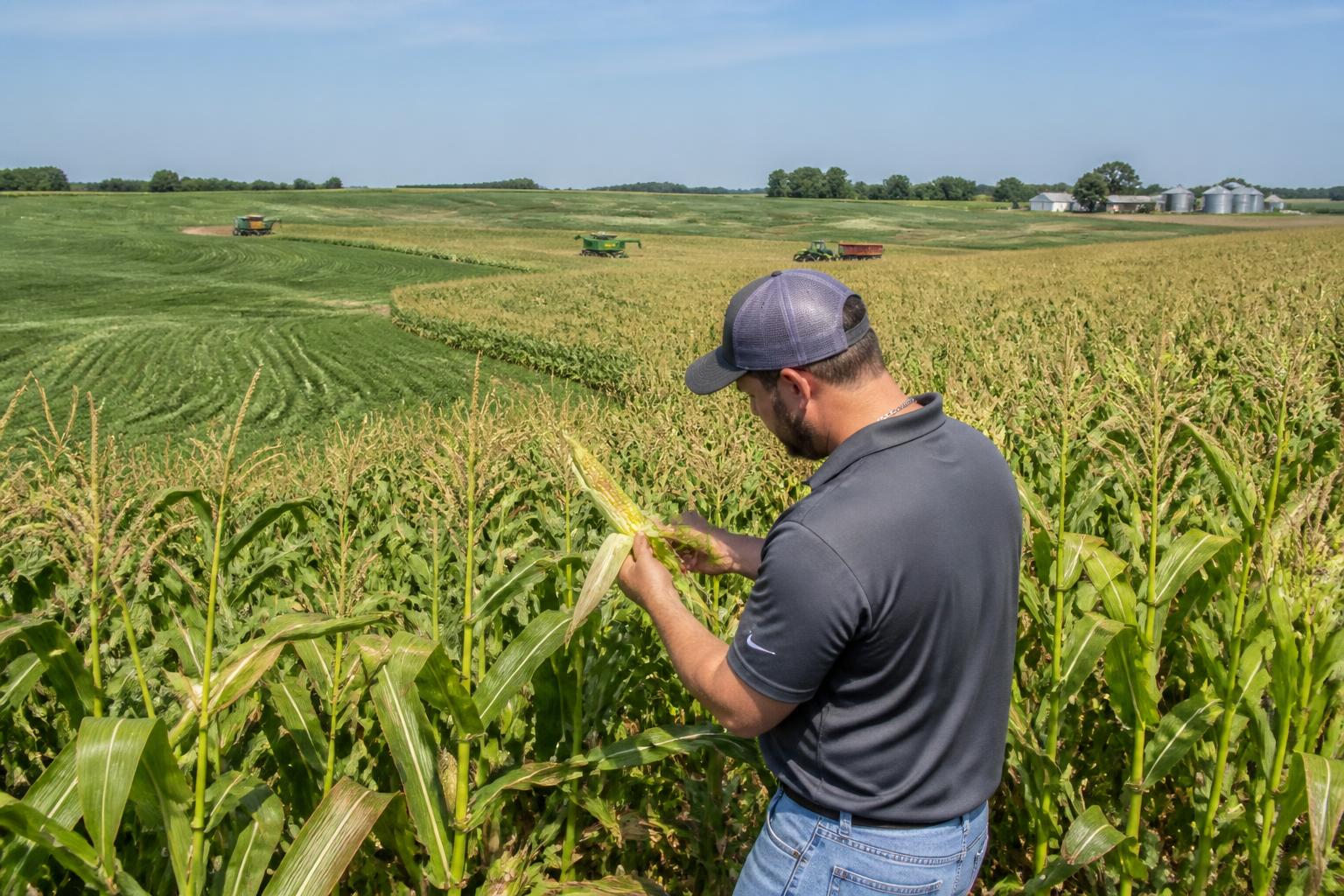
As Minnesota crops progress through critical late-summer stages, growers are urged to monitor corn rootworm activity and optimize input efficacy to protect yield potential.
As South Carolina enters the peak of summer, grain producers face critical decisions regarding seed procurement and risk mitigation strategies to ensure long-term profitability.
As Colorado producers move through the peak of summer, shifting geopolitical dynamics and evolving input costs remain at the forefront of operational planning.
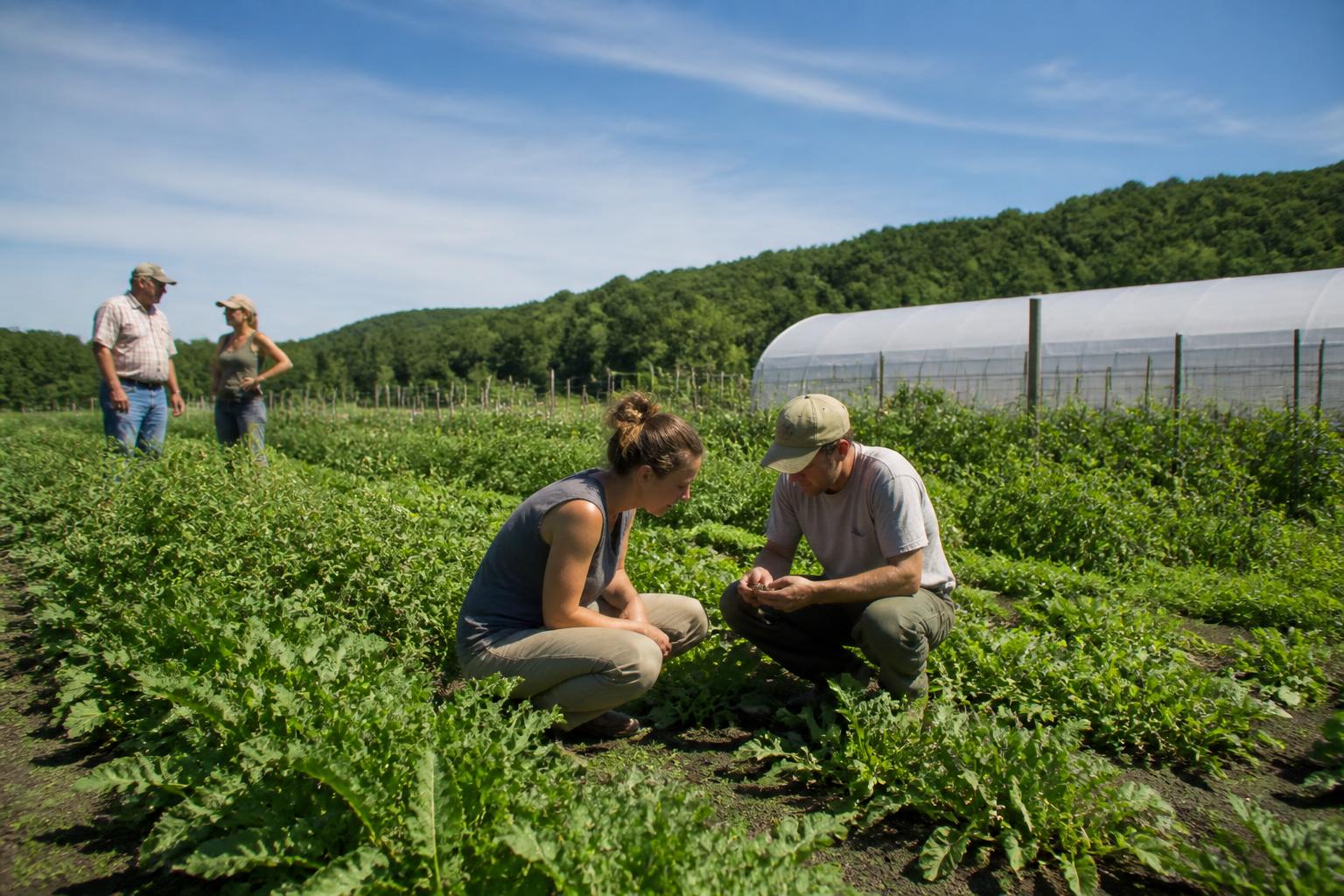
As Vermont producers navigate evolving seed standards, the industry evaluates the economic and operational feasibility of transitioning away from pesticide-treated seed supplies.
As Tennessee growers look toward the upcoming wheat season, experts caution against premature planting, emphasizing the importance of managing local pest risks and soil health.
The Michigan Department of Agriculture and Rural Development has updated bulk storage regulations for commercial fertilizers, prompting a review of local operational compliance.
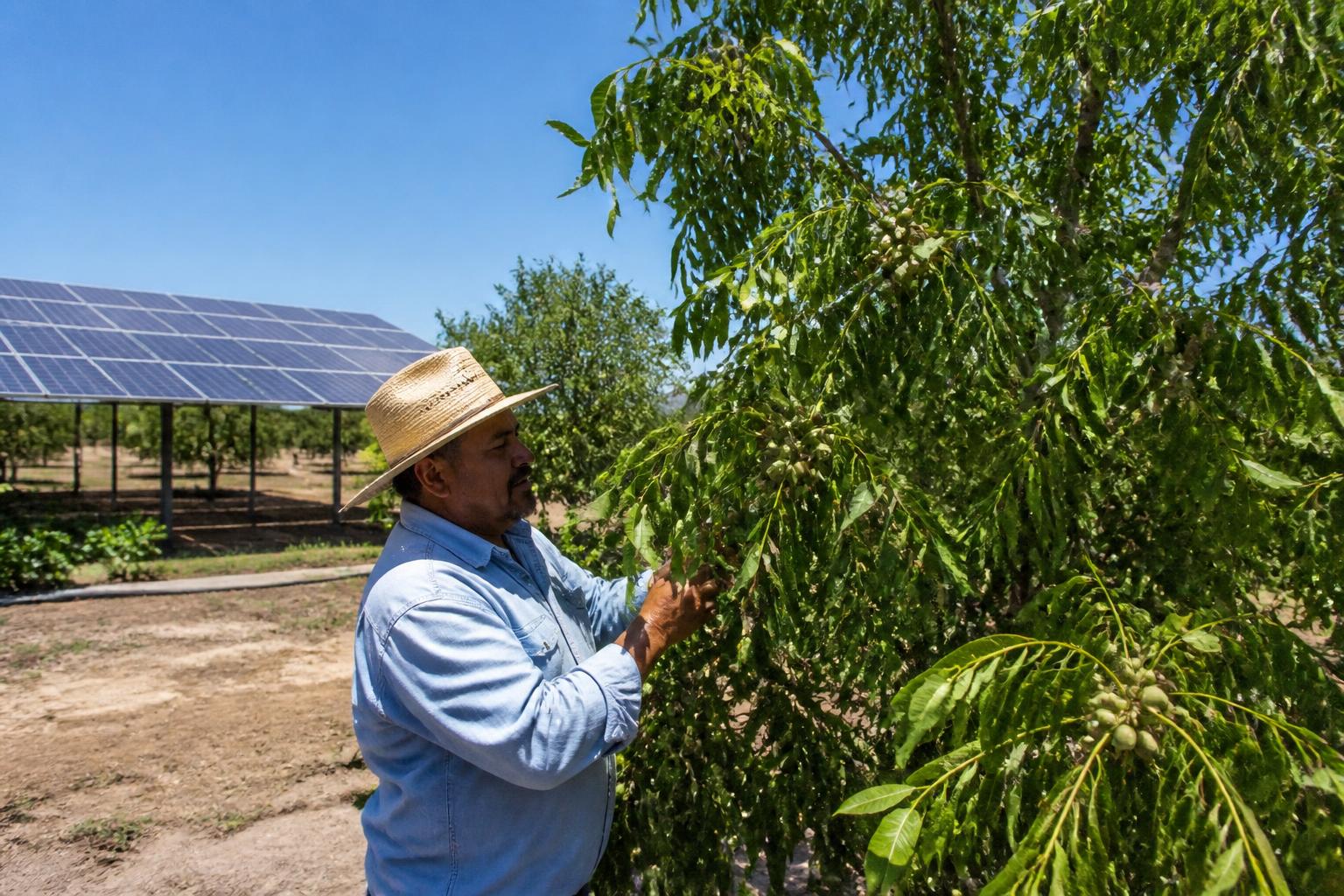
As summer heat peaks, Arizona producers continue to prioritize adaptive water management and soil health to protect long-term crop viability.
As summer operations peak in Oklahoma, producers are looking toward enhanced biological and chemical management tools to mitigate crop stress and optimize long-term yields.
Mid-summer scouting across Kansas is critical as reports of southern rust, tar spot, and leafhopper activity increase, threatening potential yield outcomes.
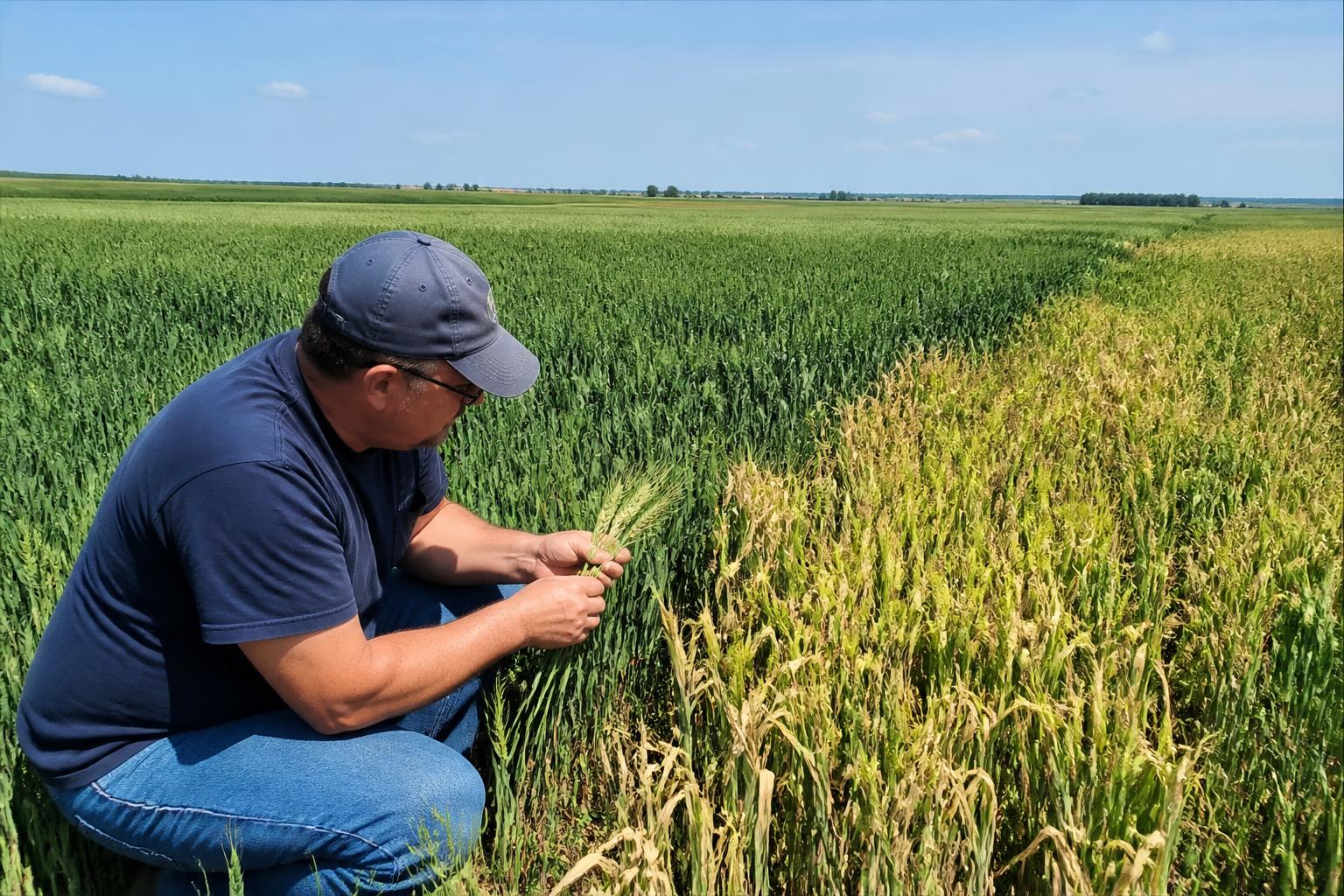
Mid-Michigan wheat growers face renewed pressure from stripe rust, while regional supply chain investments signal long-term shifts in state agricultural infrastructure.
As summer temperatures persist in Nebraska, growers are intensifying field monitoring efforts to combat early-appearing pest threats like the soybean gall midge and other fungal diseases.
Sign in to manage requests, save contacts and respond to market offers quickly.
Continue with Google Continue with MicrosoftSign in to manage requests, save contacts and respond to market offers quickly.
Continue with Google Continue with MicrosoftEnter your email and we will send a password reset link.
Don't have an account?
We value your privacy
We use cookies to run the site and, with your consent, to measure traffic (Google Analytics) and personalize ads. You can accept, reject, or choose. Privacy Policy