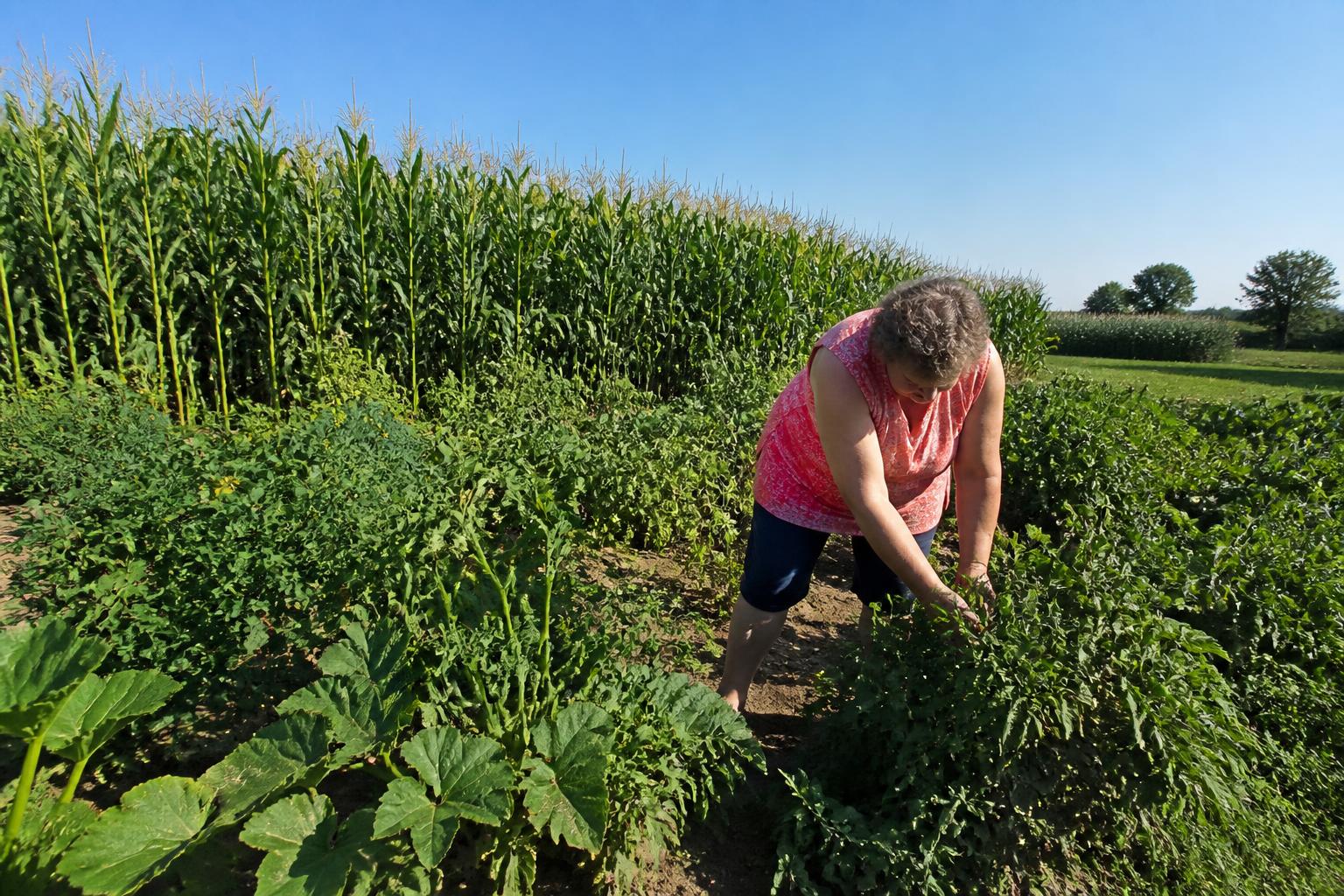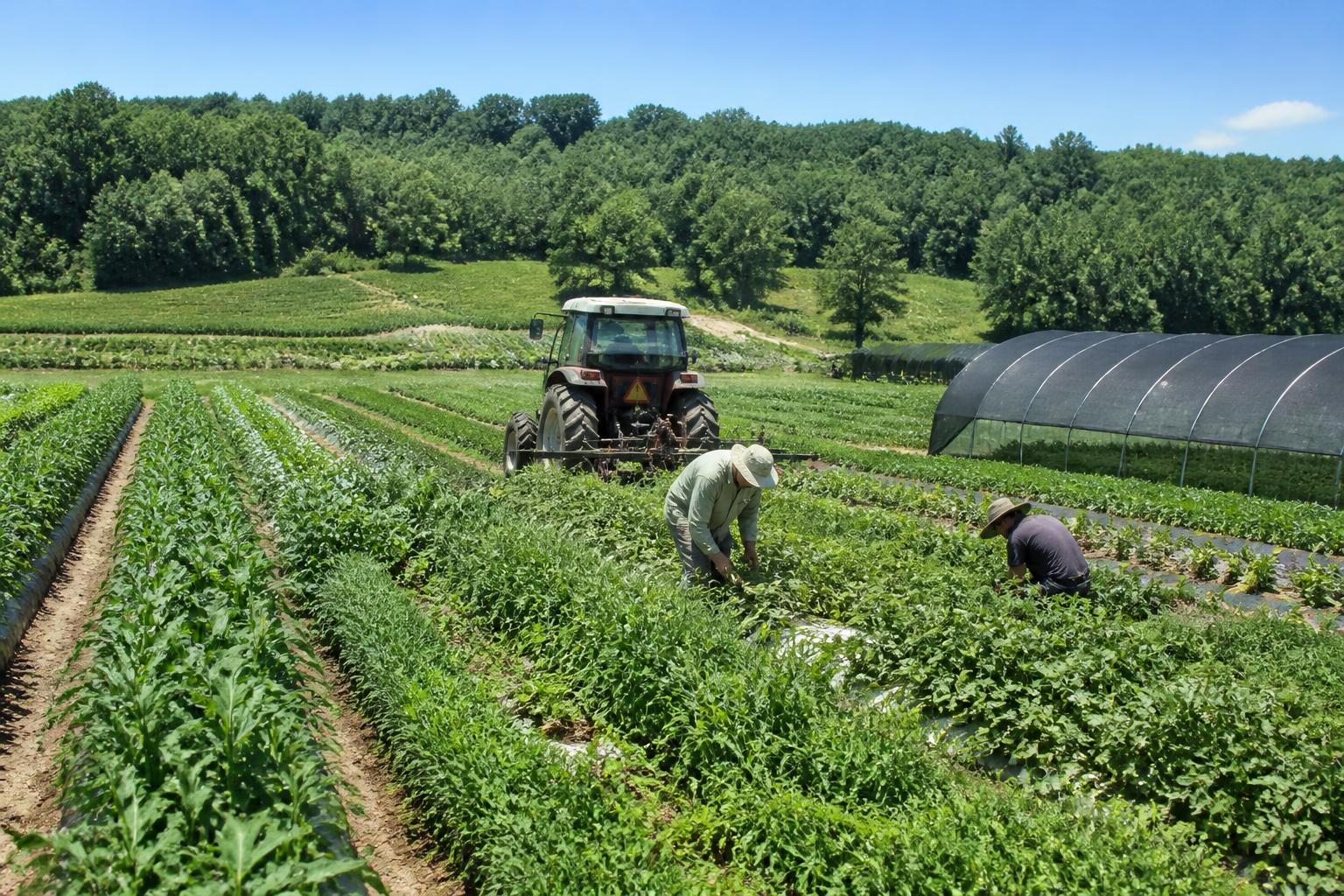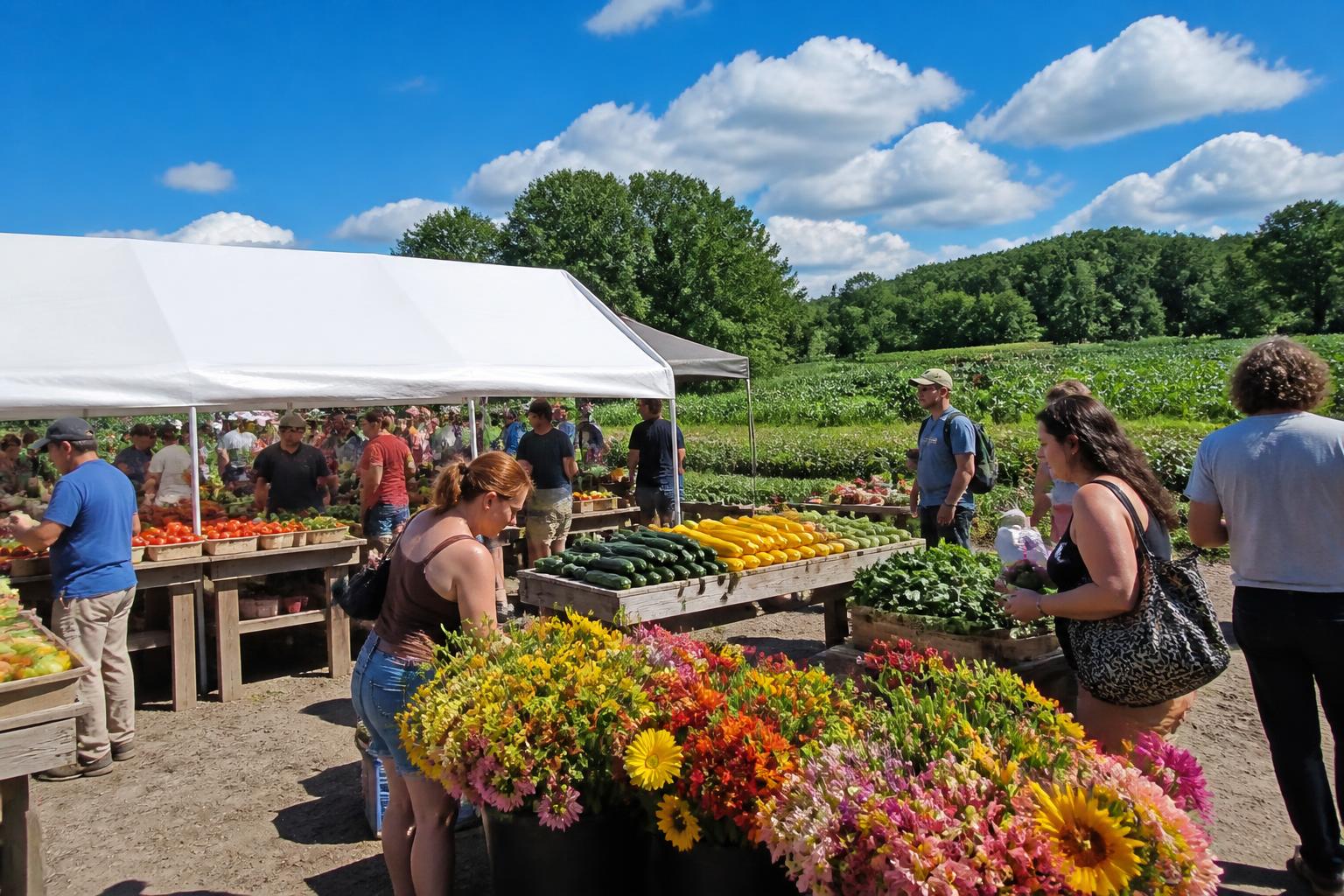
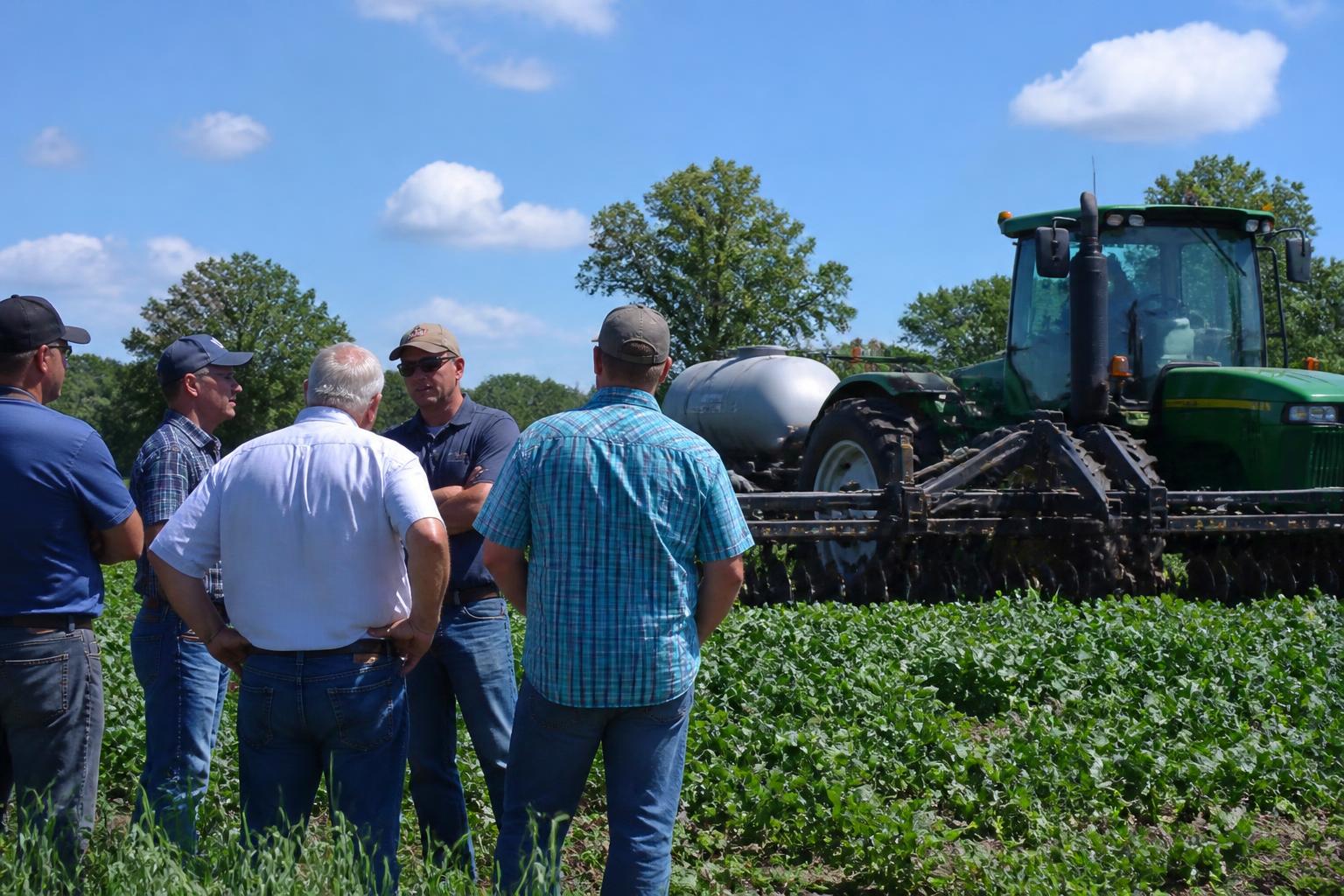
New York Agricultural Logistics: Managing Summer Transport Efficiencies
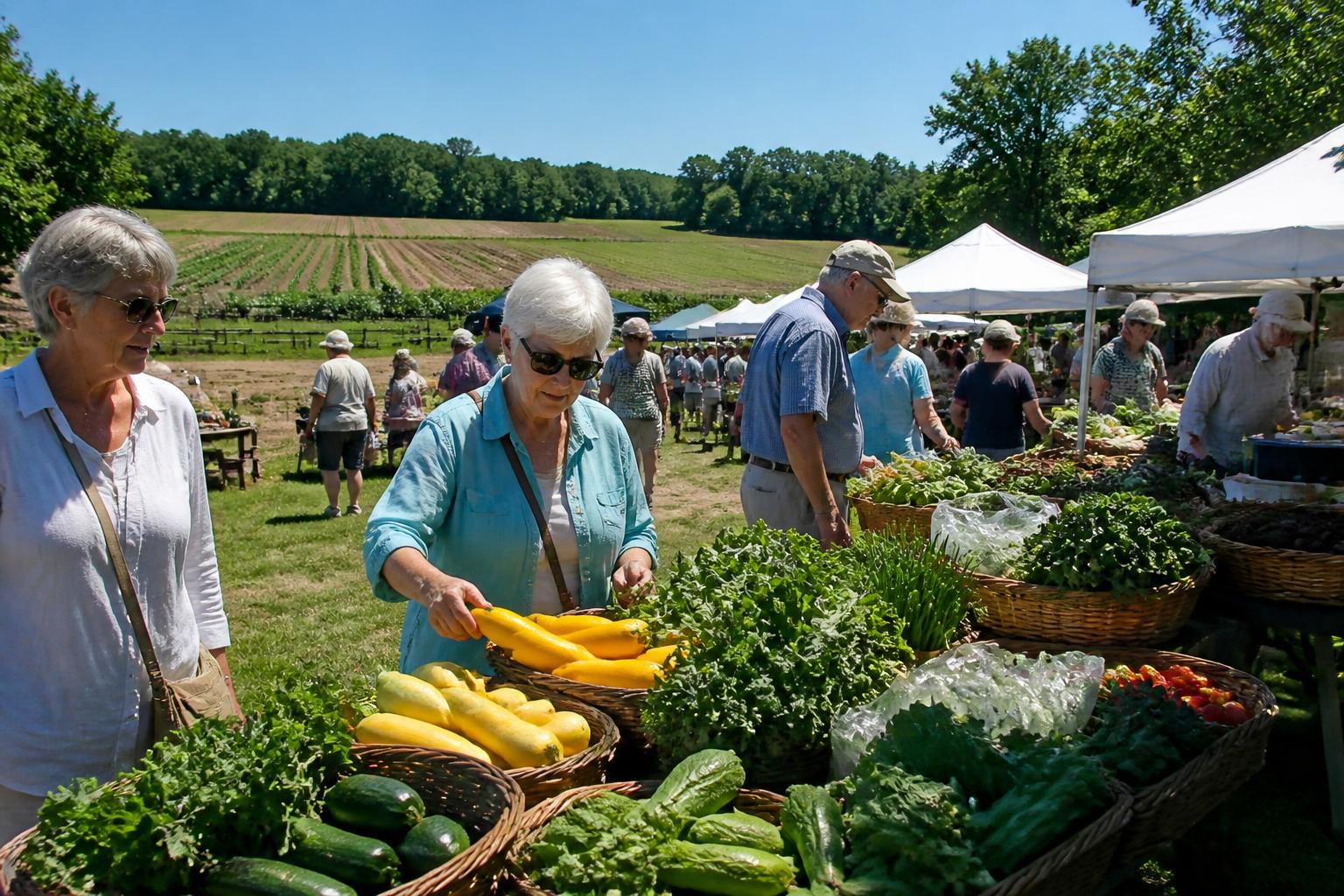
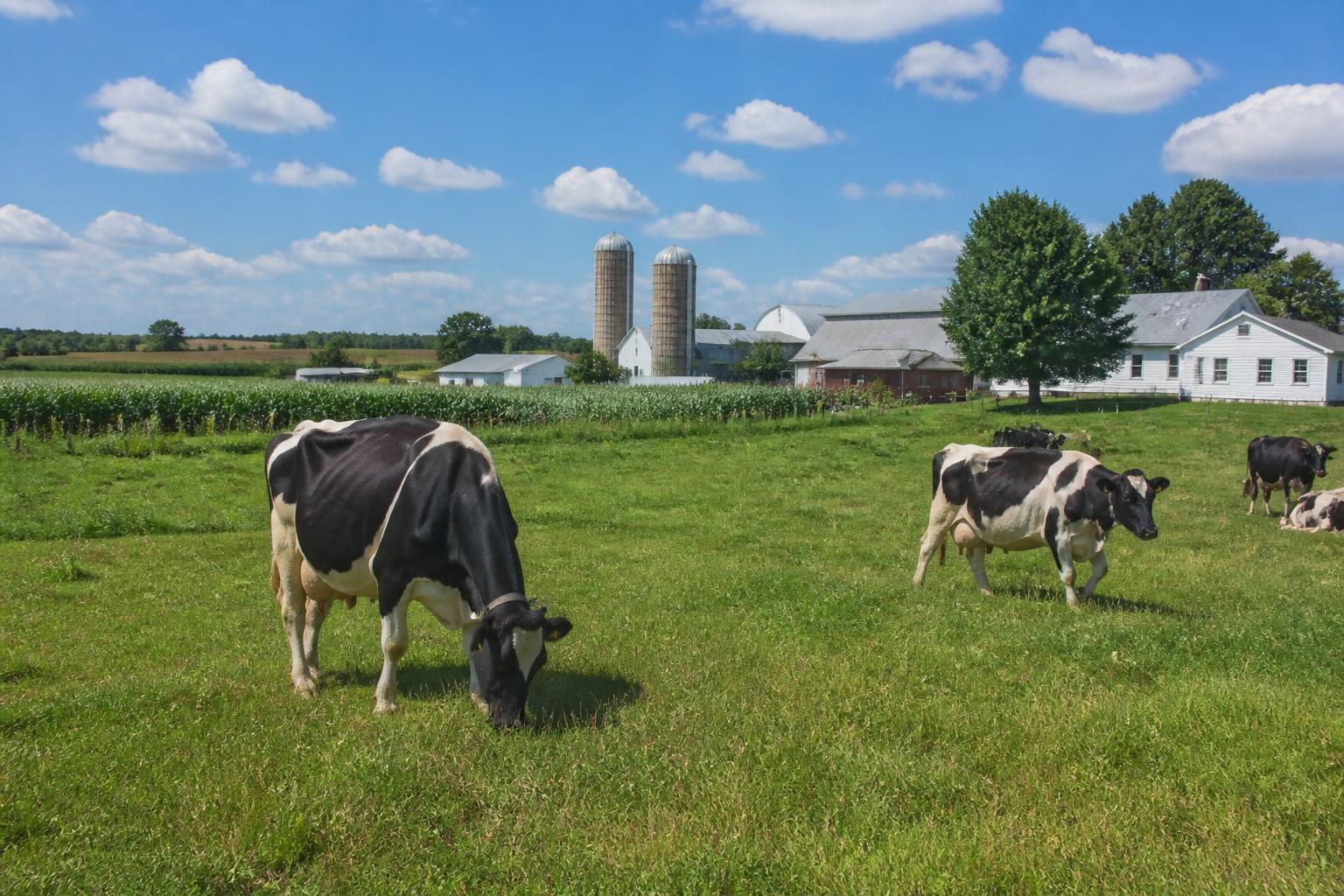
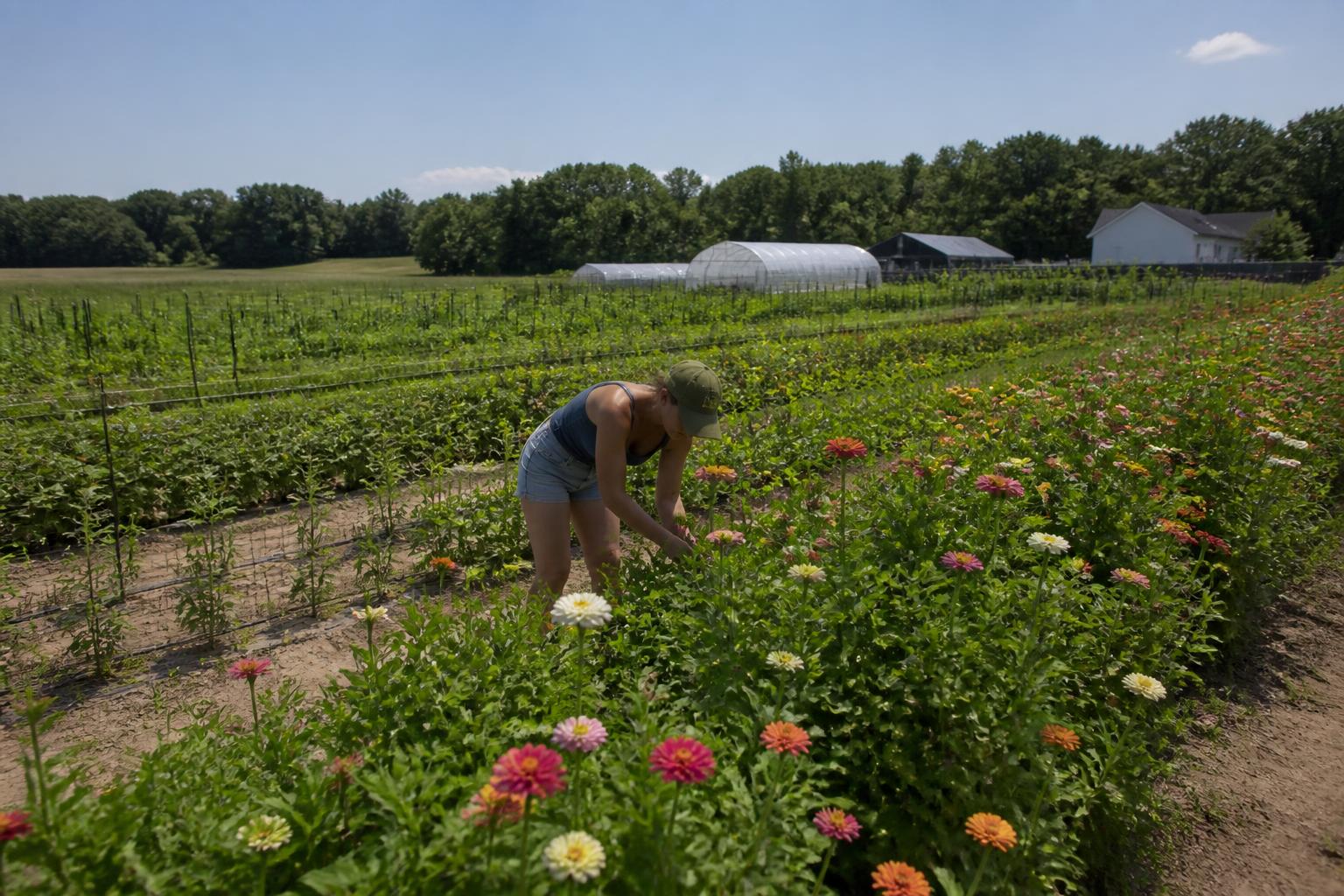
As New York farmers navigate the peak of summer, optimizing supply chain movements and managing local input distribution remain critical for operational stability.
We collect original digests and analytical notes based on facts, market signals and verified sources.
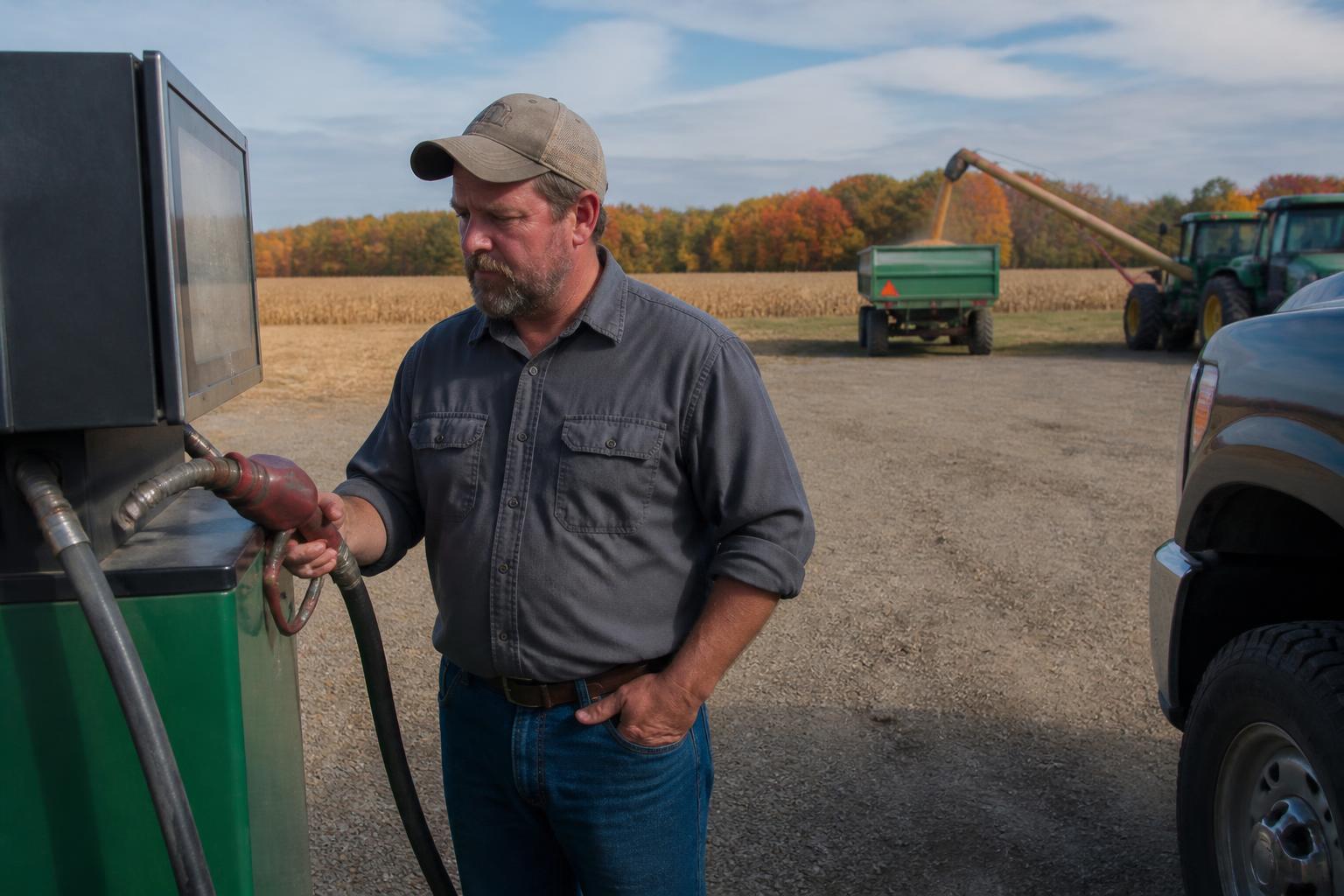
As fall harvest activities accelerate across South Carolina, producers are closely monitoring diesel price trends and optimizing transport routes to maintain profitability.
As New York farmers navigate the peak of summer, optimizing supply chain movements and managing local input distribution remain critical for operational stability.
As Rhode Island enters the peak of harvest season, agricultural producers face shifting logistical landscapes and evolving market demands that require proactive planning.
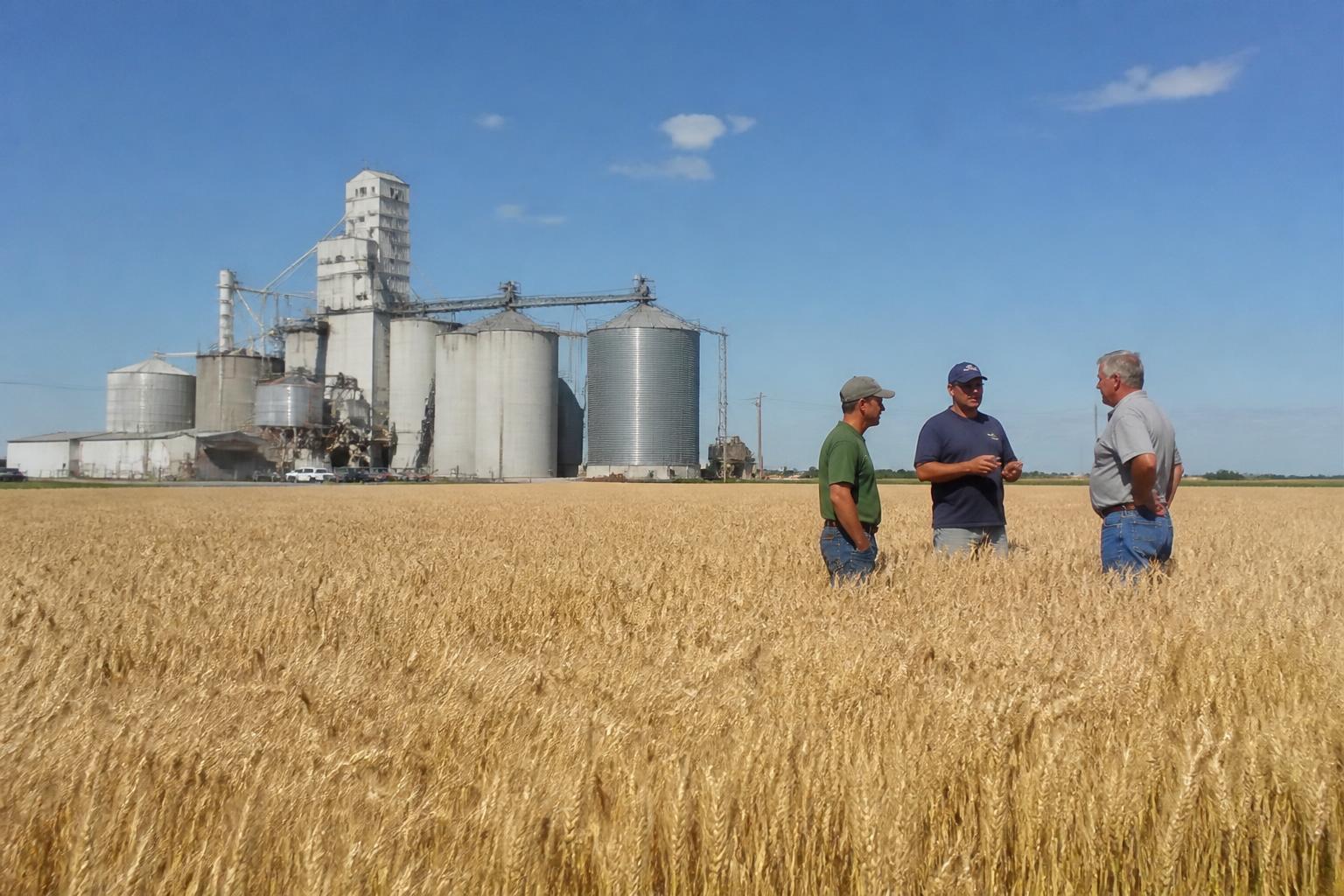
As Colorado producers move through the peak of the summer cycle, focusing on operational efficiency and managing input costs remains vital for long-term grain profitability.
As August brings peak summer operational demands, Wisconsin farmers and agribusinesses face localized logistical hurdles that require careful planning for grain and supply movement.
As summer operations peak across Indiana, farmers and agribusinesses are navigating regulatory landscapes, infrastructure management, and evolving grain trade standards.
Recent shifts in the contract logistics landscape across Iowa suggest expanded capacity for food-grade packaging and regional transport as the harvest season approaches.
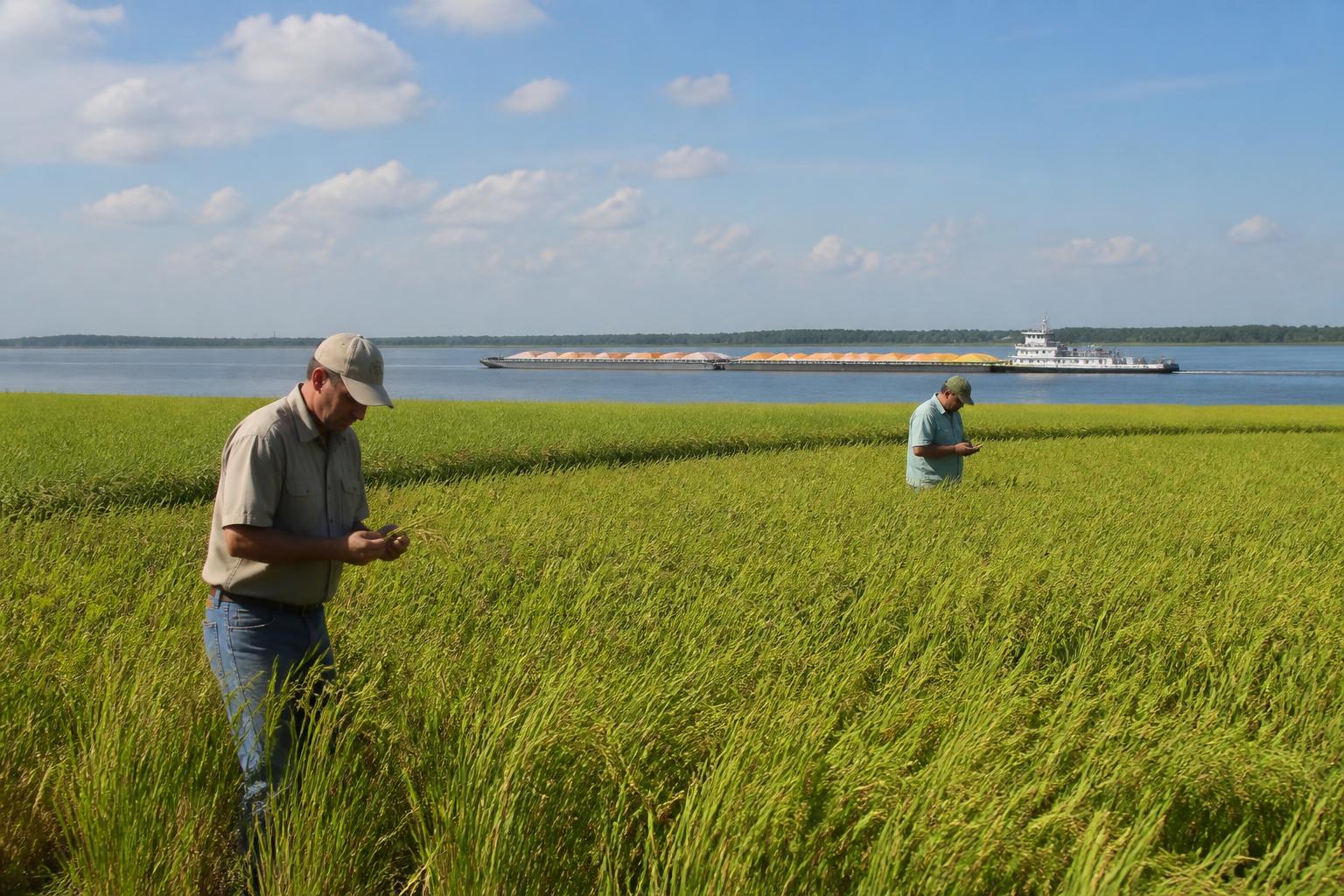
Mississippi grain shippers are balancing a complex logistics landscape as river levels oscillate, impacting barge transport efficiency during the busy season.
As Tennessee producers head into the late summer, shifting global market dynamics and rising pest concerns are shaping regional operational strategies.
As late-summer harvests ramp up across New Hampshire, producers and logistics partners are focusing on operational efficiency to navigate seasonal transit challenges.
As Michigan producers navigate the mid-summer stretch, recent shifts in local supply chains and infrastructure investments are creating new considerations for efficient grain and input movement.
Tennessee producers see early results in soybean development as state agricultural agencies refine land use policies and support for modern farming initiatives.
Wyoming agricultural producers are navigating a complex landscape defined by shifting utility costs and the persistent need for reliable infrastructure to support harvest and distribution.
Sign in to manage requests, save contacts and respond to market offers quickly.
Continue with Google Continue with MicrosoftSign in to manage requests, save contacts and respond to market offers quickly.
Continue with Google Continue with MicrosoftEnter your email and we will send a password reset link.
Don't have an account?
We value your privacy
We use cookies to run the site and, with your consent, to measure traffic (Google Analytics) and personalize ads. You can accept, reject, or choose. Privacy Policy