Georgia Agricultural Markets: Assessing Fall Input Logistics and Production Outlook
As Georgia producers enter the fall season, market attention shifts toward managing production inputs and navigating evolving logistics for regional commodities.
We collect original digests and analytical notes based on facts, market signals and verified sources.
As the Indiana harvest season gains momentum, logistics providers and grain handlers are balancing regional infrastructure growth with ongoing market volatility.
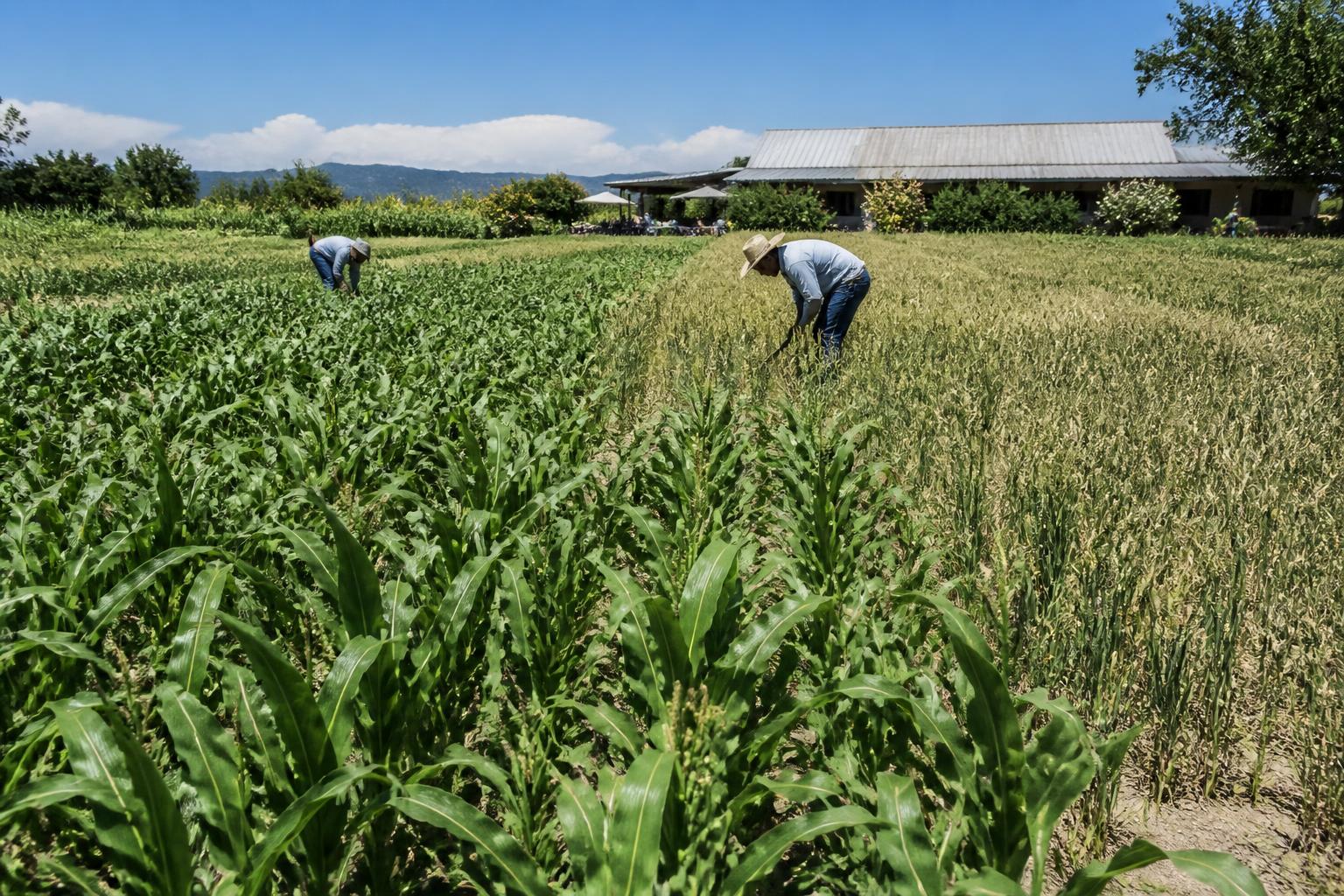
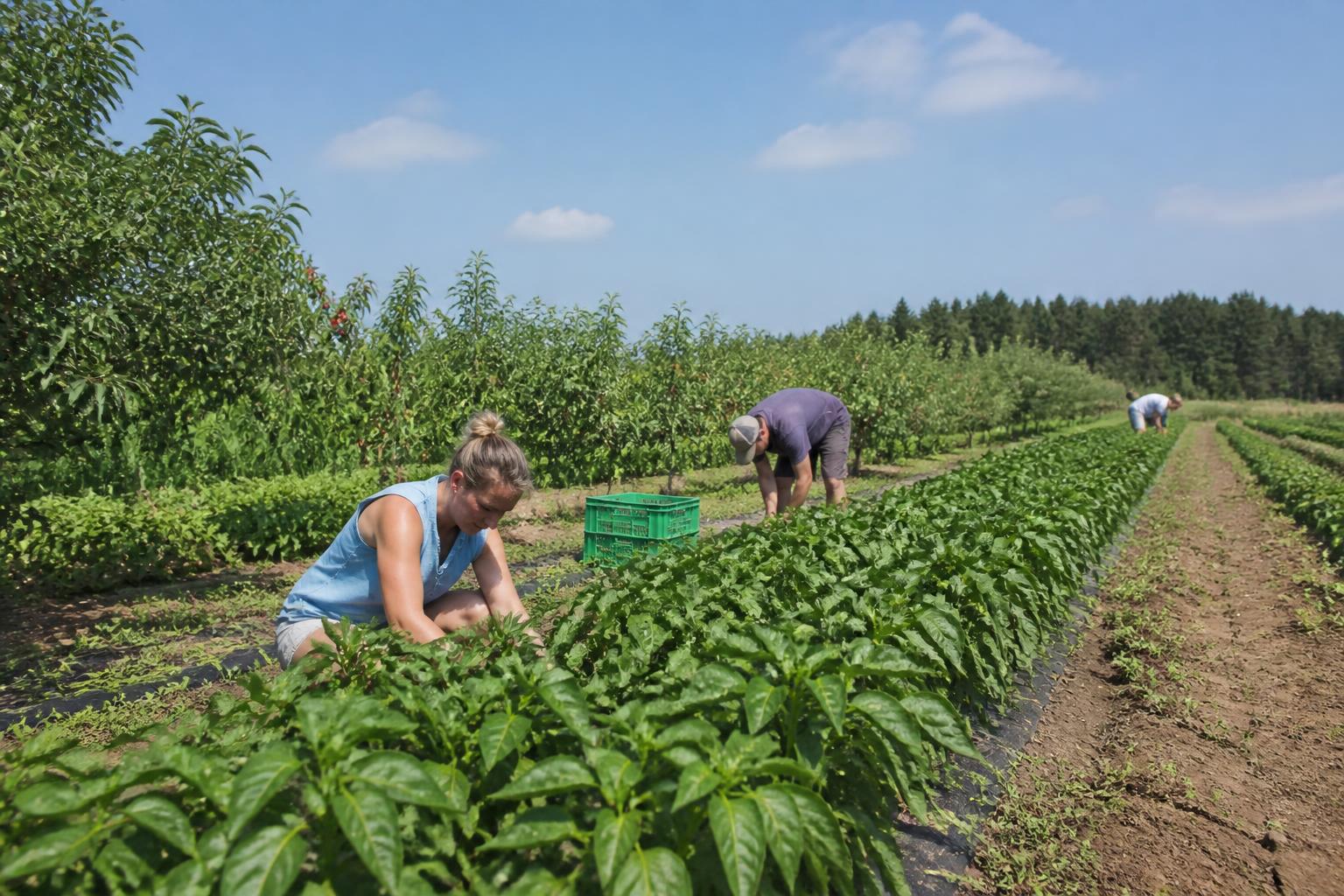
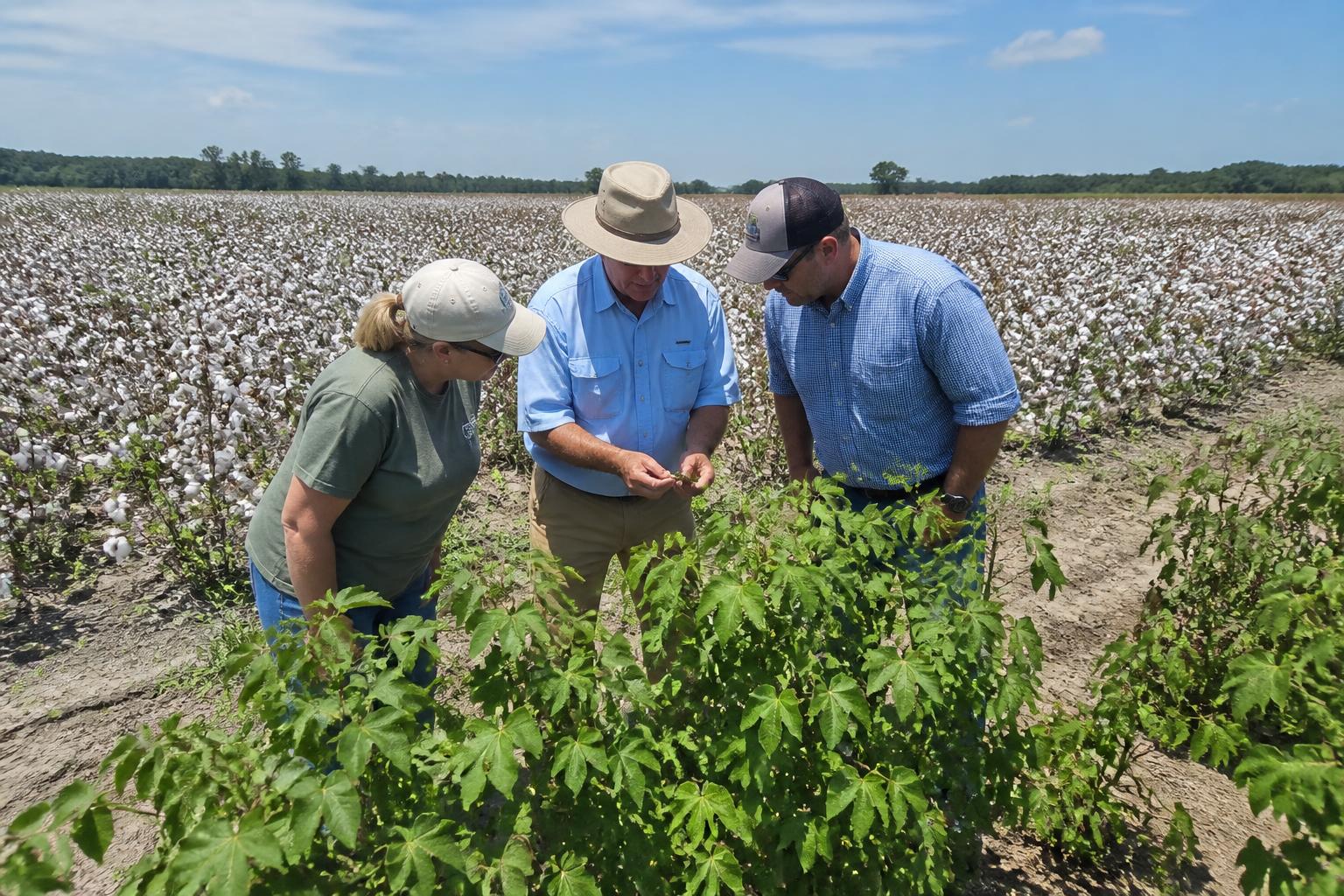
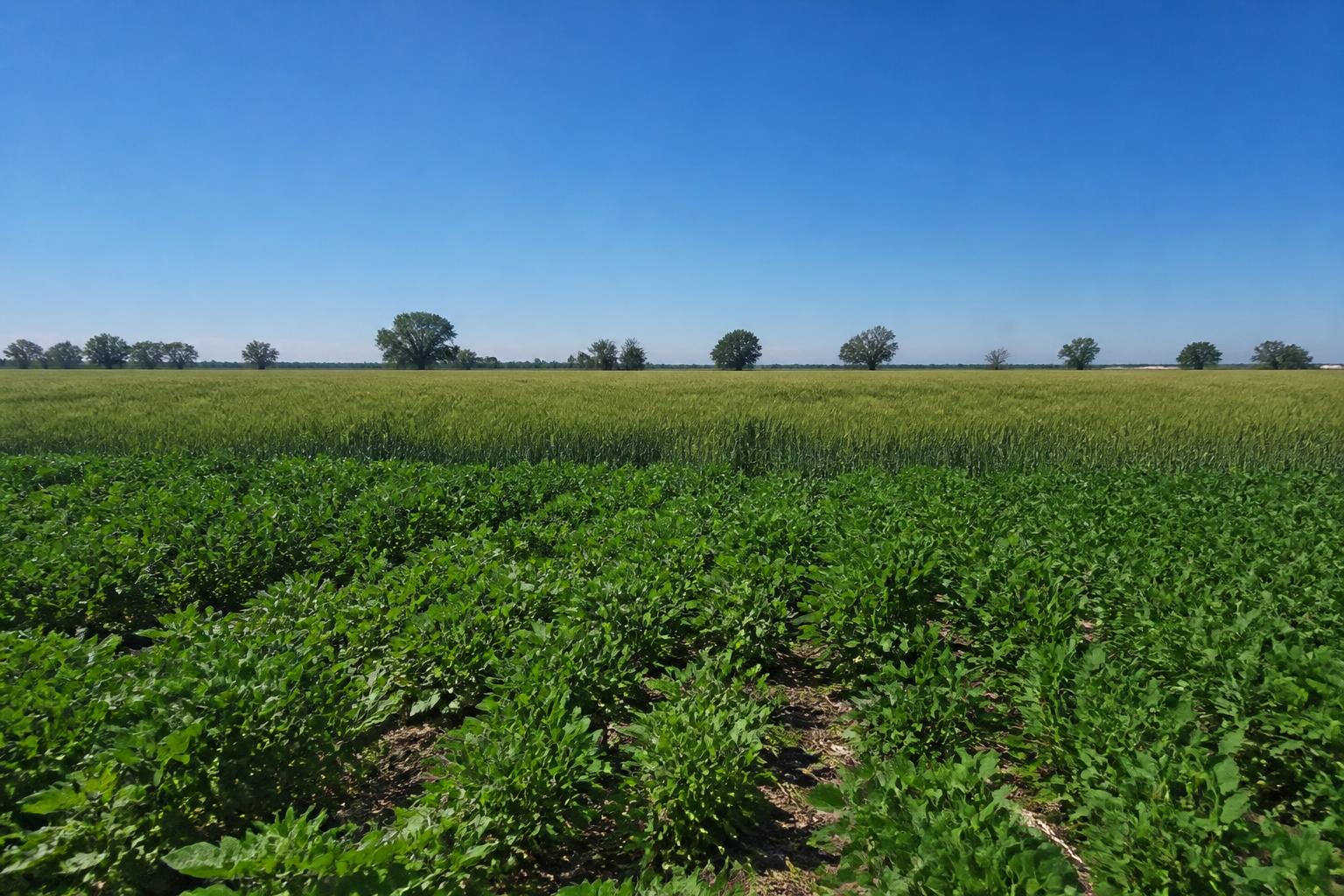
As Georgia producers enter the fall season, market attention shifts toward managing production inputs and navigating evolving logistics for regional commodities.
As the 2026 harvest approaches, Washington grain producers are balancing optimistic production forecasts against a volatile international trade environment and shifting logistics.
As nitrogen and phosphate prices see renewed pressure from global supply chain disruptions, Georgia growers are evaluating input strategies ahead of the fall cycle.
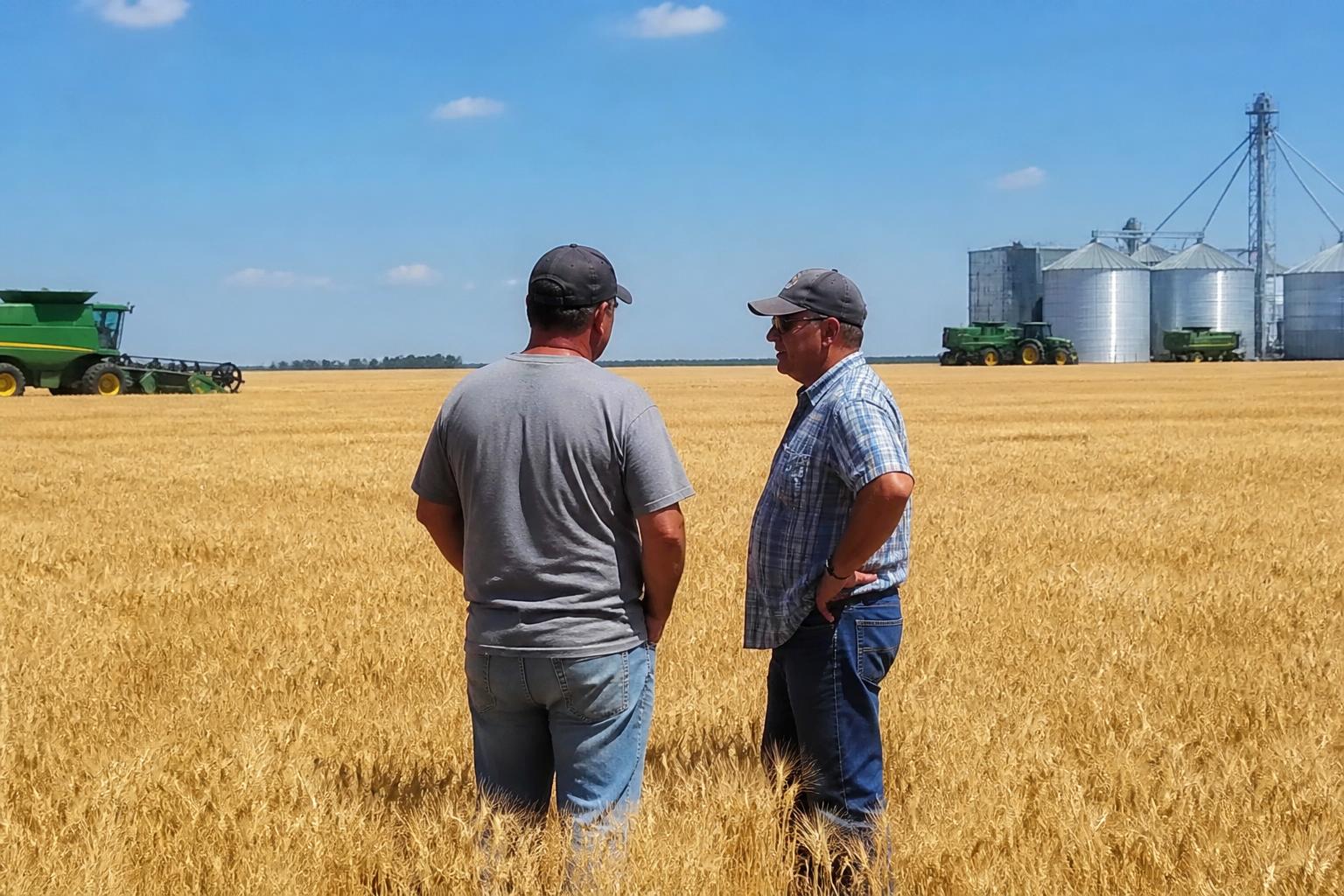
As Kansas farmers grapple with historic lows in wheat production, industry focus shifts toward managing input efficiency and assessing the outlook for summer crop resilience.
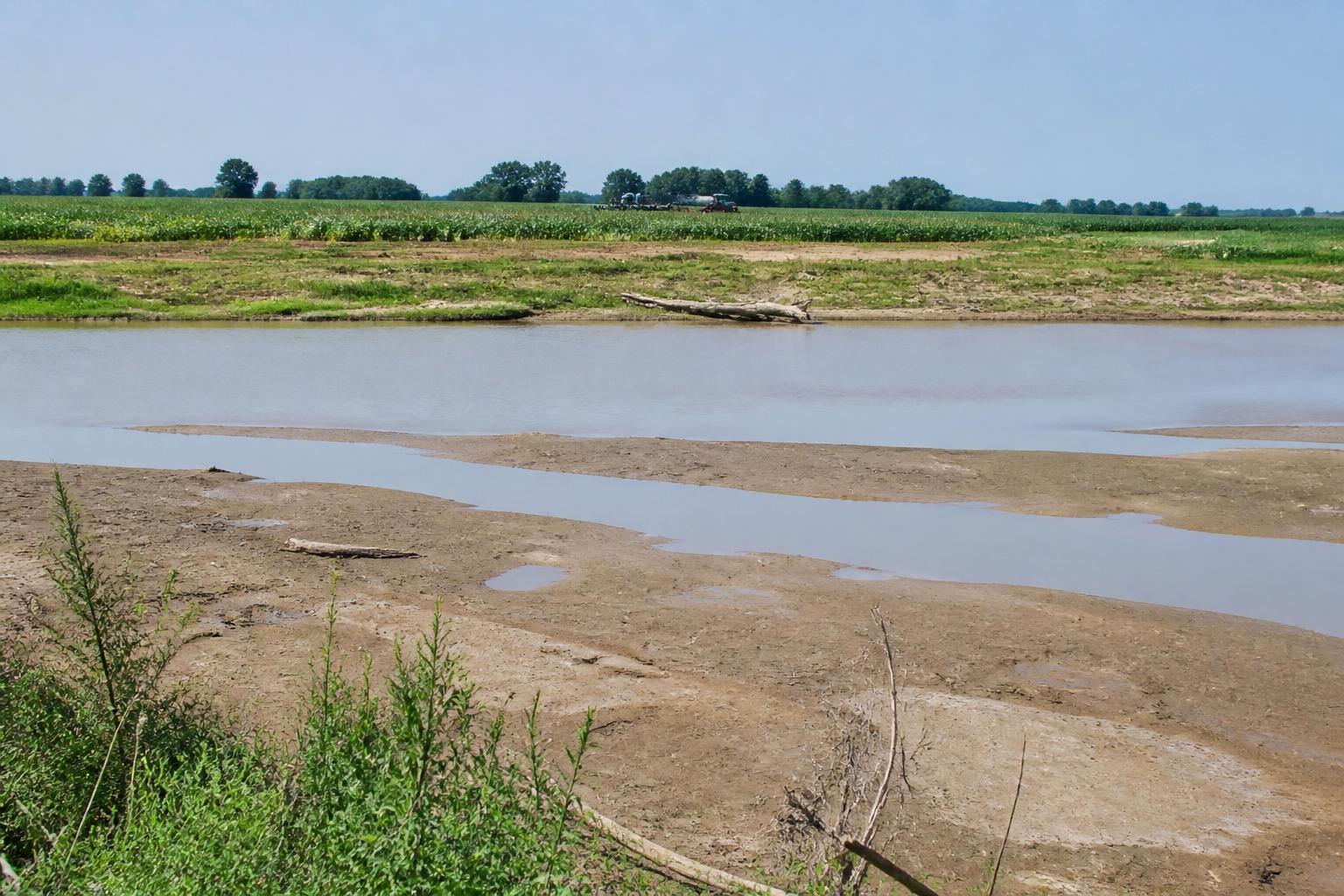
Louisiana producers face persistent logistical challenges as low water levels on the Mississippi River threaten transport efficiency, while broader market pressures linger.
As North Dakota producers navigate the current growing season, focus remains on moisture levels and vigilance against late-season crop stress.
As North Dakota producers manage mid-summer crop development, local grain markets remain sensitive to shifting trade dynamics and regional production milestones.
Utah producers are navigating a complex market landscape marked by persistent fertilizer cost pressures and the potential for long-term supply volatility.
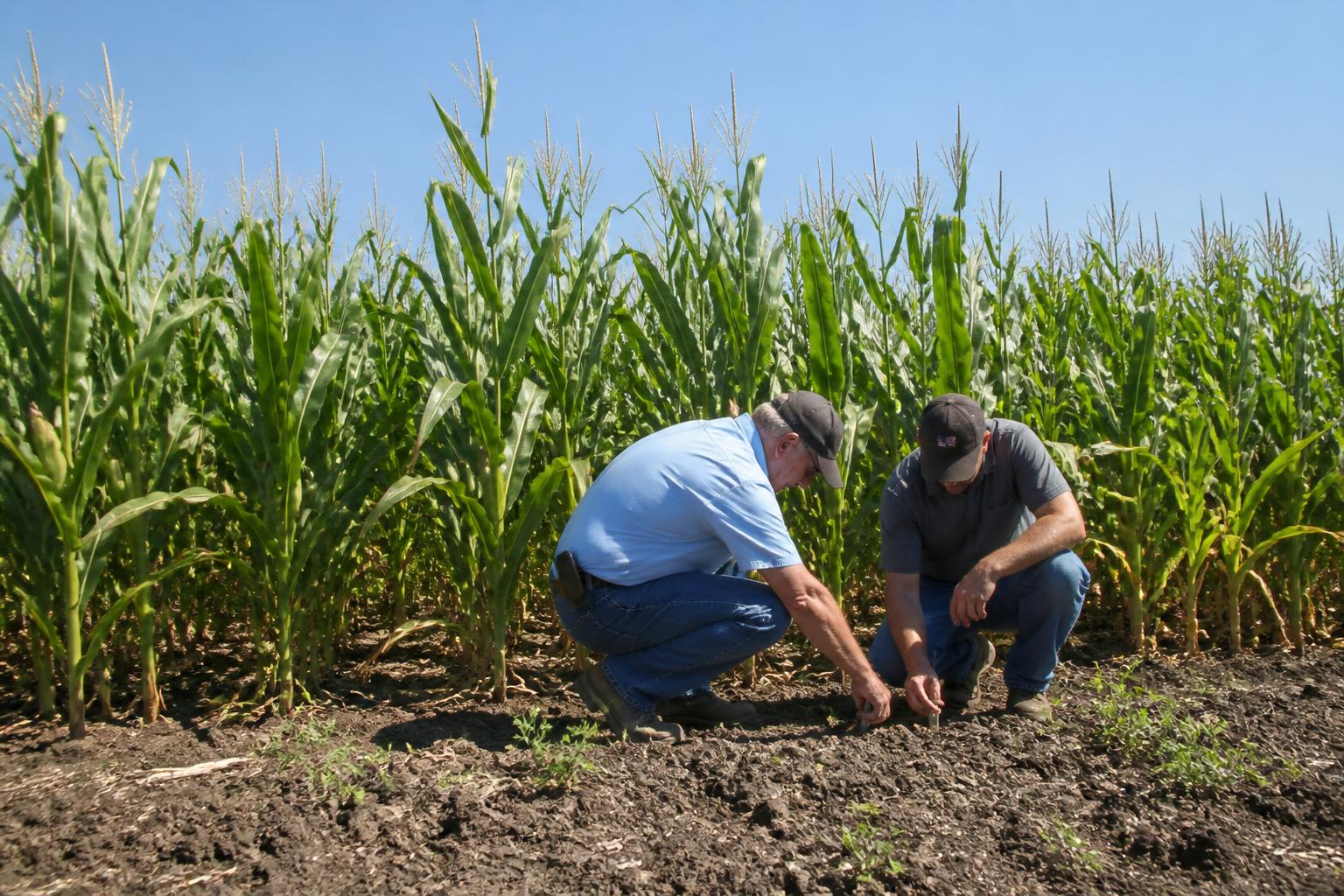
As Michigan growers navigate peak mid-summer conditions, focusing on disease monitoring and adaptive management strategies remains critical for sustaining yield potential.
As Alabama producers navigate a complex summer season, evolving legislative shifts and infrastructure challenges are shaping the local agricultural landscape.
As Texas producers navigate the challenges of the summer harvest season, ongoing developments in port infrastructure and regional trade dynamics are beginning to reshape local supply chain strategies.
Minnesota producers are balancing high input management strategies with evolving water quality standards as the mid-summer season reaches peak crop development.
Sign in to manage requests, save contacts and respond to market offers quickly.
Continue with Google Continue with MicrosoftSign in to manage requests, save contacts and respond to market offers quickly.
Continue with Google Continue with MicrosoftEnter your email and we will send a password reset link.
Don't have an account?
We value your privacy
We use cookies to run the site and, with your consent, to measure traffic (Google Analytics) and personalize ads. You can accept, reject, or choose. Privacy Policy