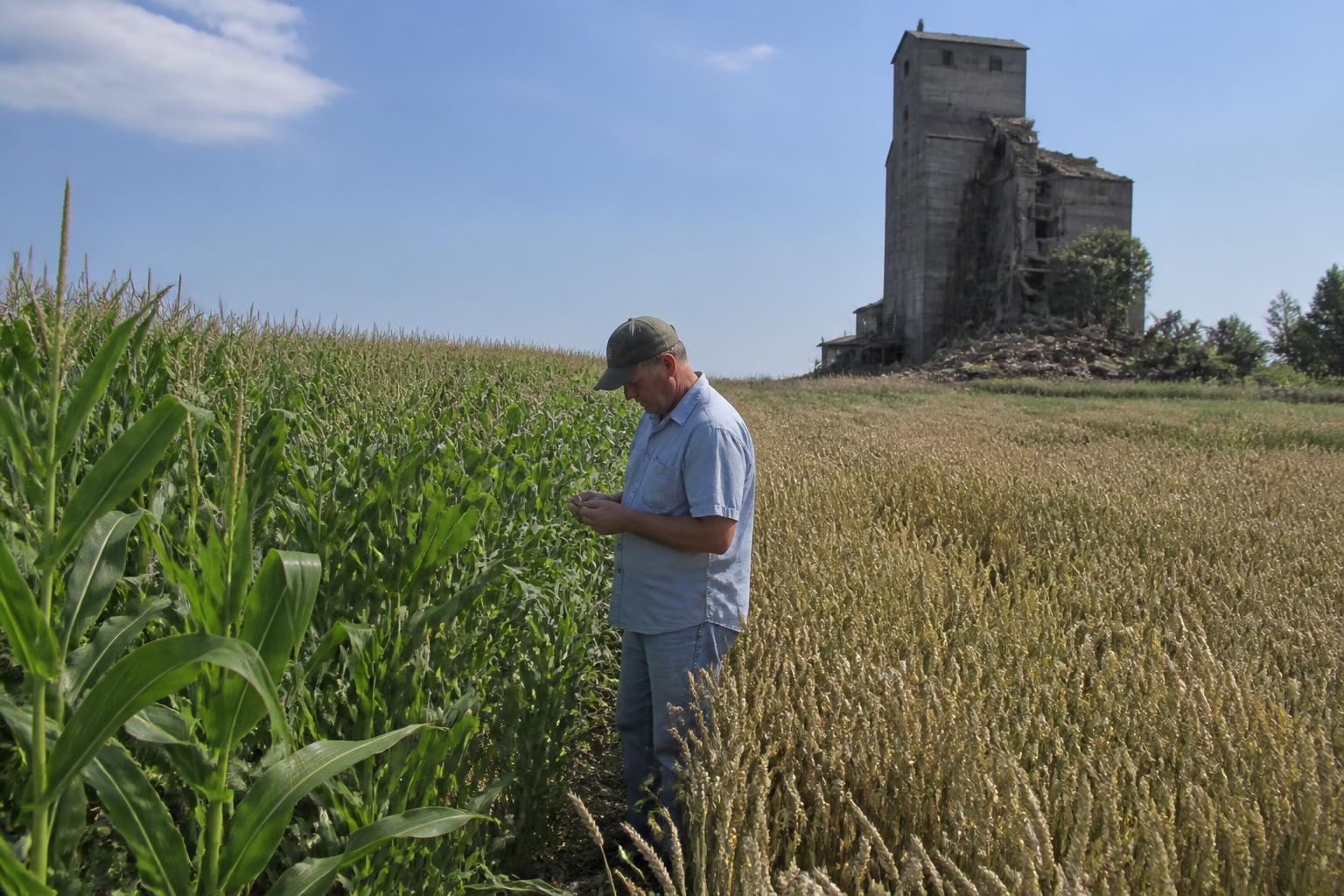
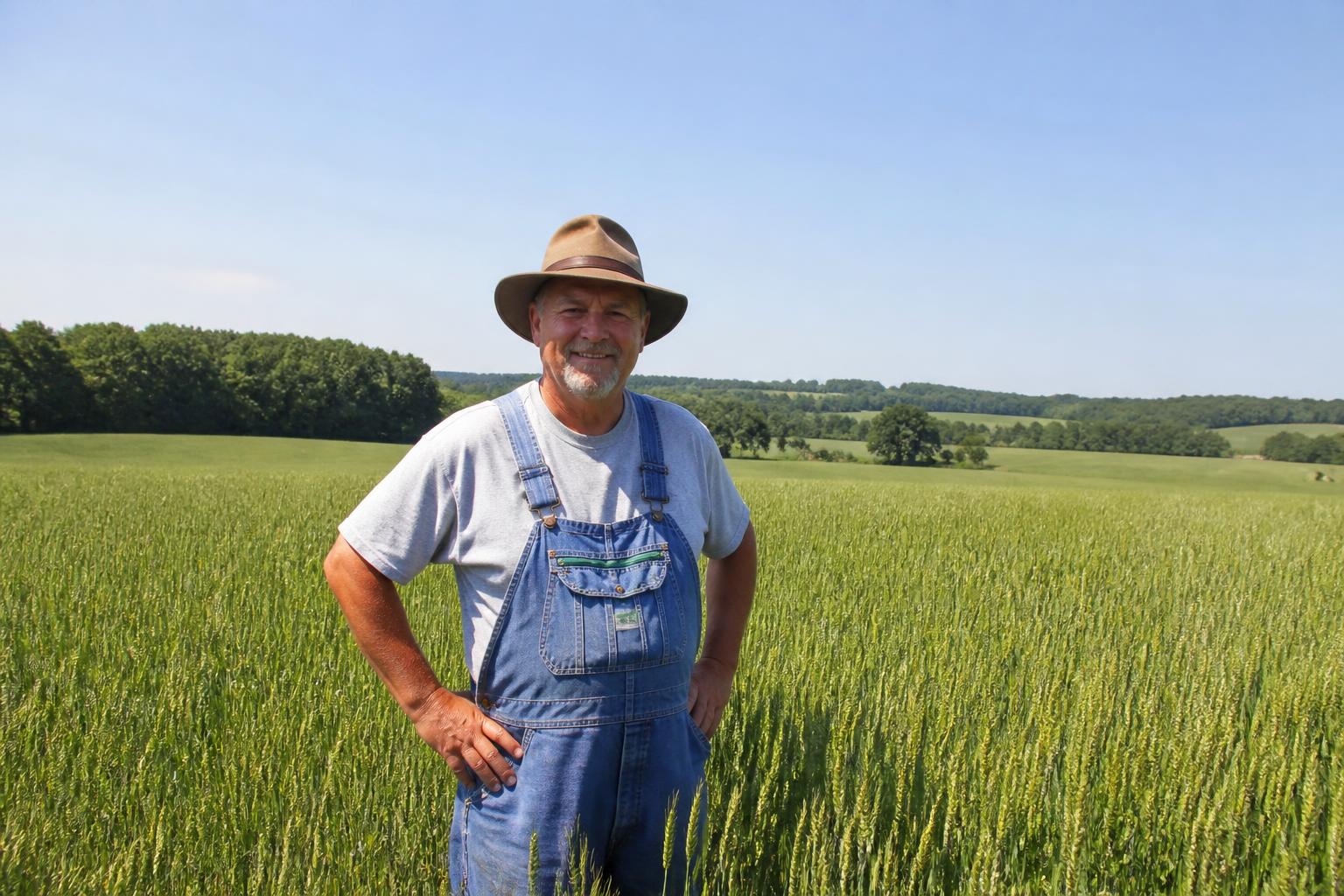
Tennessee Wheat Planning: Balancing Soil Health and Planting Windows
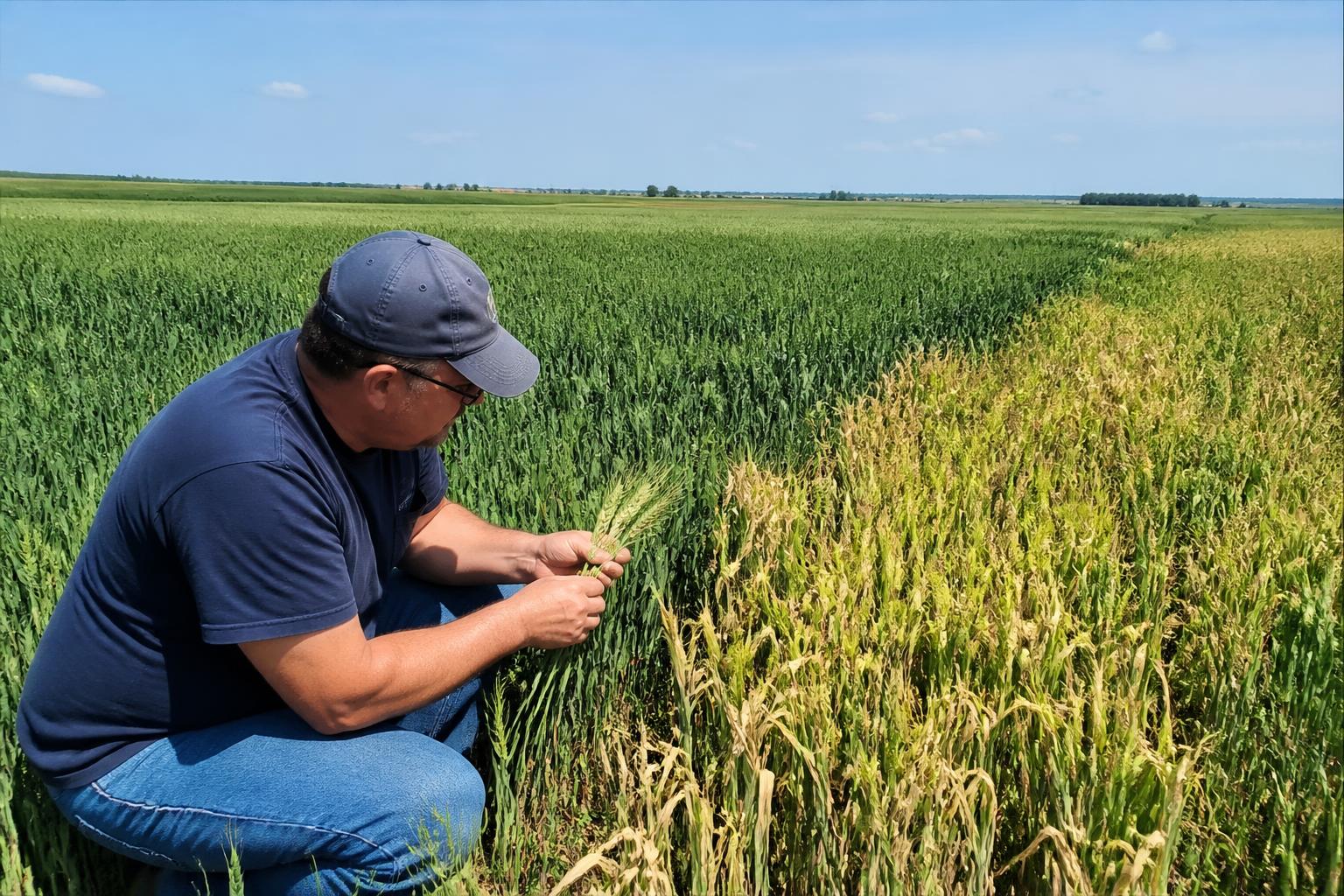
As Tennessee growers look toward the upcoming wheat season, experts caution against premature planting, emphasizing the importance of managing local pest risks and soil health.
We collect original digests and analytical notes based on facts, market signals and verified sources.
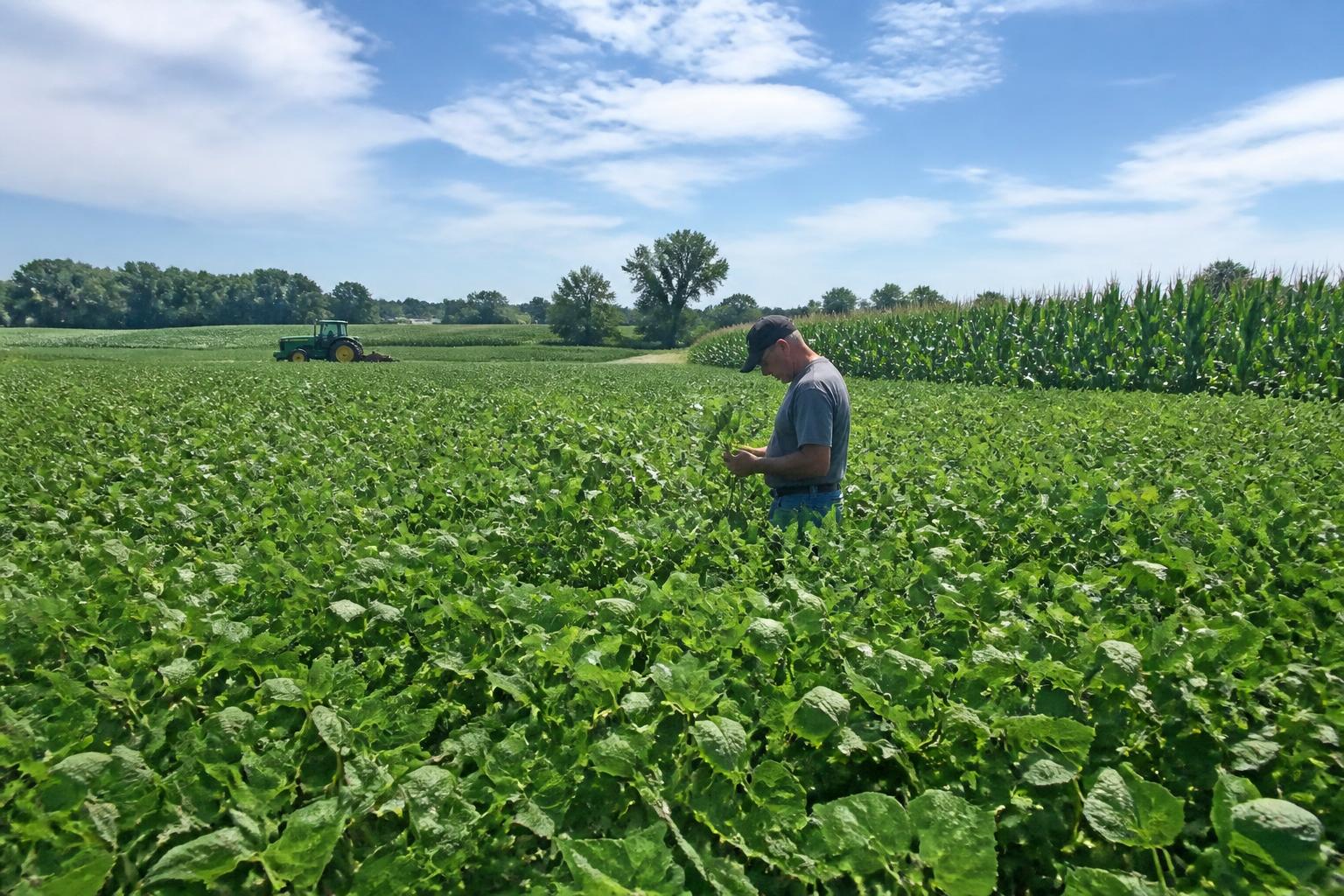
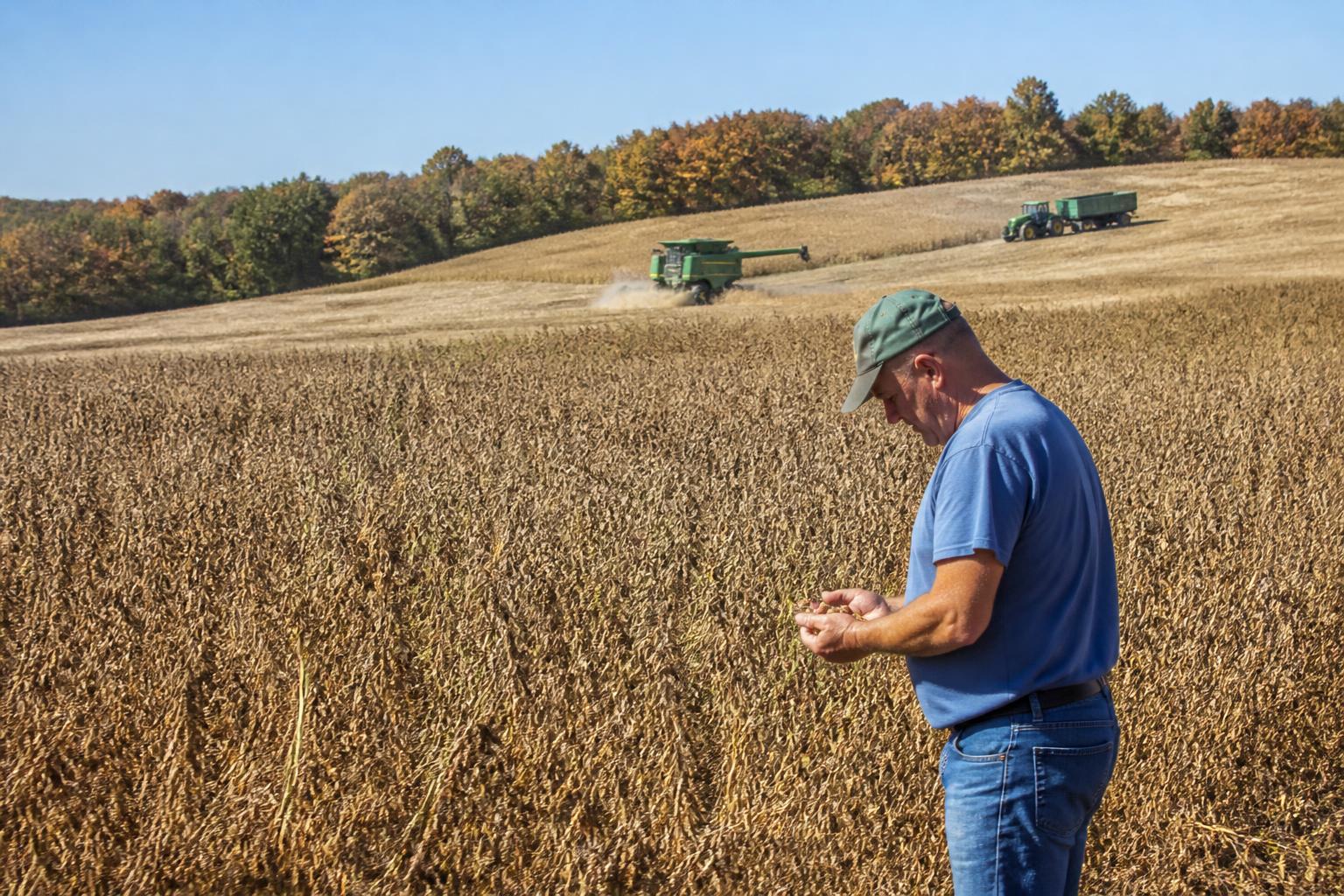
As Wisconsin's fall harvest gains momentum, farmers are balancing fluctuating grain quality reports with persistent concerns over regional fuel expenses and operational overhead.
As Tennessee growers look toward the upcoming wheat season, experts caution against premature planting, emphasizing the importance of managing local pest risks and soil health.
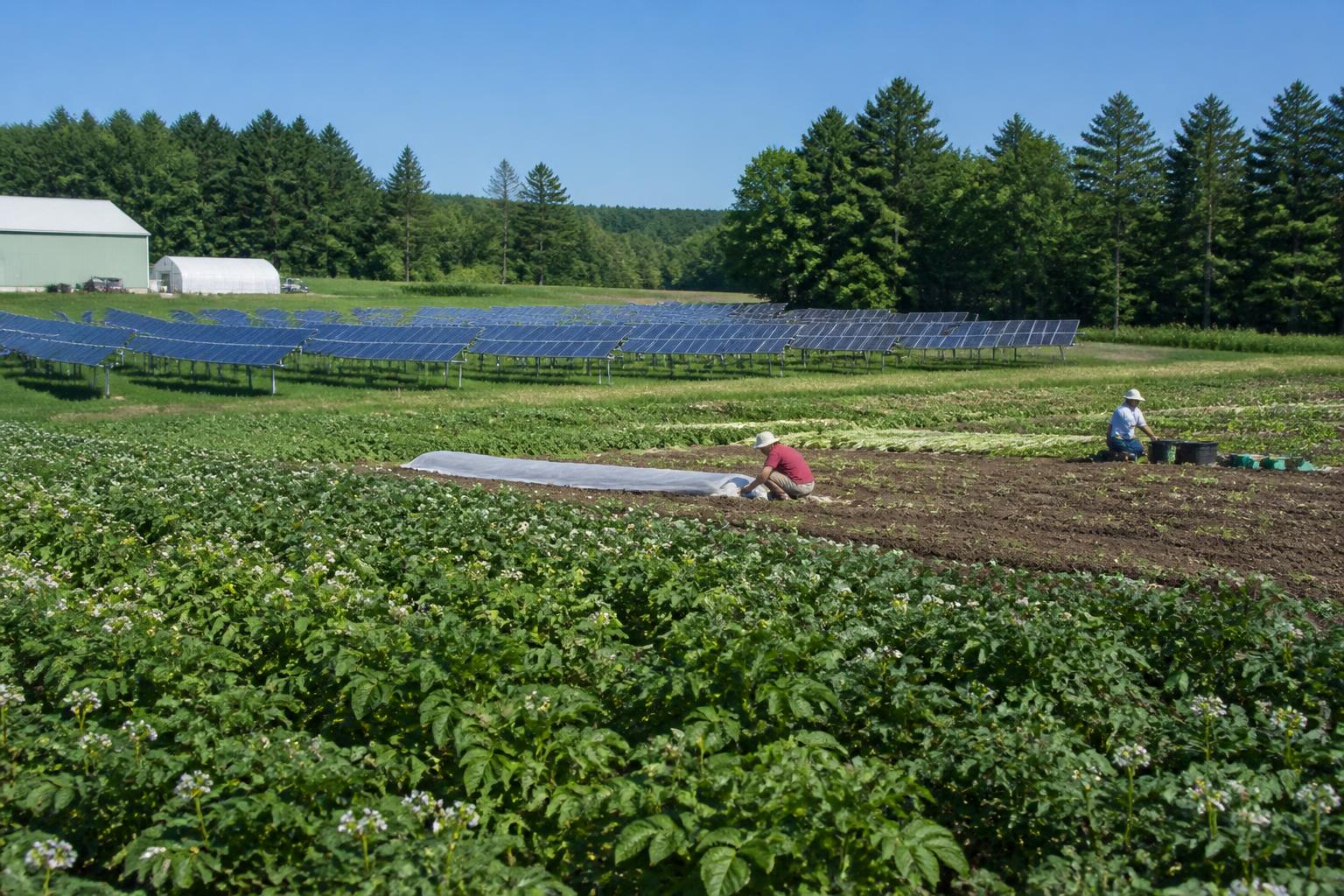
As Utah faces evolving land-use pressures and environmental challenges, local producers are increasingly prioritizing farmland protection strategies to ensure long-term viability.
As summer operations peak in Maine, producers are balancing traditional crop management with evolving regulatory landscapes and land-use competition.
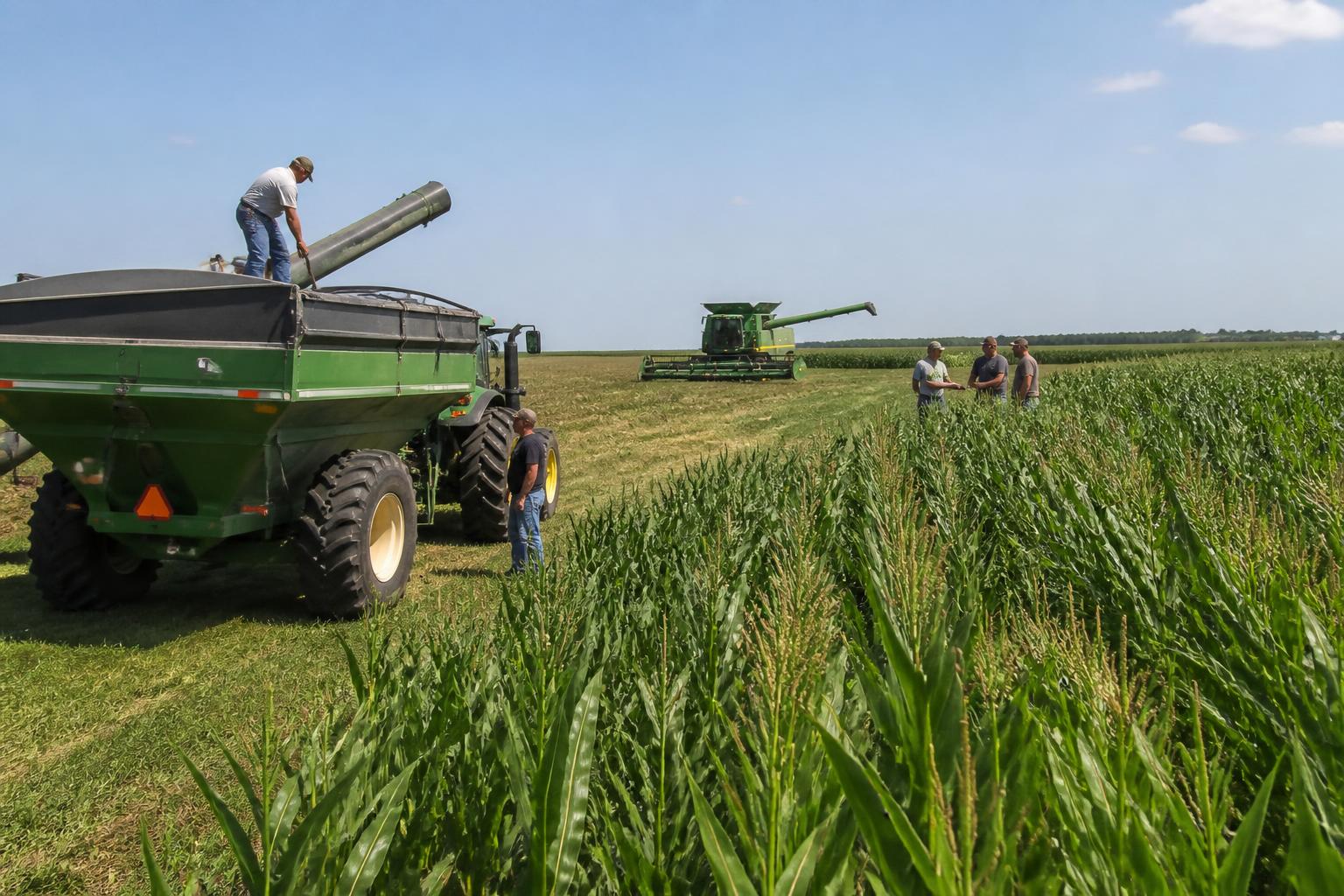
As Nebraska enters the height of summer, grain handlers and logistics providers are adjusting to evolving crop conditions and the mobilization of custom harvesting crews.
The Michigan Department of Agriculture and Rural Development has updated bulk storage regulations for commercial fertilizers, prompting a review of local operational compliance.
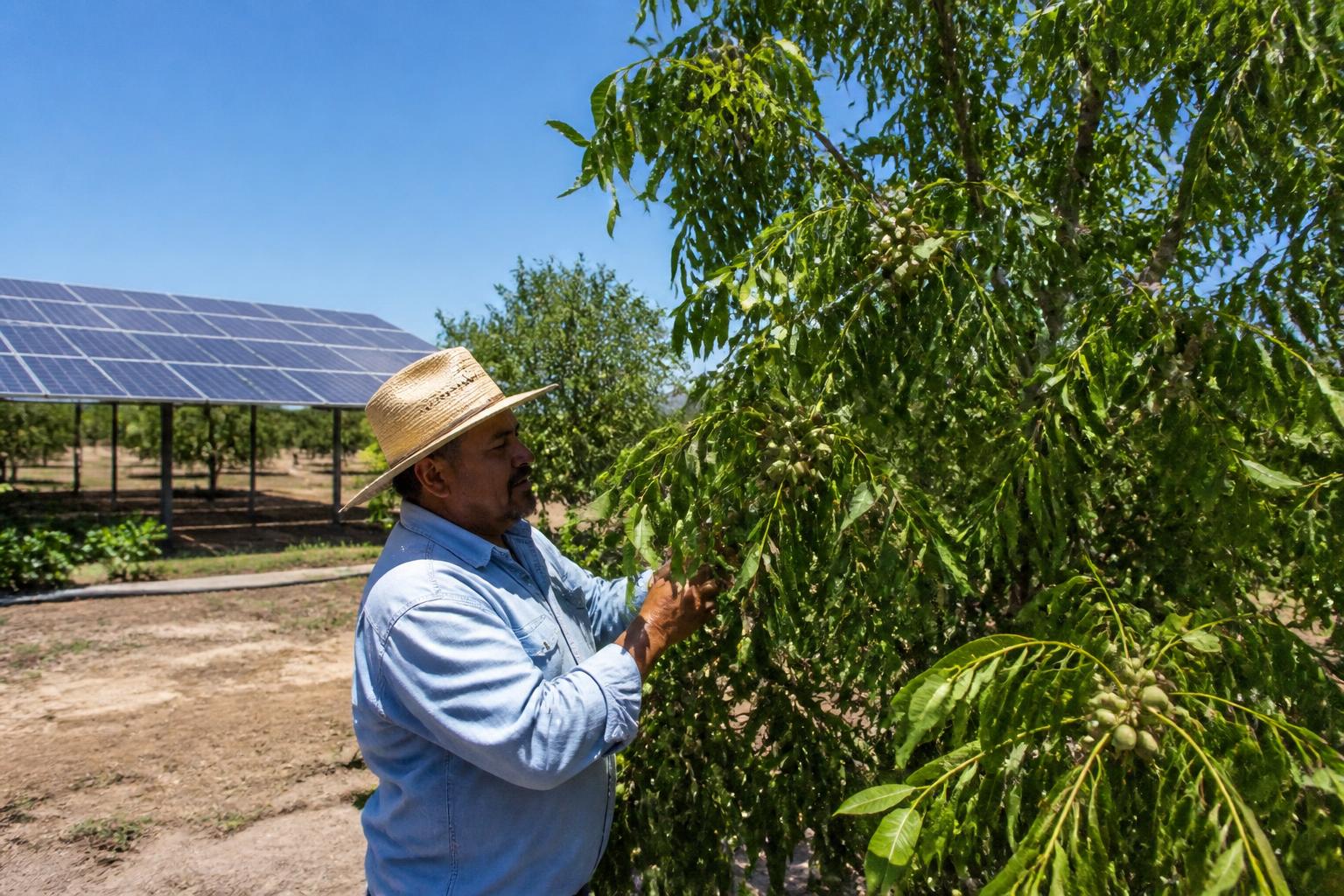
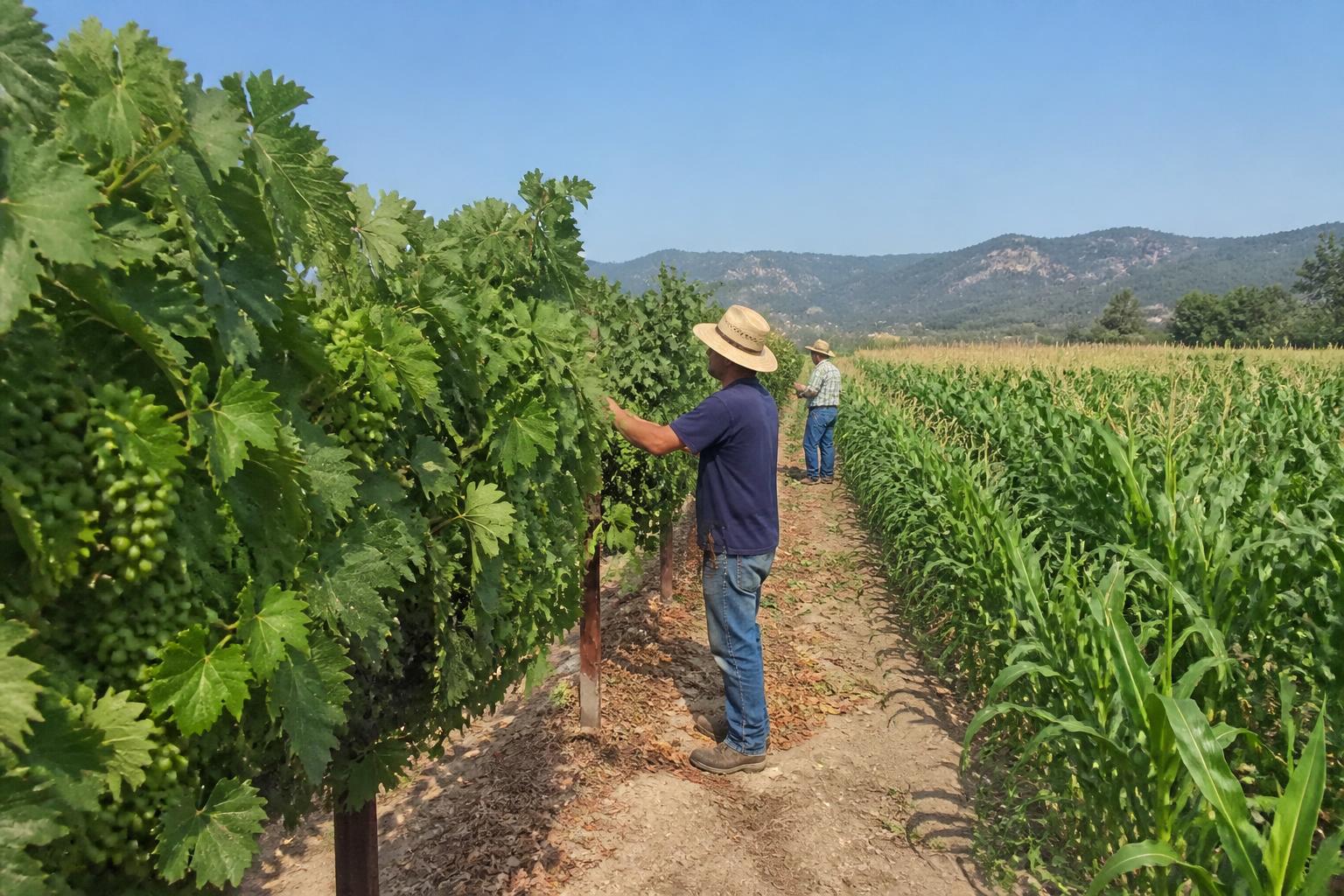
As summer heat peaks, Arizona producers continue to prioritize adaptive water management and soil health to protect long-term crop viability.
Georgia agricultural stakeholders are monitoring new legislative developments regarding truck weight limits and infrastructure as the state seeks public input on long-term rural transport planning.
As summer operations peak in Oklahoma, producers are looking toward enhanced biological and chemical management tools to mitigate crop stress and optimize long-term yields.
Geopolitical instability is creating fresh challenges for Florida producers as fertilizer supply chains face potential disruptions, complicating cost management for the current season.
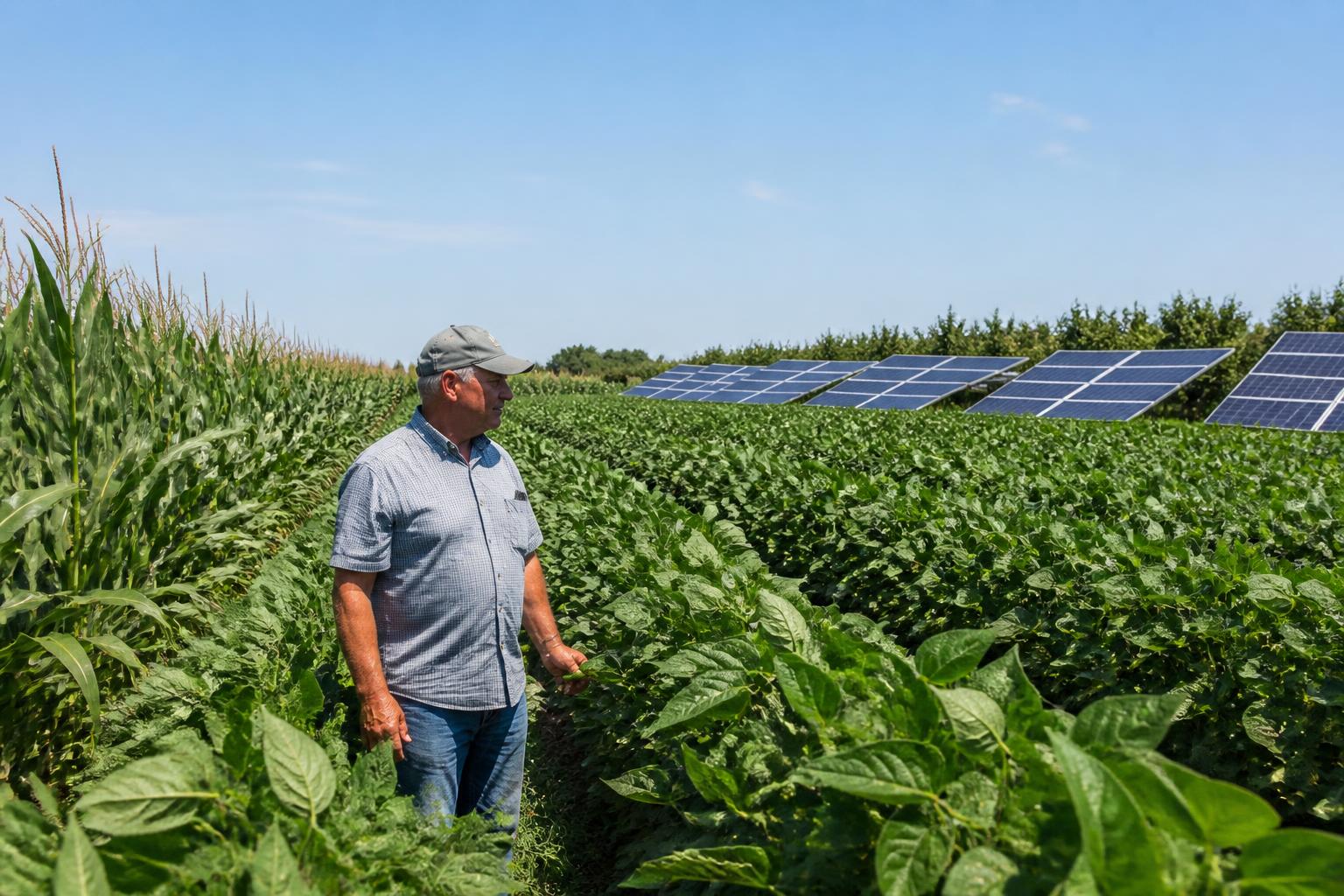
California growers face evolving fertilizer market conditions as new domestic production initiatives and shifting certification requirements influence input planning for the coming season.
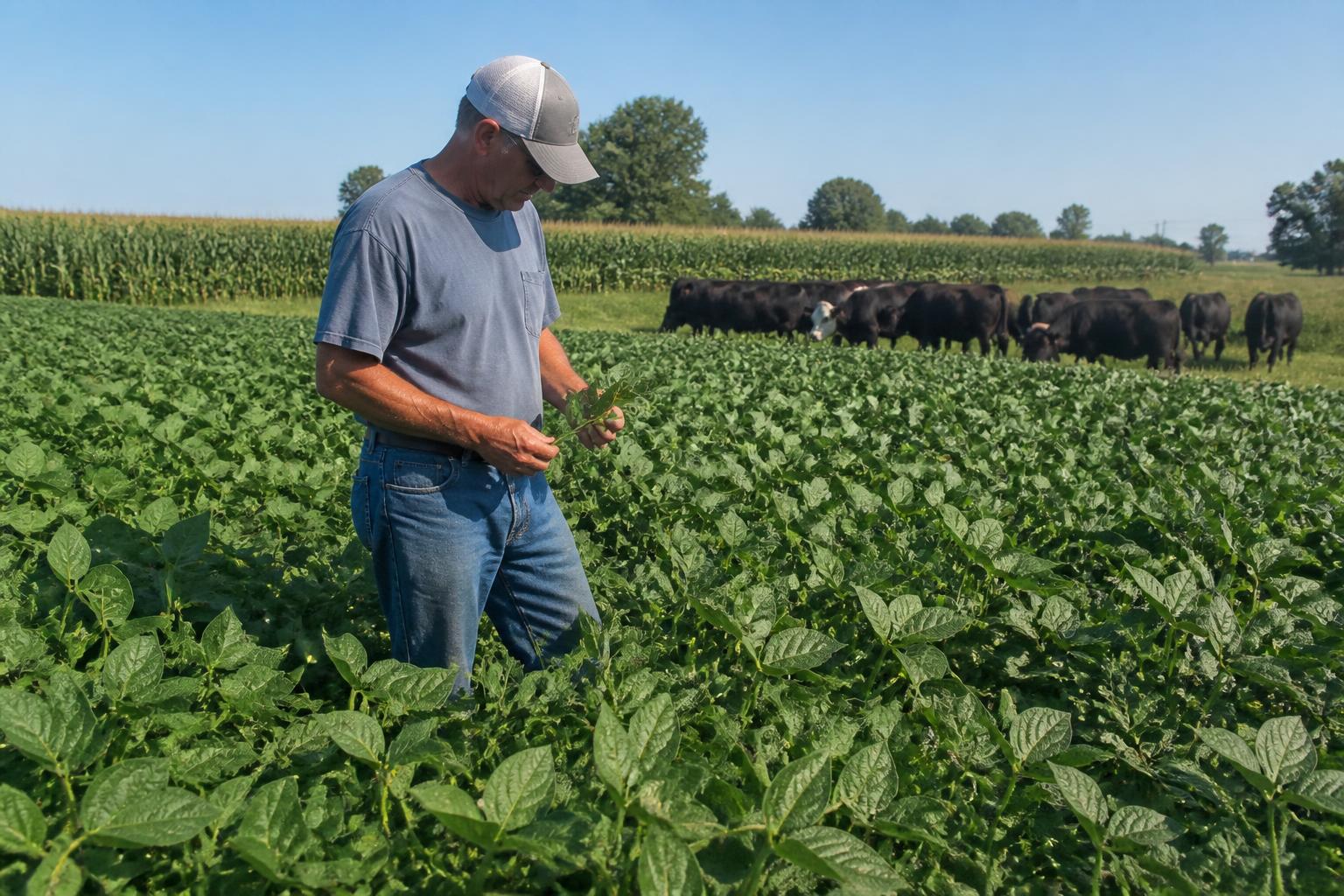
As summer production continues in Missouri, producers are navigating biosecurity threats to livestock, fluctuating crop quality, and shifting regulatory discussions impacting the sector.
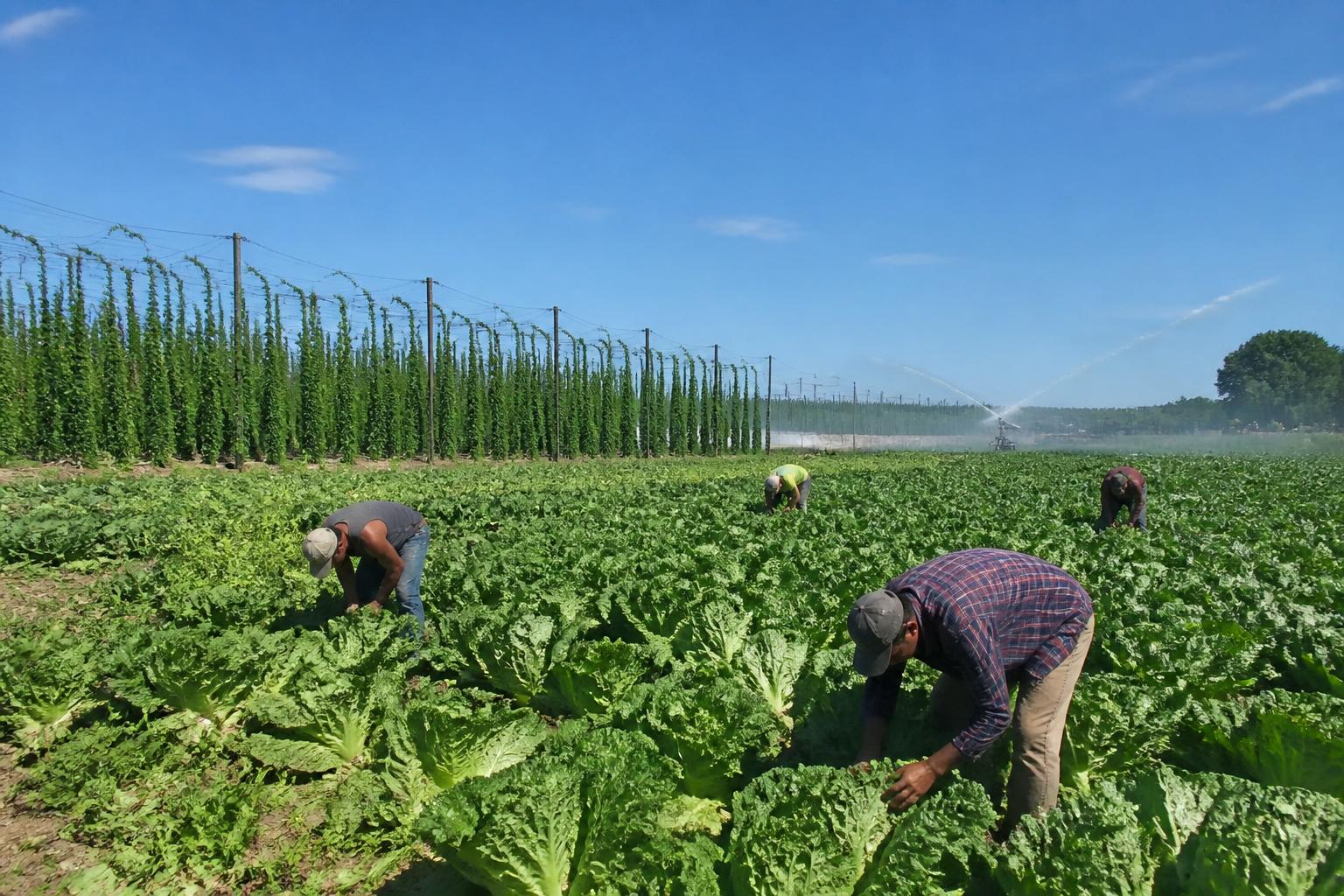
As Colorado producers move through the peak of summer, operational efficiency and water management remain top priorities for regional agribusiness.
Sign in to manage requests, save contacts and respond to market offers quickly.
Continue with Google Continue with MicrosoftSign in to manage requests, save contacts and respond to market offers quickly.
Continue with Google Continue with MicrosoftEnter your email and we will send a password reset link.
Don't have an account?
We value your privacy
We use cookies to run the site and, with your consent, to measure traffic (Google Analytics) and personalize ads. You can accept, reject, or choose. Privacy Policy