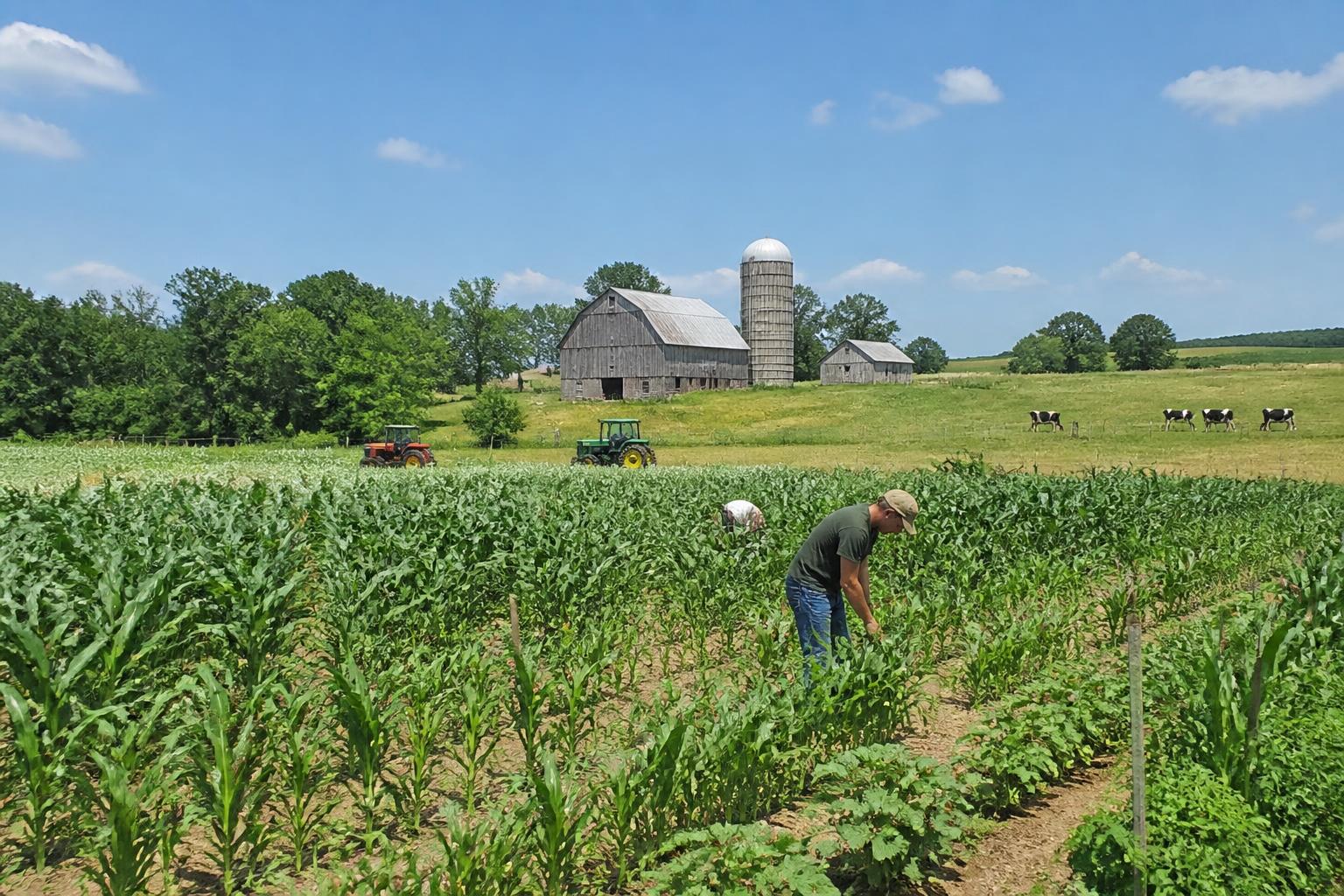
Global Fertilizer Supply Shocks: What West Virginia Producers Should Monitor
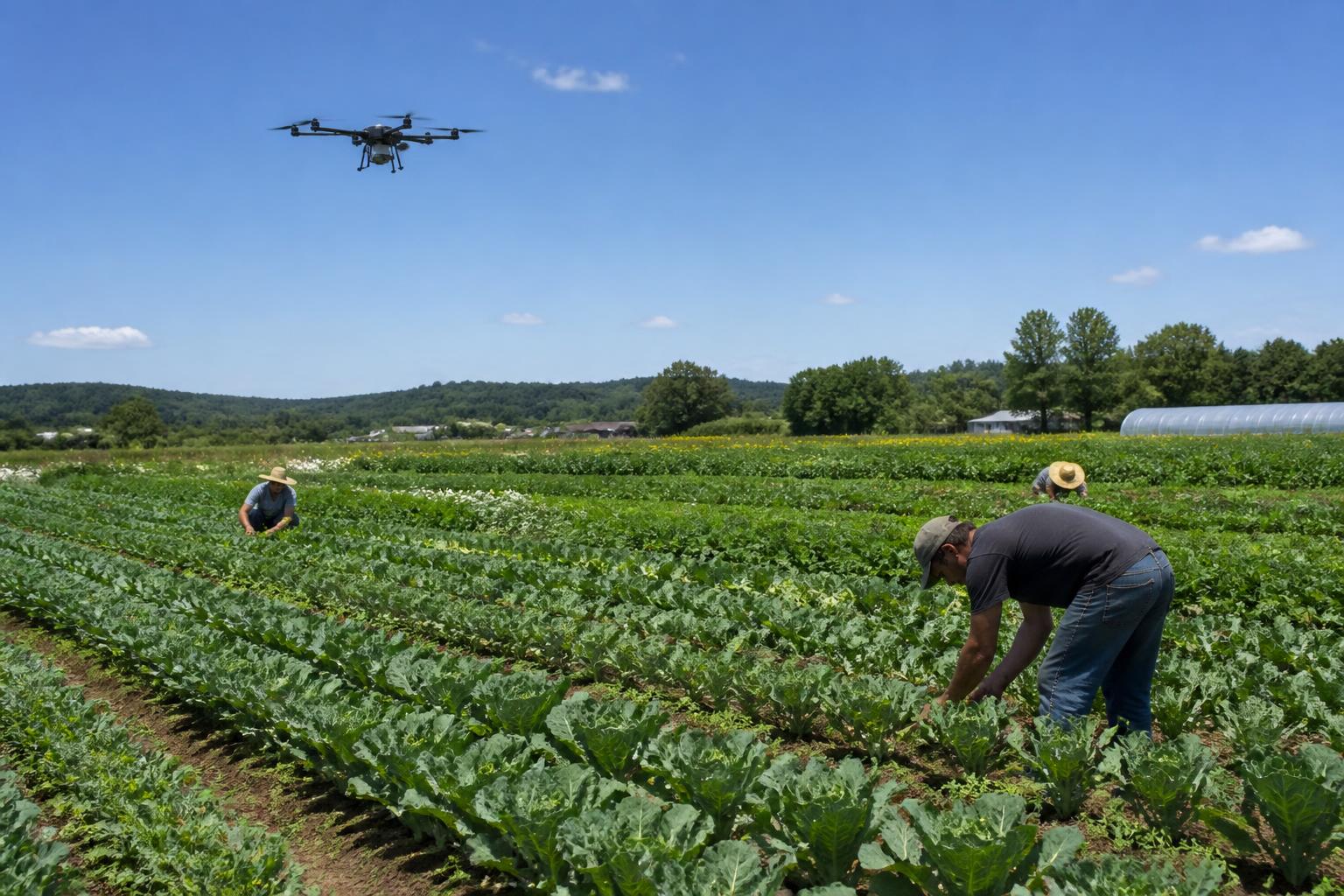
Recent disruptions in global fertilizer transit routes, particularly near the Strait of Hormuz, are raising concerns about long-term input cost stability for U.S. growers.
We collect original digests and analytical notes based on facts, market signals and verified sources.
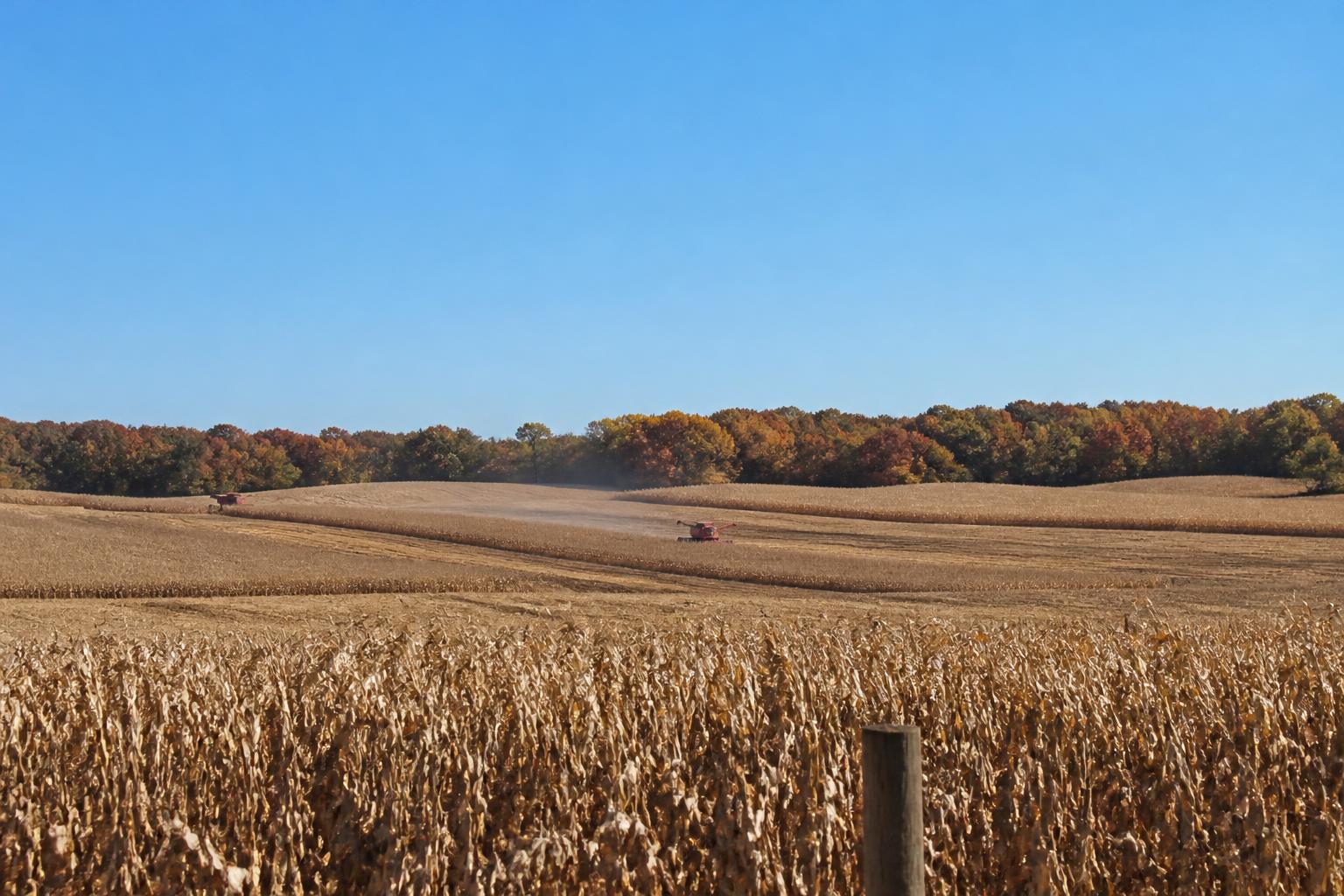
As the Minnesota harvest moves into high gear, producers face a landscape of shifting infrastructure demands and a renewed focus on risk management.
Recent disruptions in global fertilizer transit routes, particularly near the Strait of Hormuz, are raising concerns about long-term input cost stability for U.S. growers.
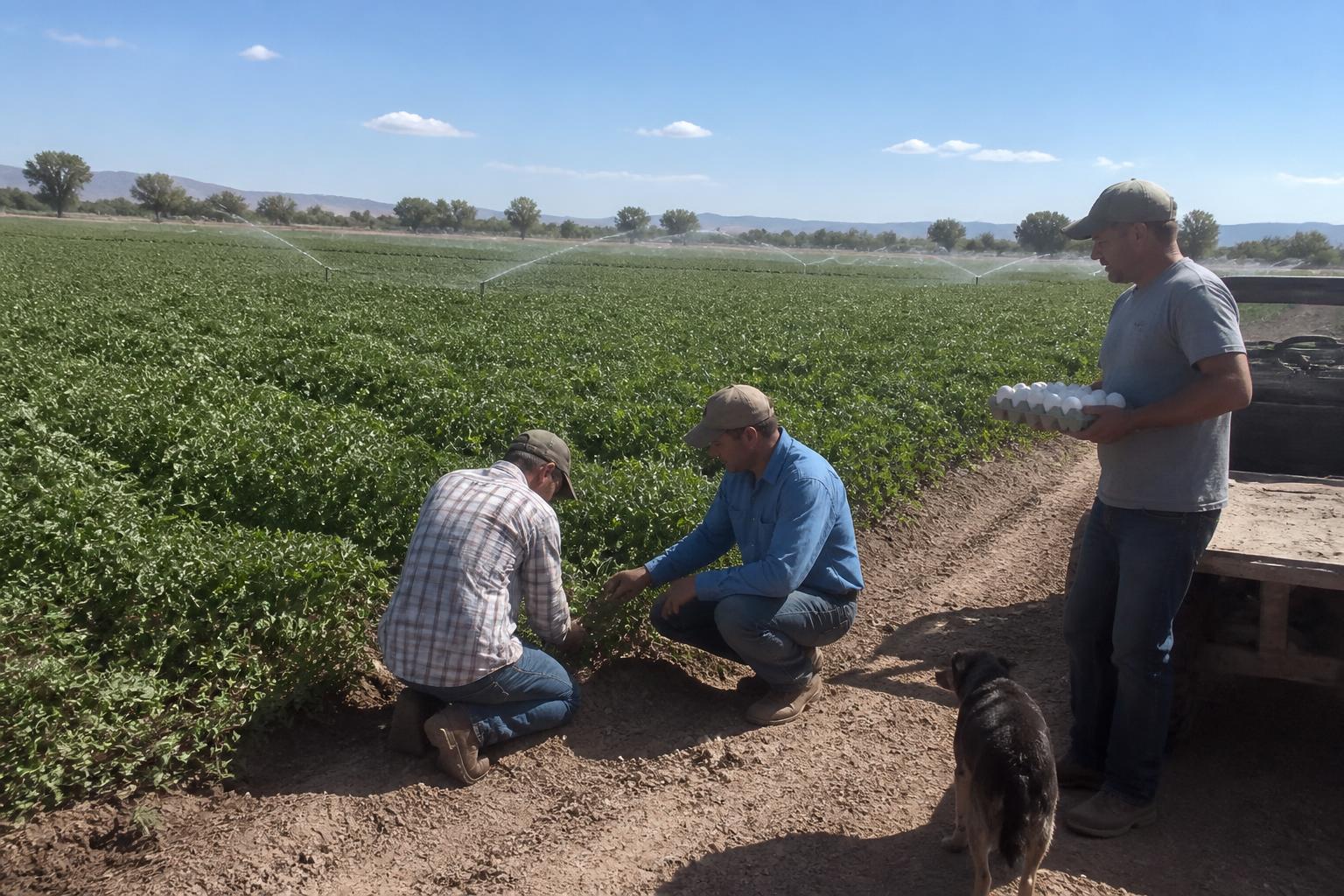
As summer heat intensifies across Arizona, producers face a dual challenge: navigating cooling logistical requirements and shifting global export demand for core crops like alfalfa.
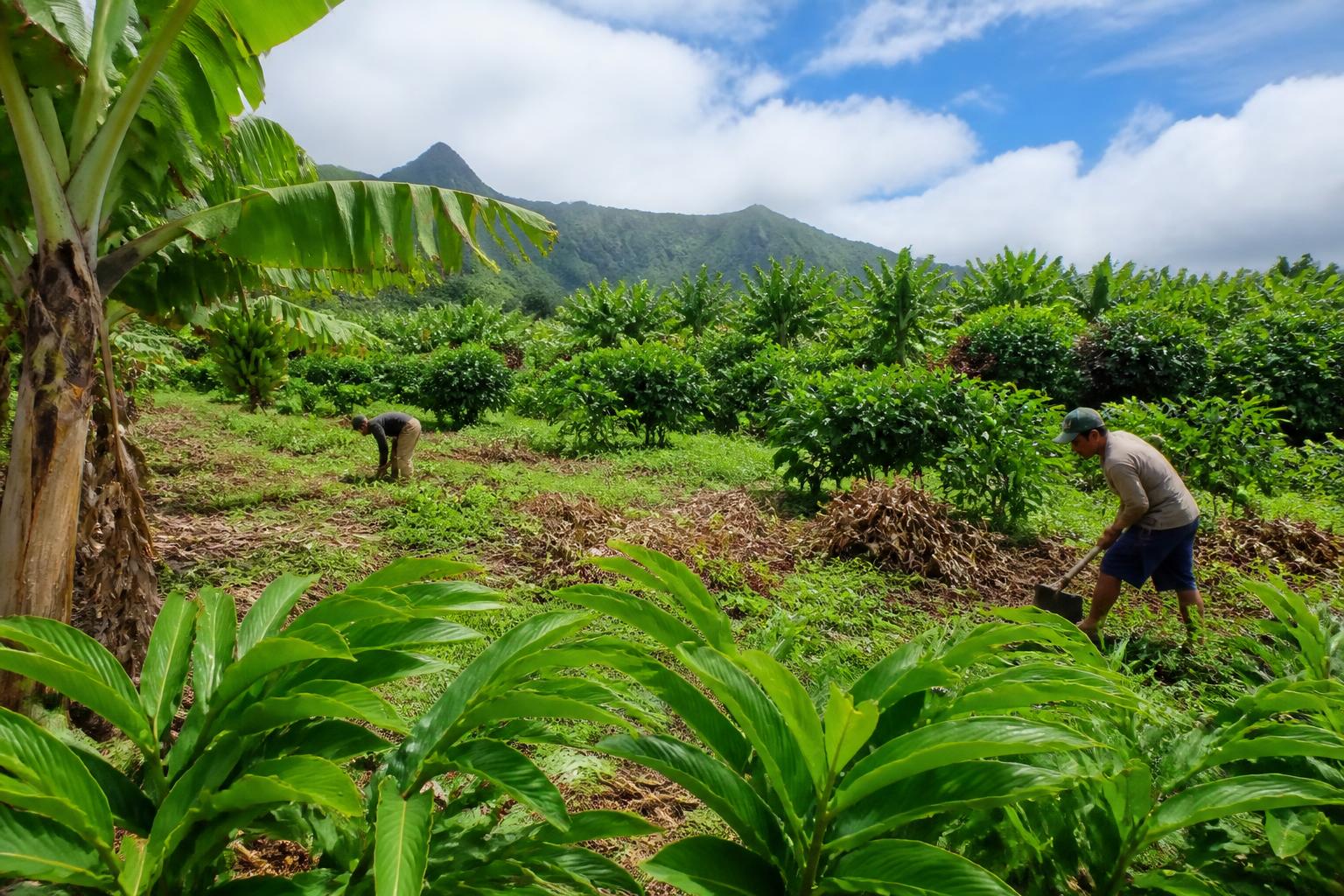
Hawaii producers are facing significant challenges this summer as they grapple with climate-related damage and the need for greater capital support to stabilize agricultural operations.
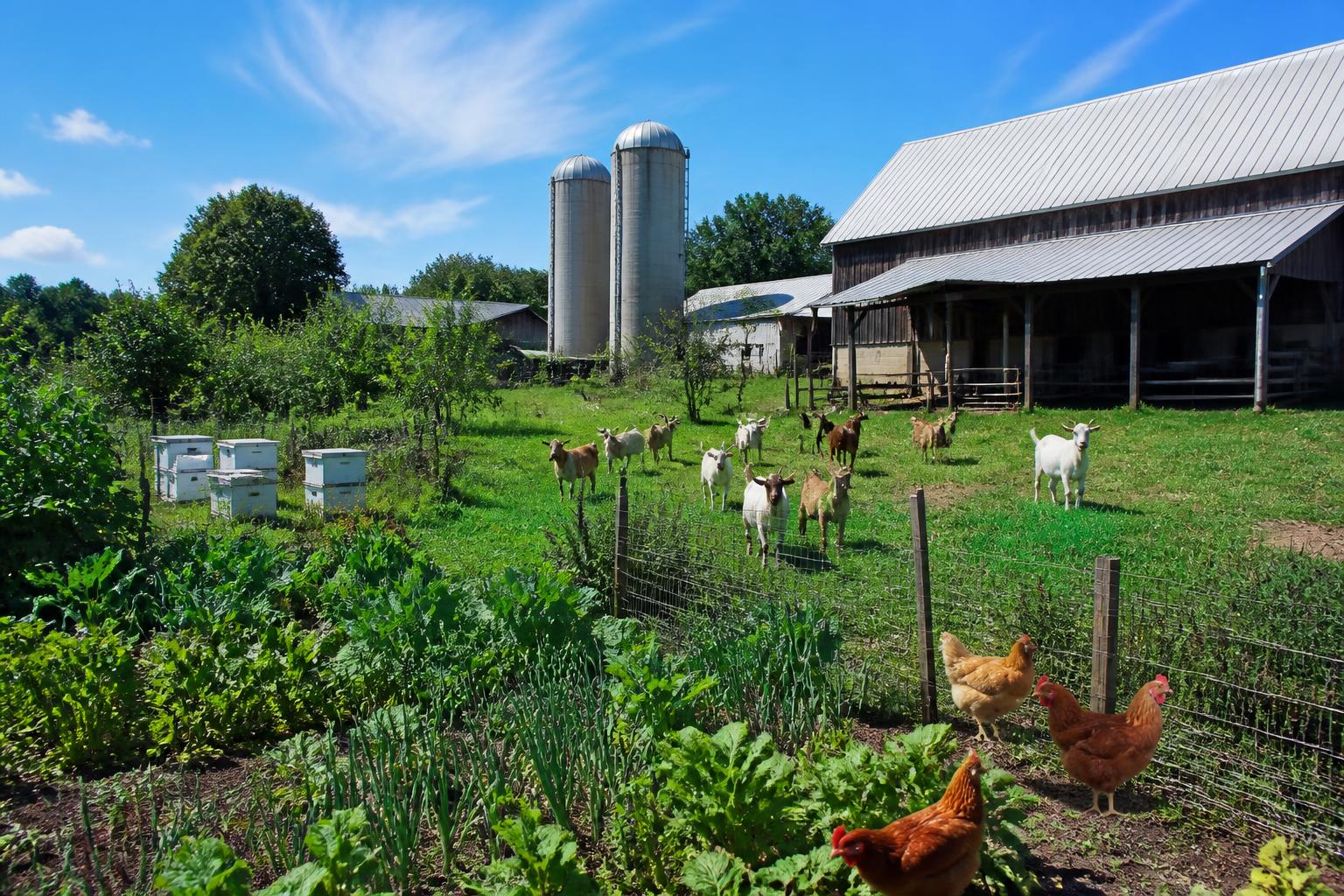
As summer operations intensify in Vermont, producers are managing regulatory shifts in chemical applications while balancing environmental challenges and production diversification.
As Montana growers move through the summer season, ongoing economic headwinds and infrastructure demands remain at the forefront of operational planning.
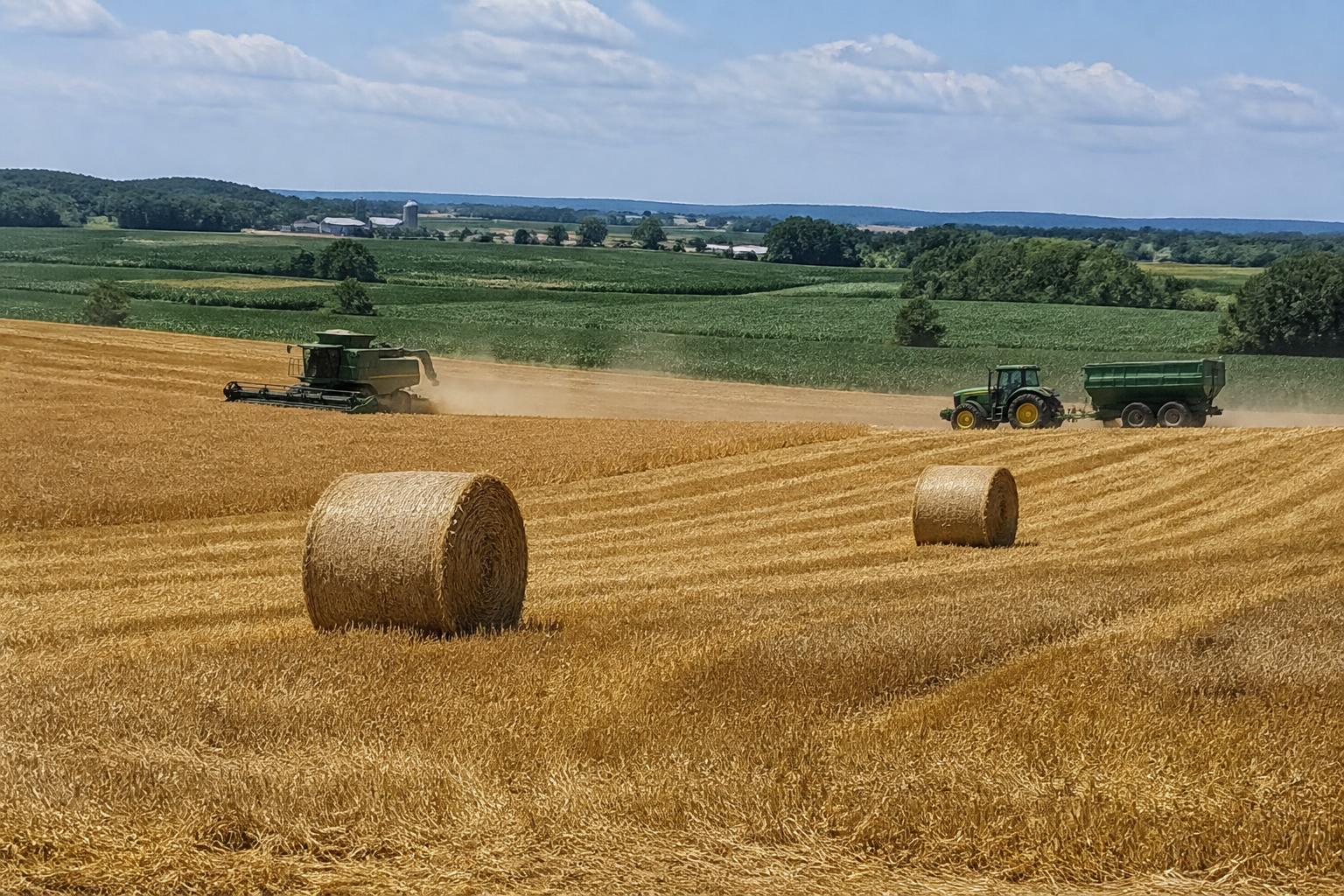
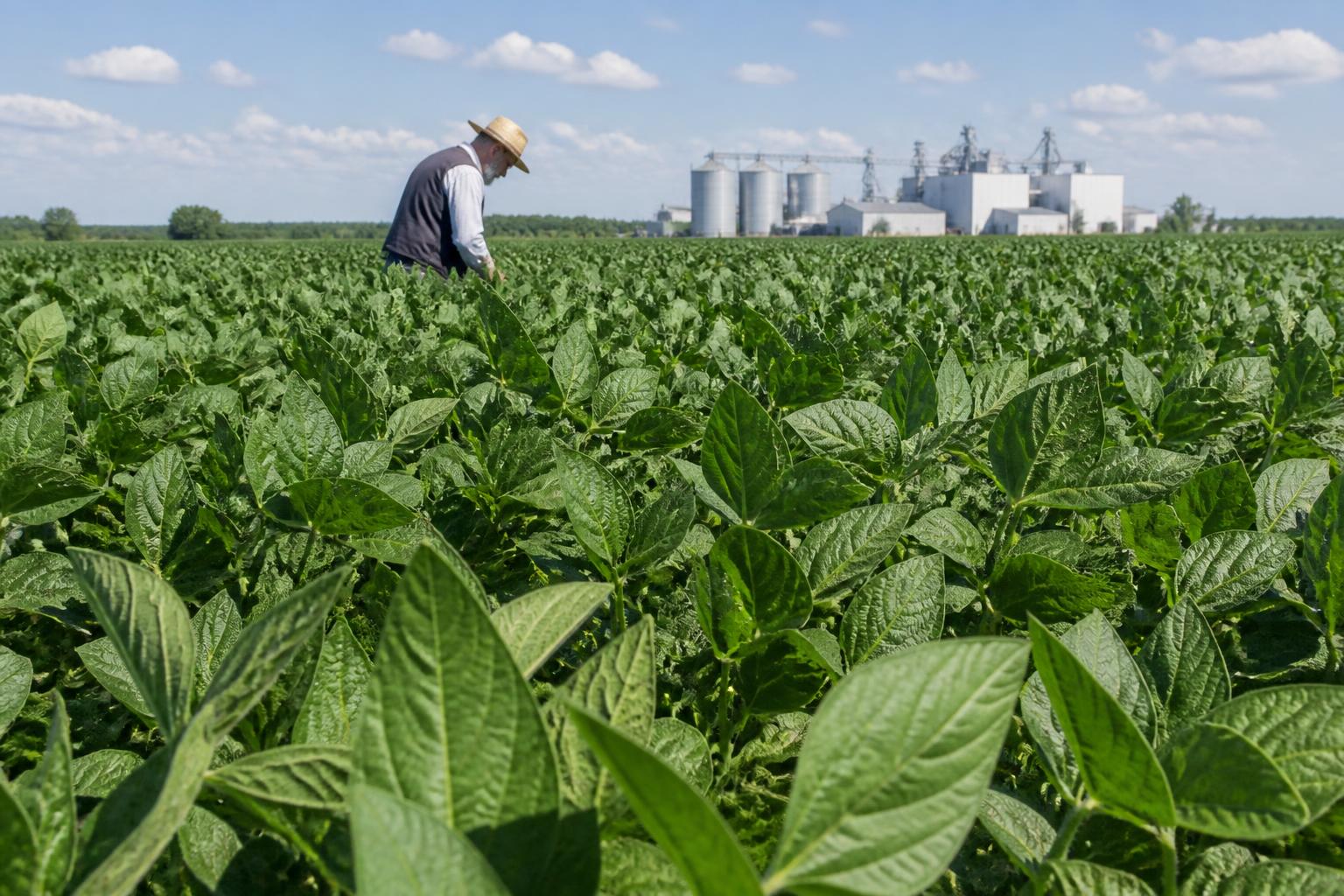
Pennsylvania producers continue to face a complex landscape defined by shifting trade policies and unpredictable weather patterns affecting local crop development.
Mid-summer brings key updates for Ohio growers, from expanding export partnerships in Vietnam to shifting local processing capacity and regional infrastructure logistics.
New Mexico producers are weighing the impacts of evolving USMCA trade reviews and rising input cost forecasts against ongoing regional water challenges.
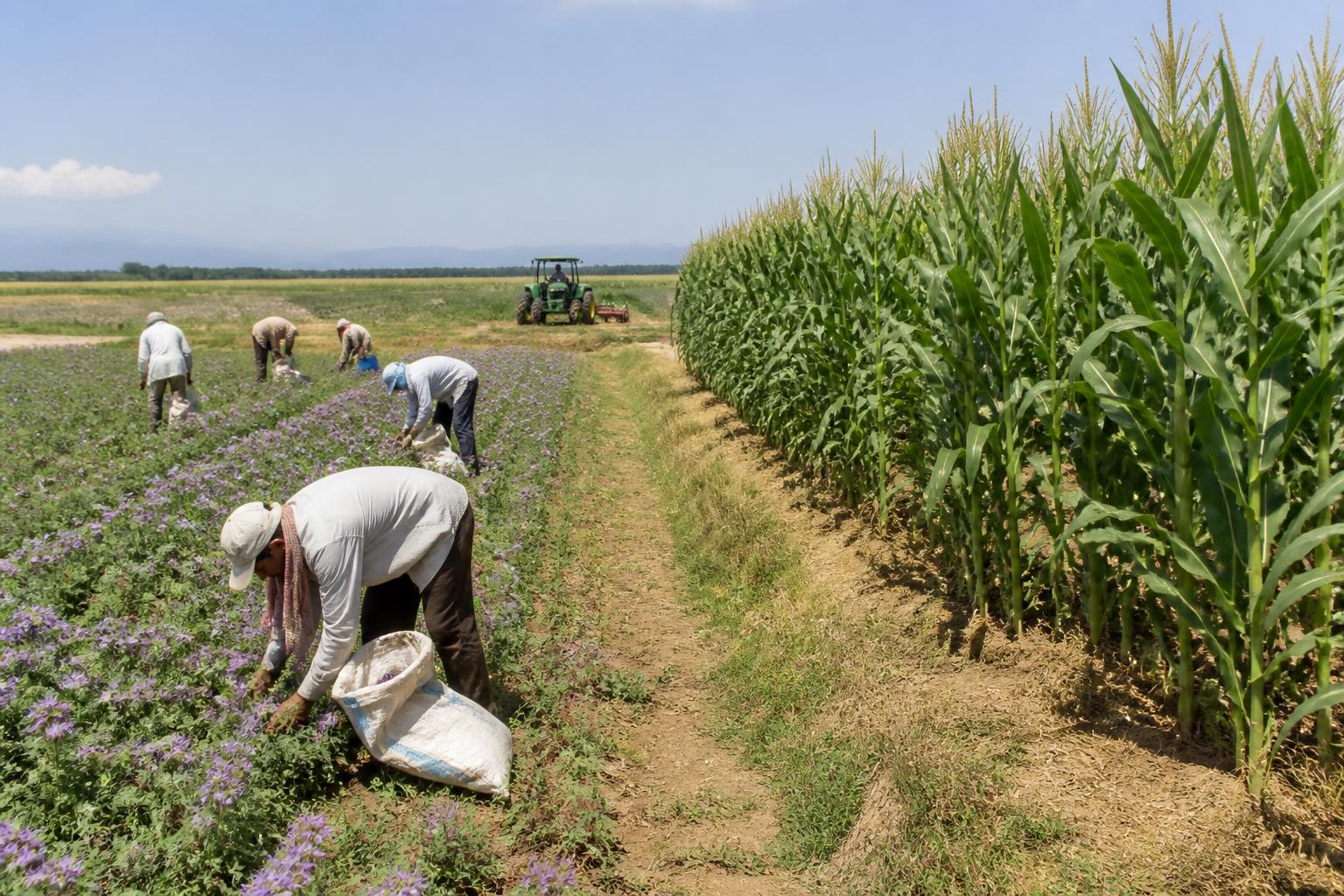
As South Carolina enters the peak summer season, farmers are navigating regional logistics and crop management to maintain yield stability for key commodities like corn.
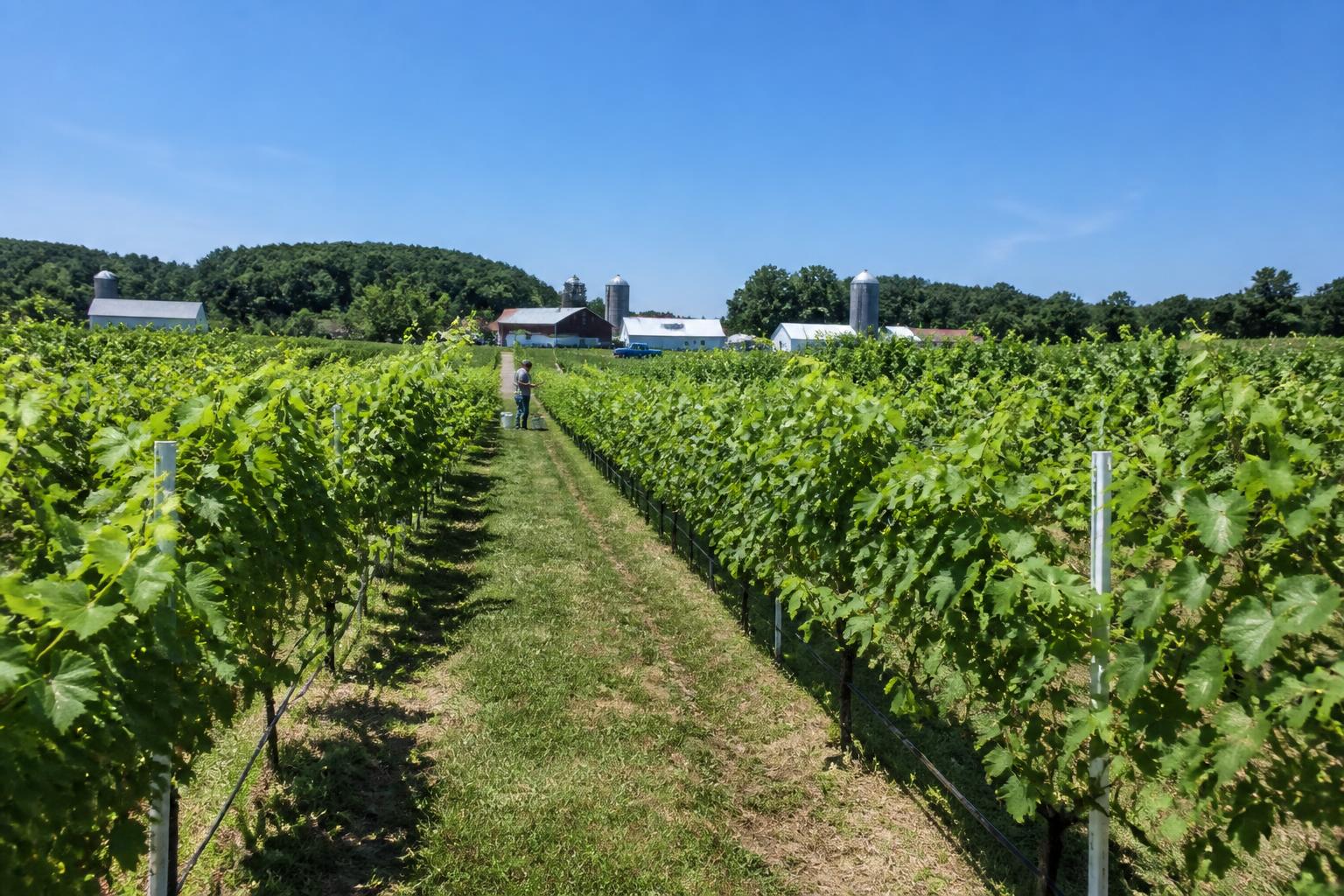
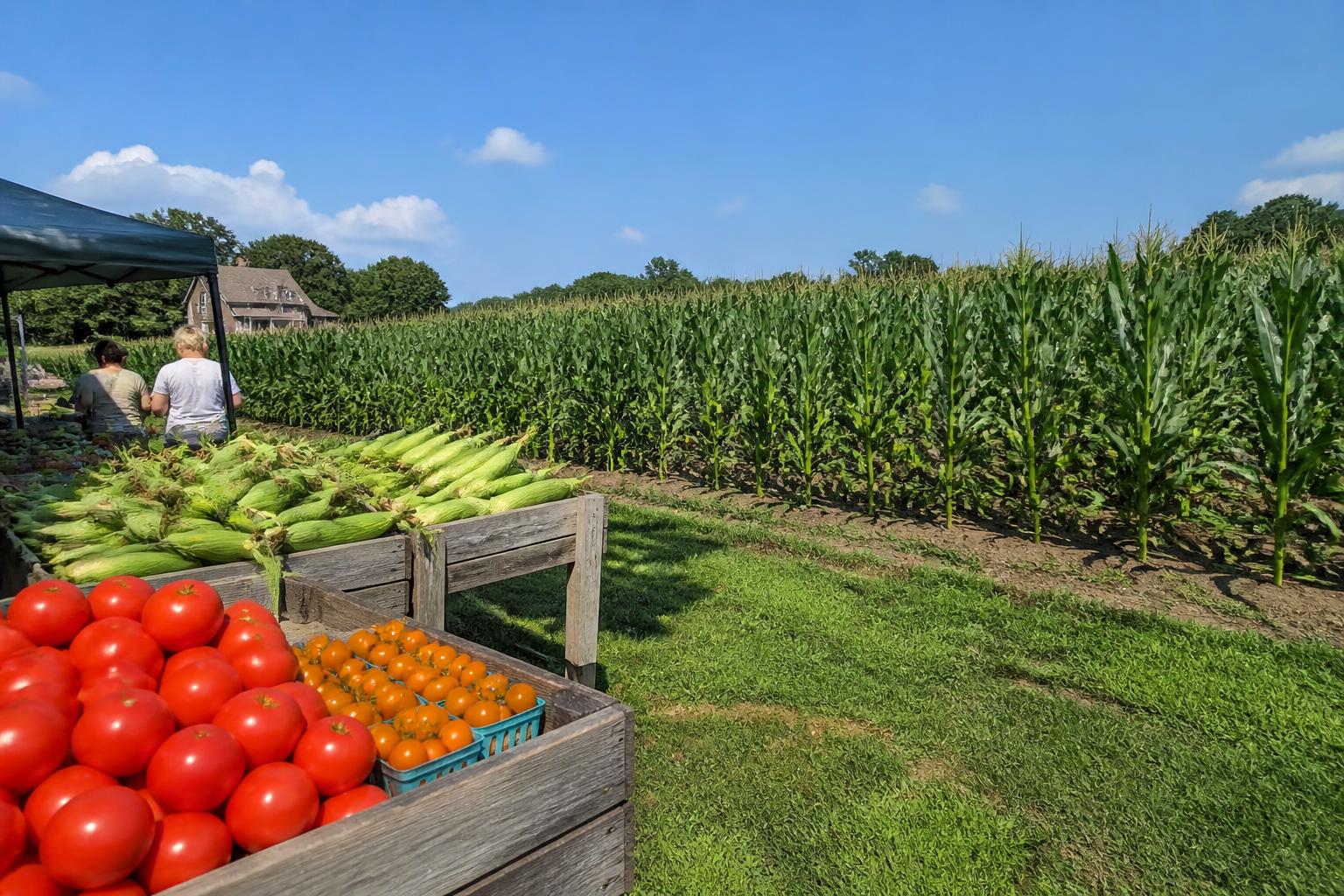
As Connecticut farmers navigate a volatile market characterized by shifting supply costs and labor constraints, strategic resource management has become essential for maintaining profitability.
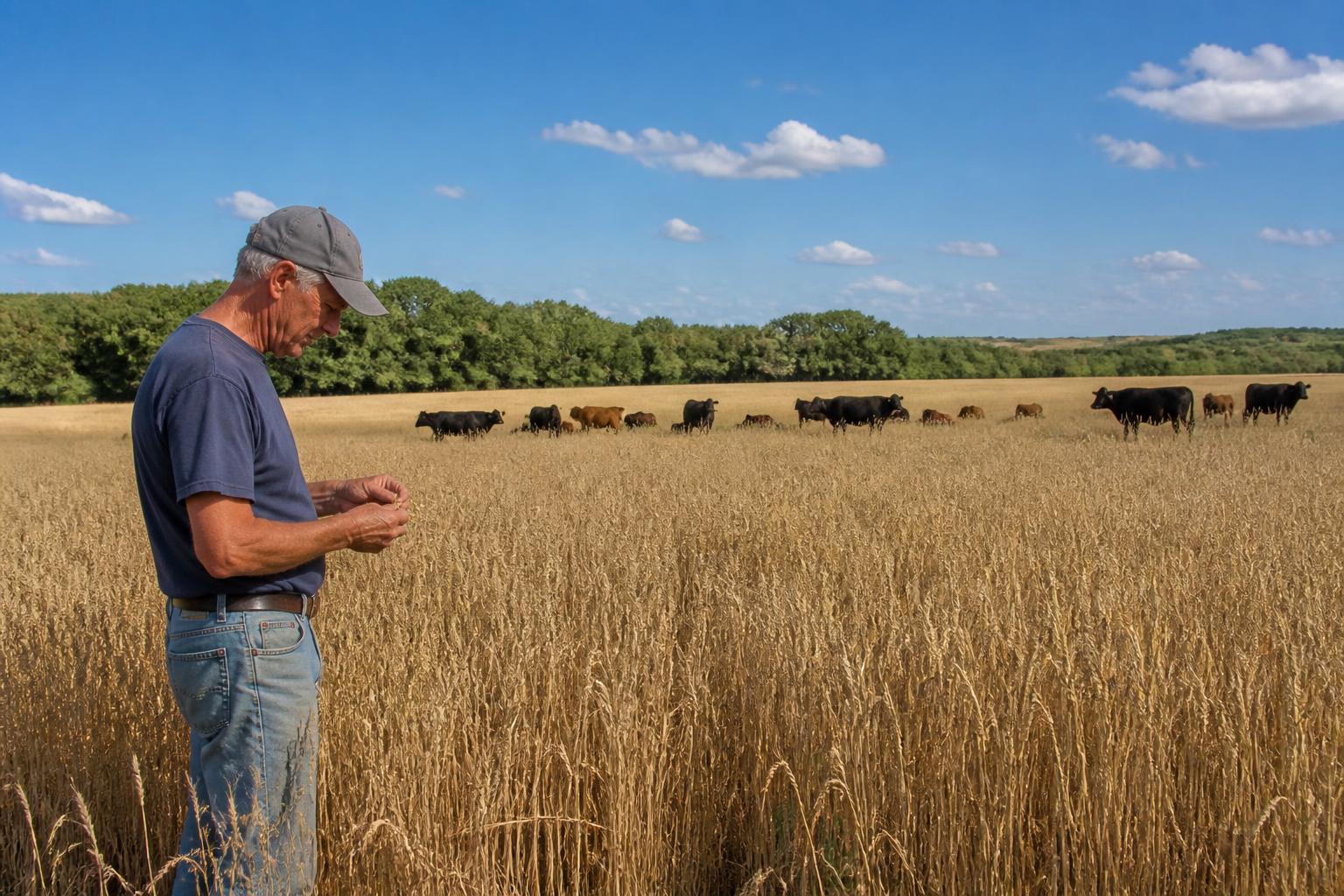
While timely summer rains provided a much-needed boost to Oregon's wheat production, growers continue to face a challenging market environment.
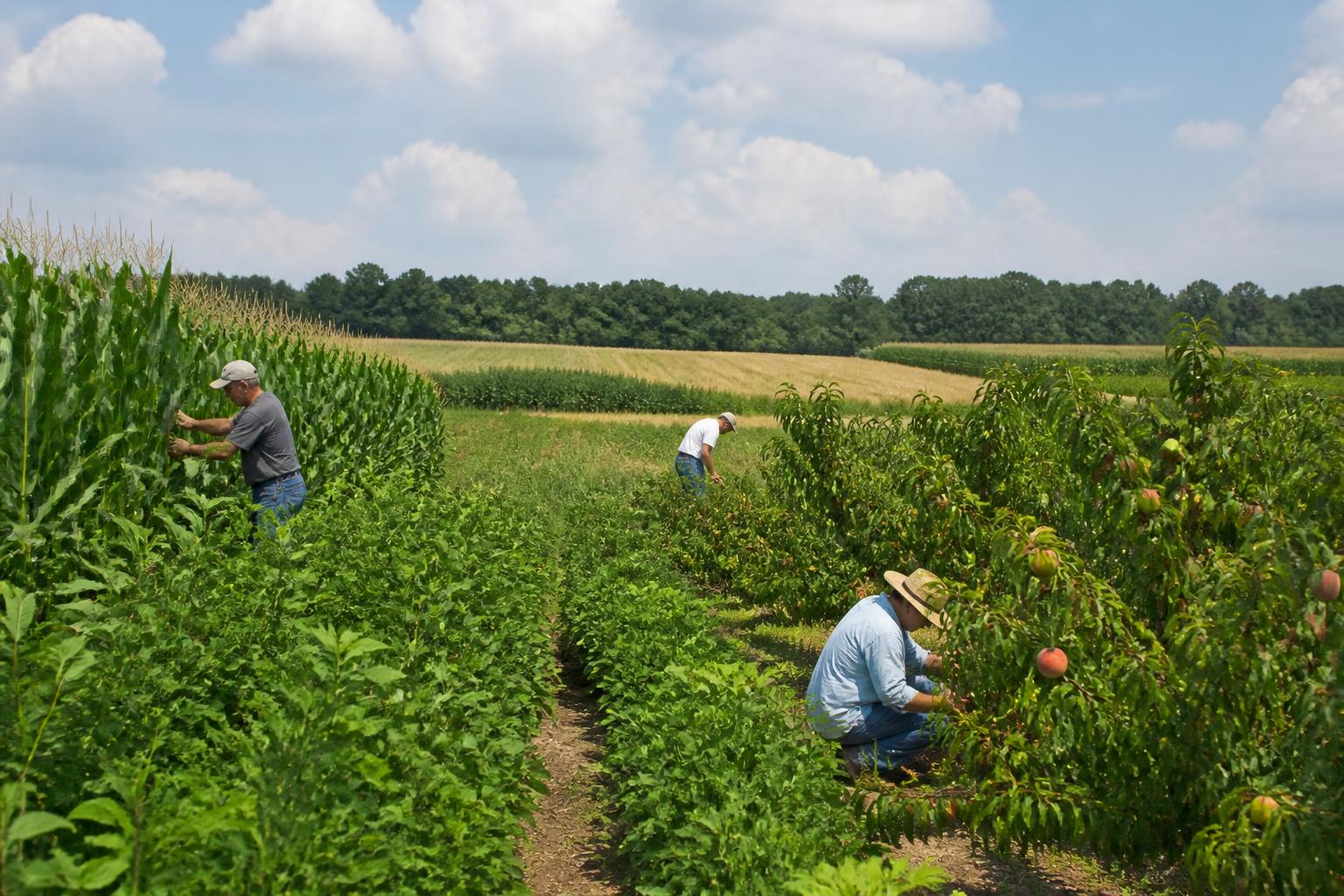
As New Jersey moves deeper into the summer season, growers and grain handlers are monitoring regional crop conditions and shifting logistical demands.
Sign in to manage requests, save contacts and respond to market offers quickly.
Continue with Google Continue with MicrosoftSign in to manage requests, save contacts and respond to market offers quickly.
Continue with Google Continue with MicrosoftEnter your email and we will send a password reset link.
Don't have an account?
We value your privacy
We use cookies to run the site and, with your consent, to measure traffic (Google Analytics) and personalize ads. You can accept, reject, or choose. Privacy Policy