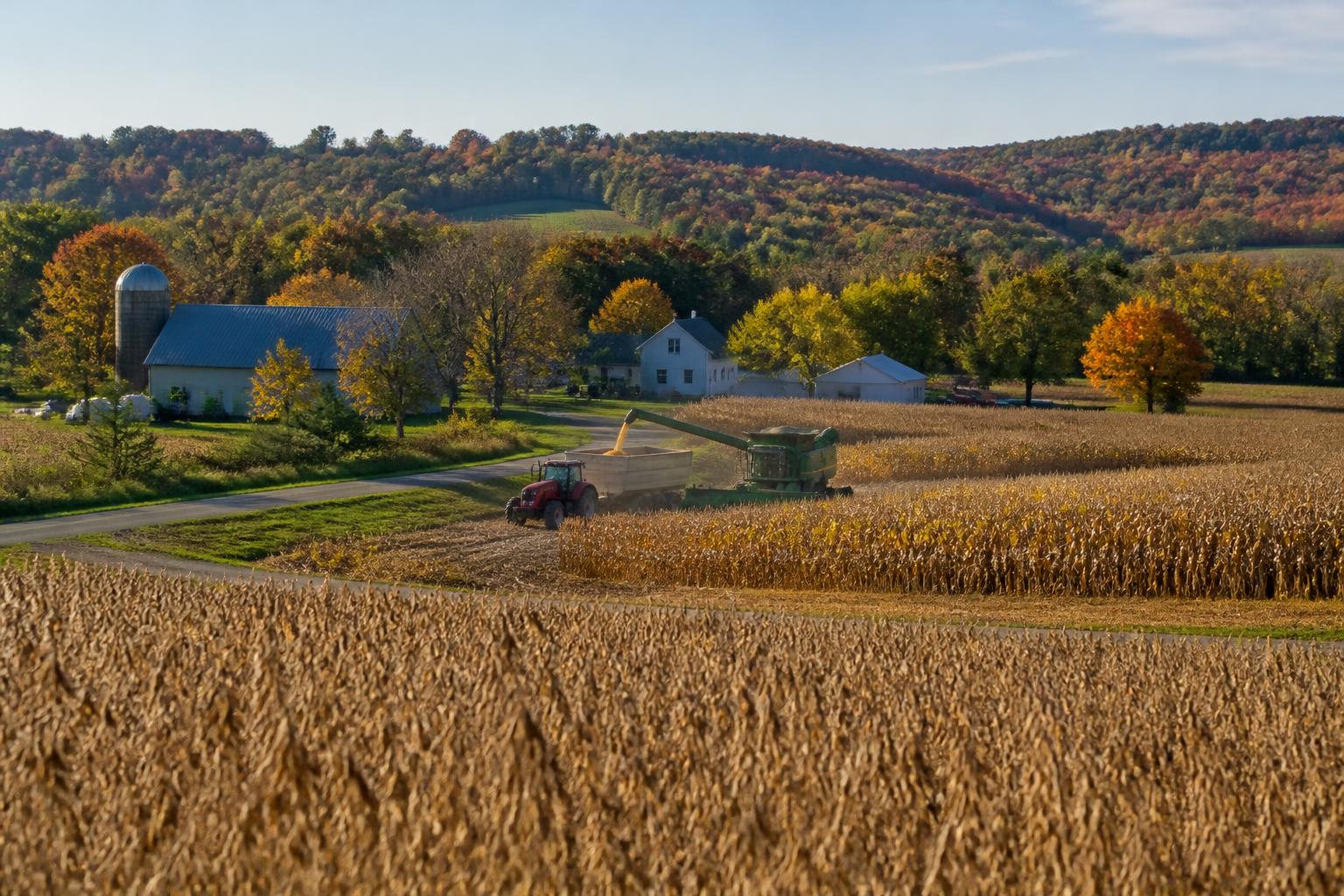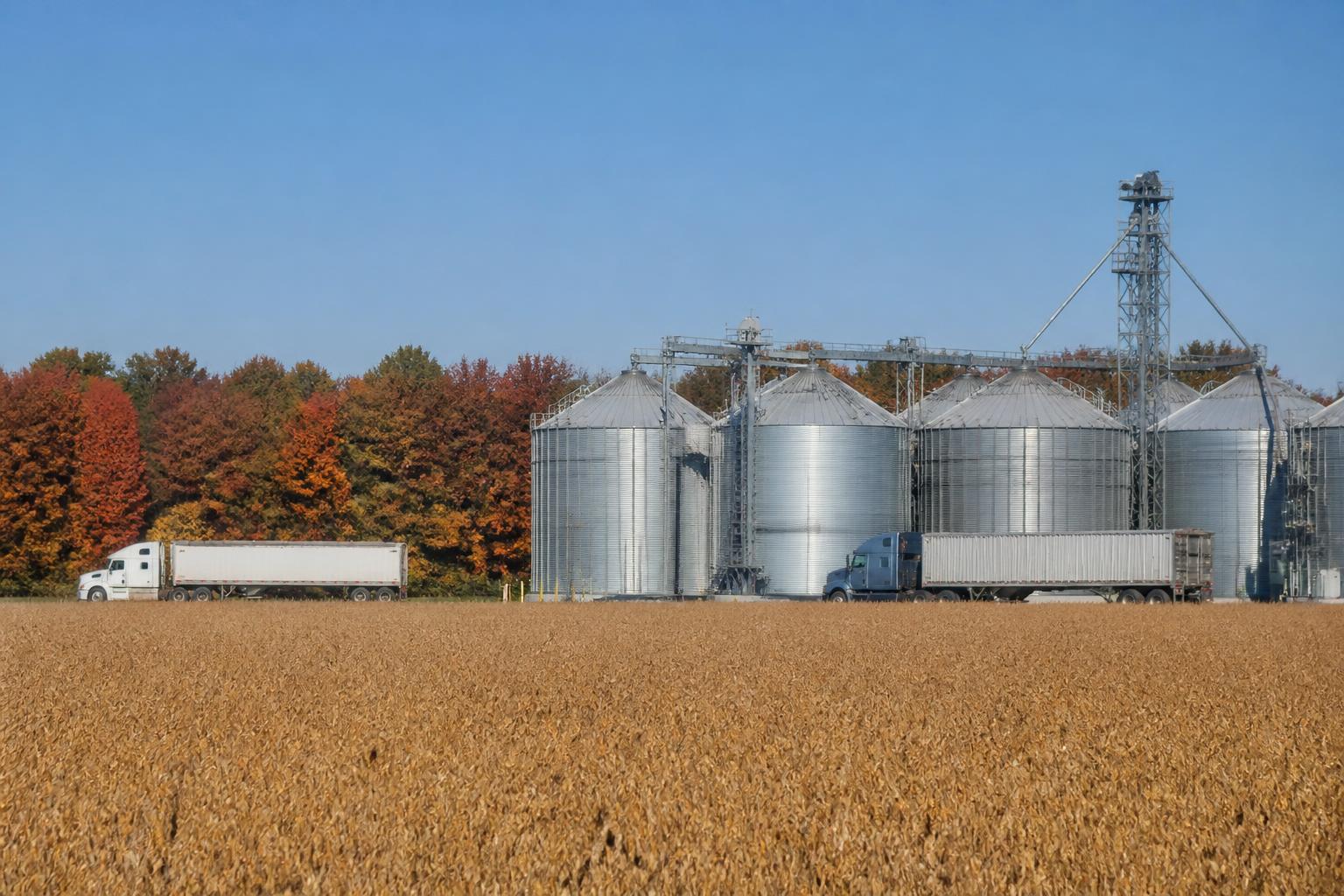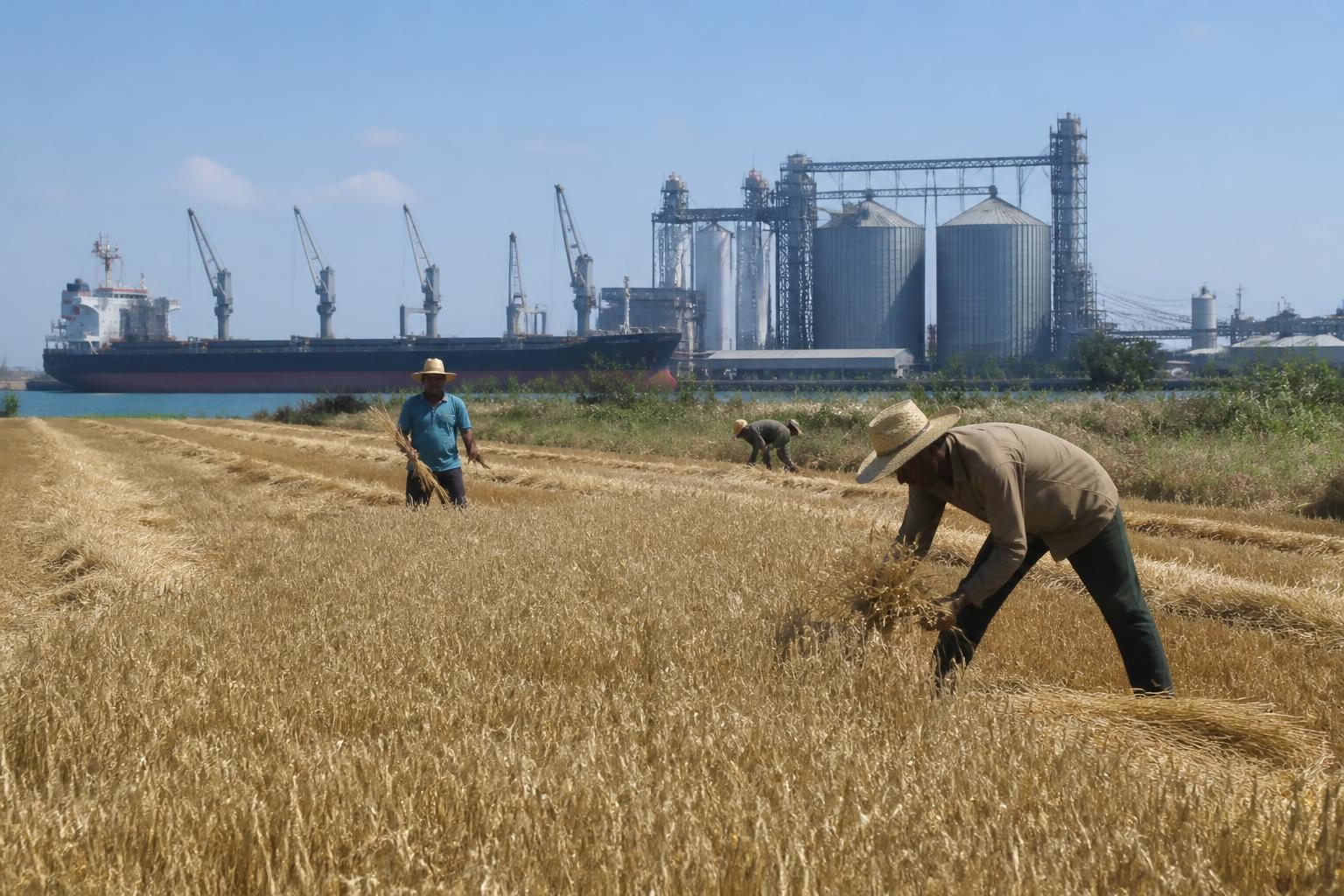
Maine Grain Harvest: Managing Quality in a Fluctuating Season
As Maine's harvest progresses this fall, farmers are prioritizing grain quality and storage integrity amid shifting environmental conditions.
We collect original digests and analytical notes based on facts, market signals and verified sources.
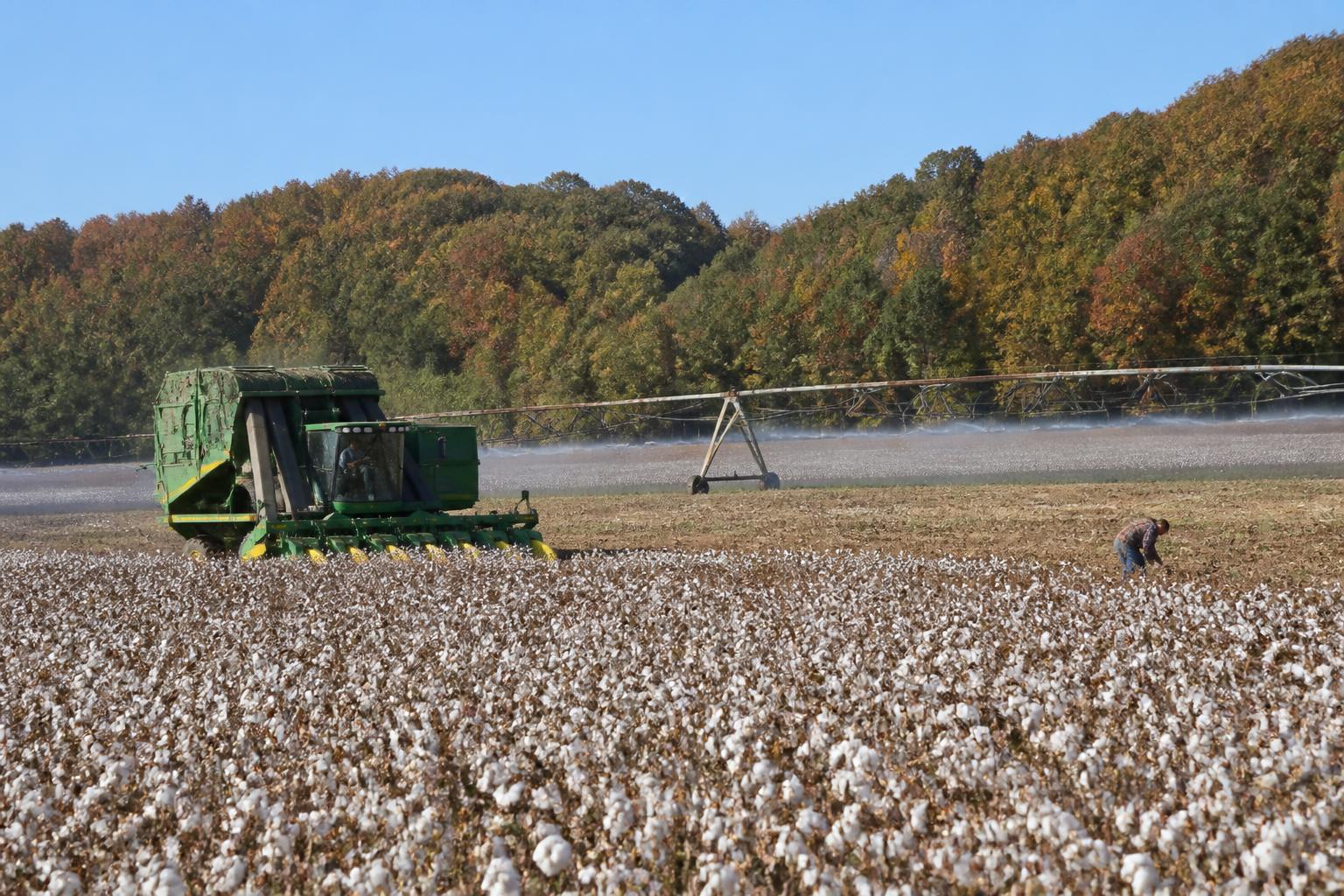
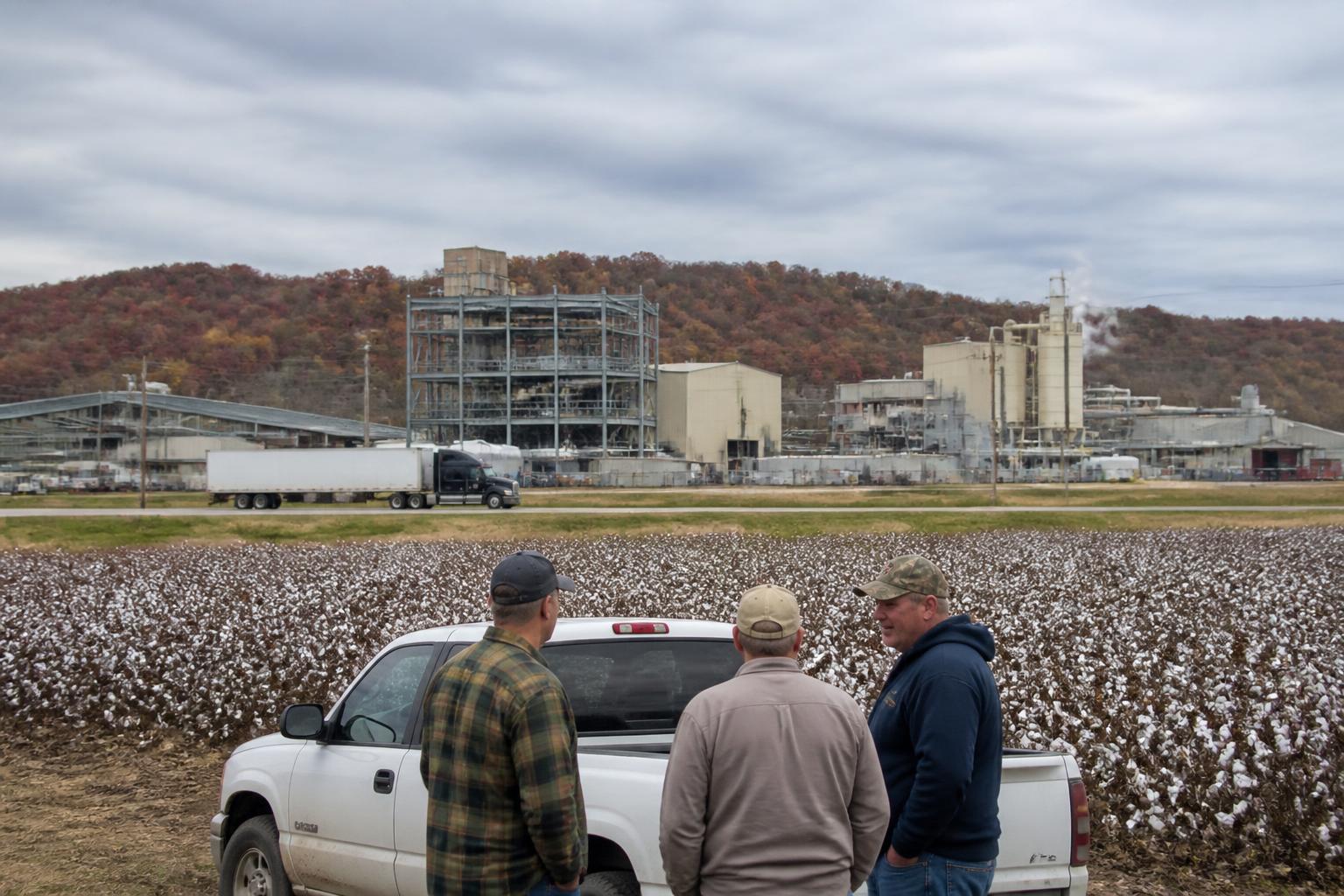
Arkansas farmers are balancing rising input costs and shifting crop trends as the state navigates a complex agricultural landscape heading into the end of 2026.
As Maine's harvest progresses this fall, farmers are prioritizing grain quality and storage integrity amid shifting environmental conditions.
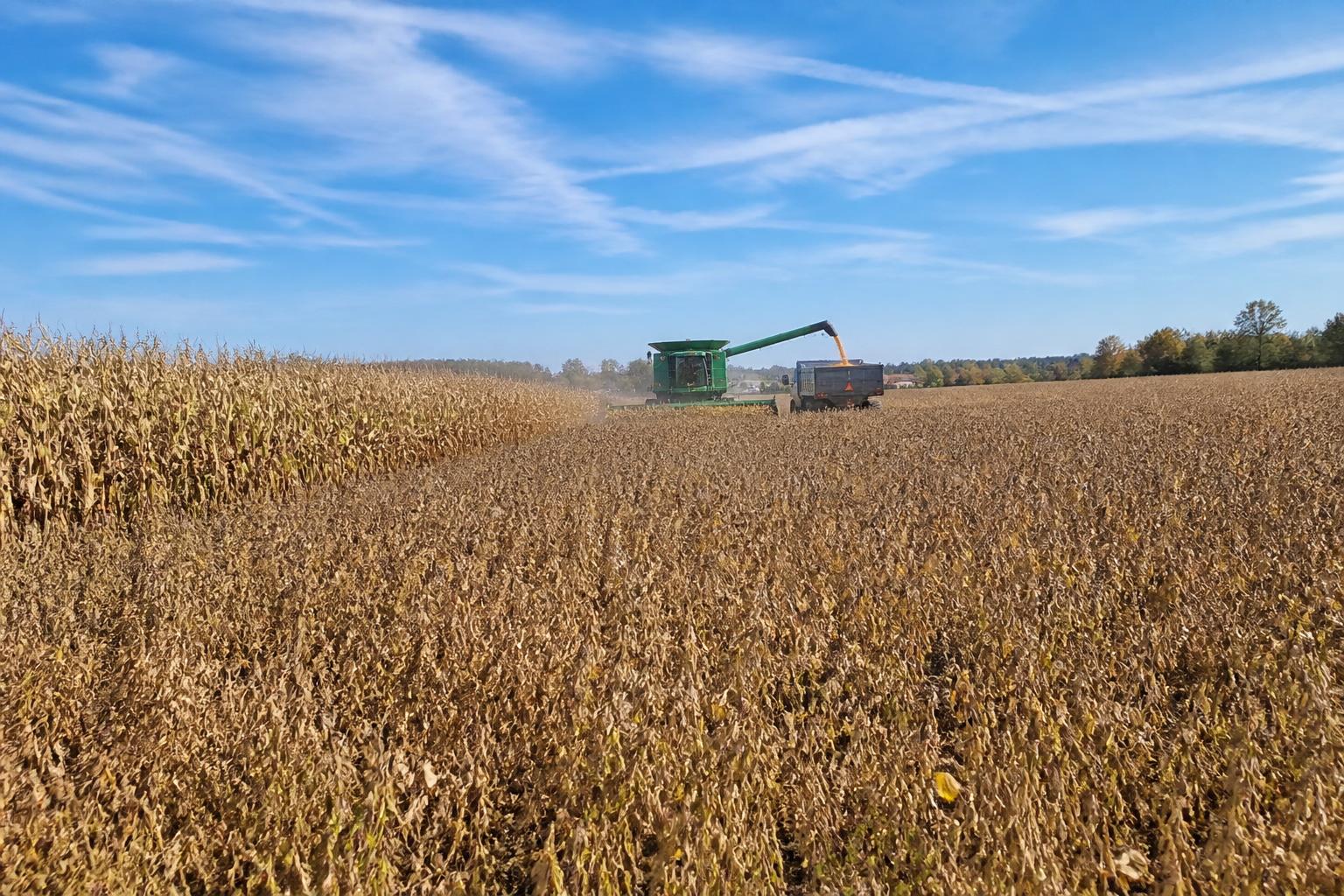
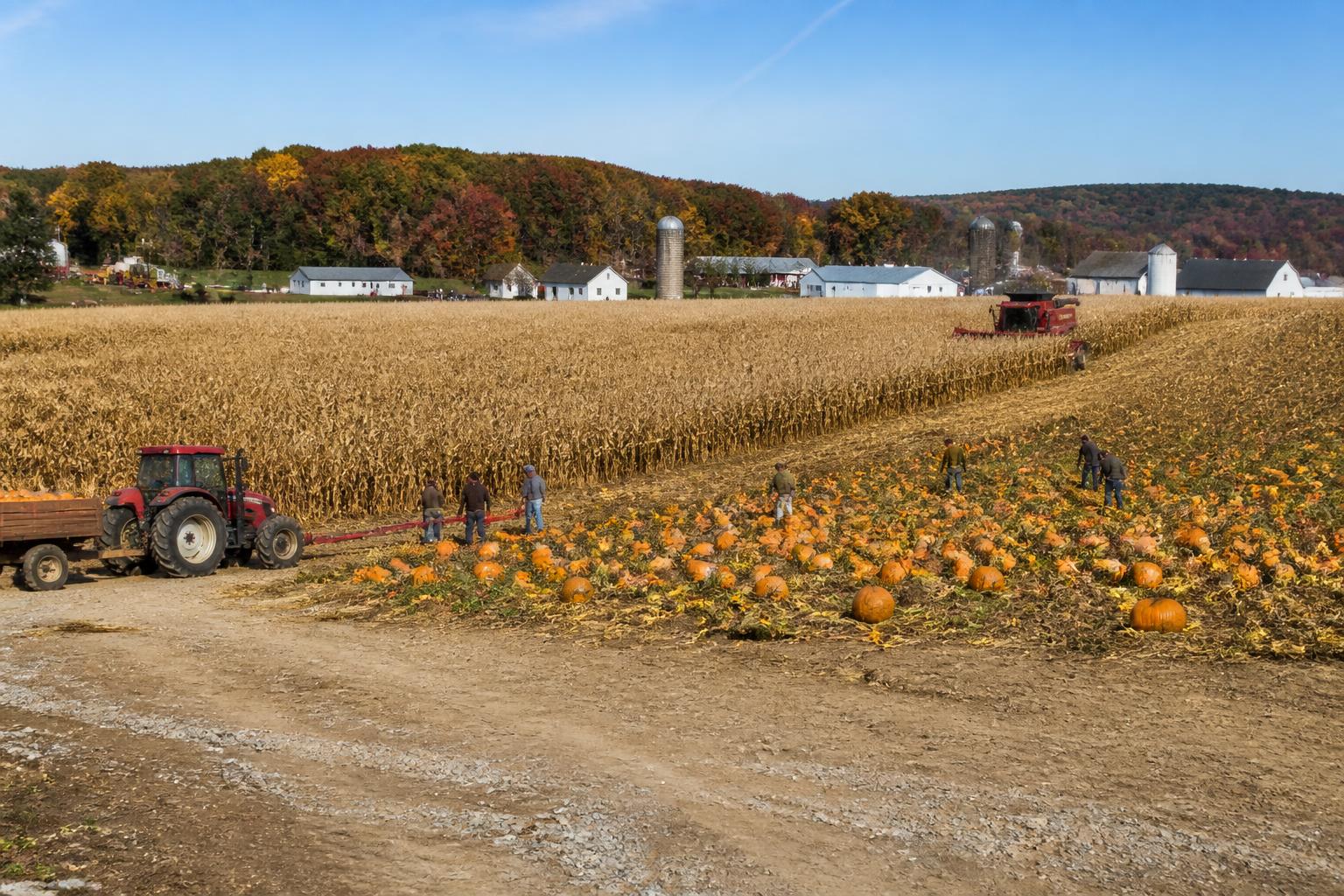
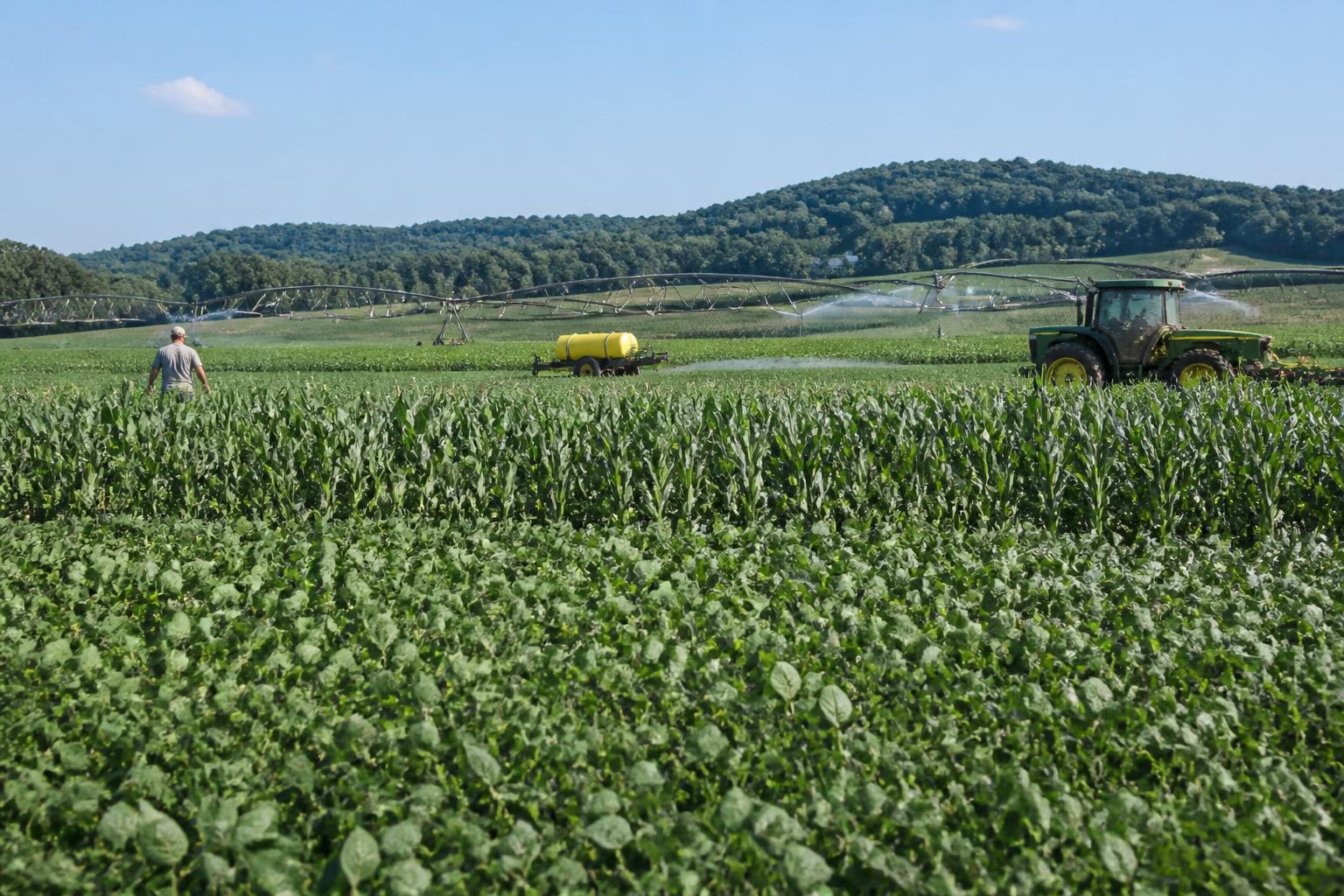
As Wisconsin producers wrap up a rapid harvest season, the focus shifts to balancing operational efficiency with ongoing environmental stewardship and pollinator protection initiatives.
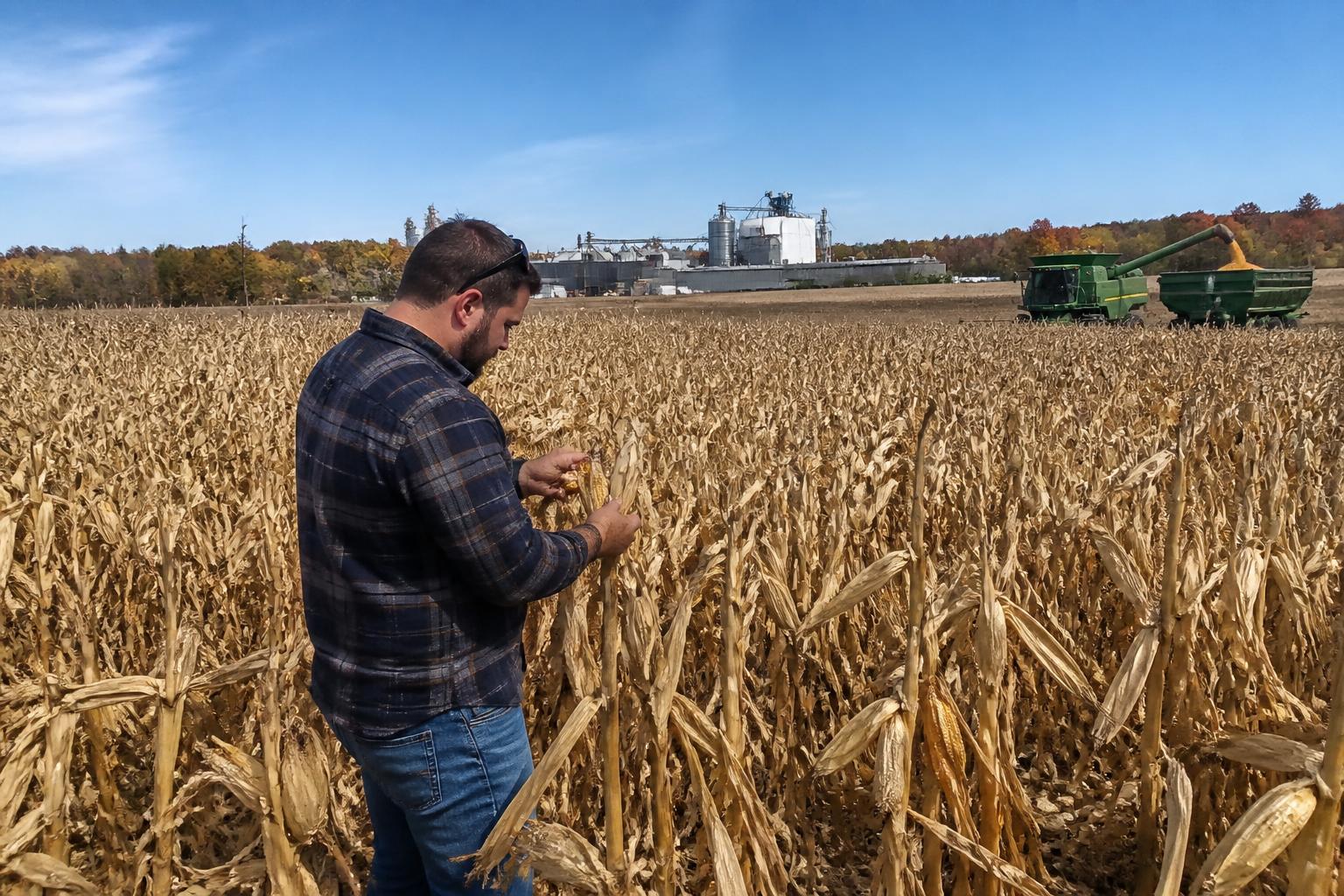
With tar spot confirmed across dozens of Wisconsin counties, producers are balancing harvest logistics against the need to protect grain quality and manage regional yield variability.
As fall field work approaches in Montana, growers are balancing evolving soil nutrition strategies with supply chain logistics to prepare for the next production cycle.
As fall approaches in Alaska, producers must prioritize adaptive crop management and long-term soil health to mitigate the unique logistical and environmental challenges of the region.
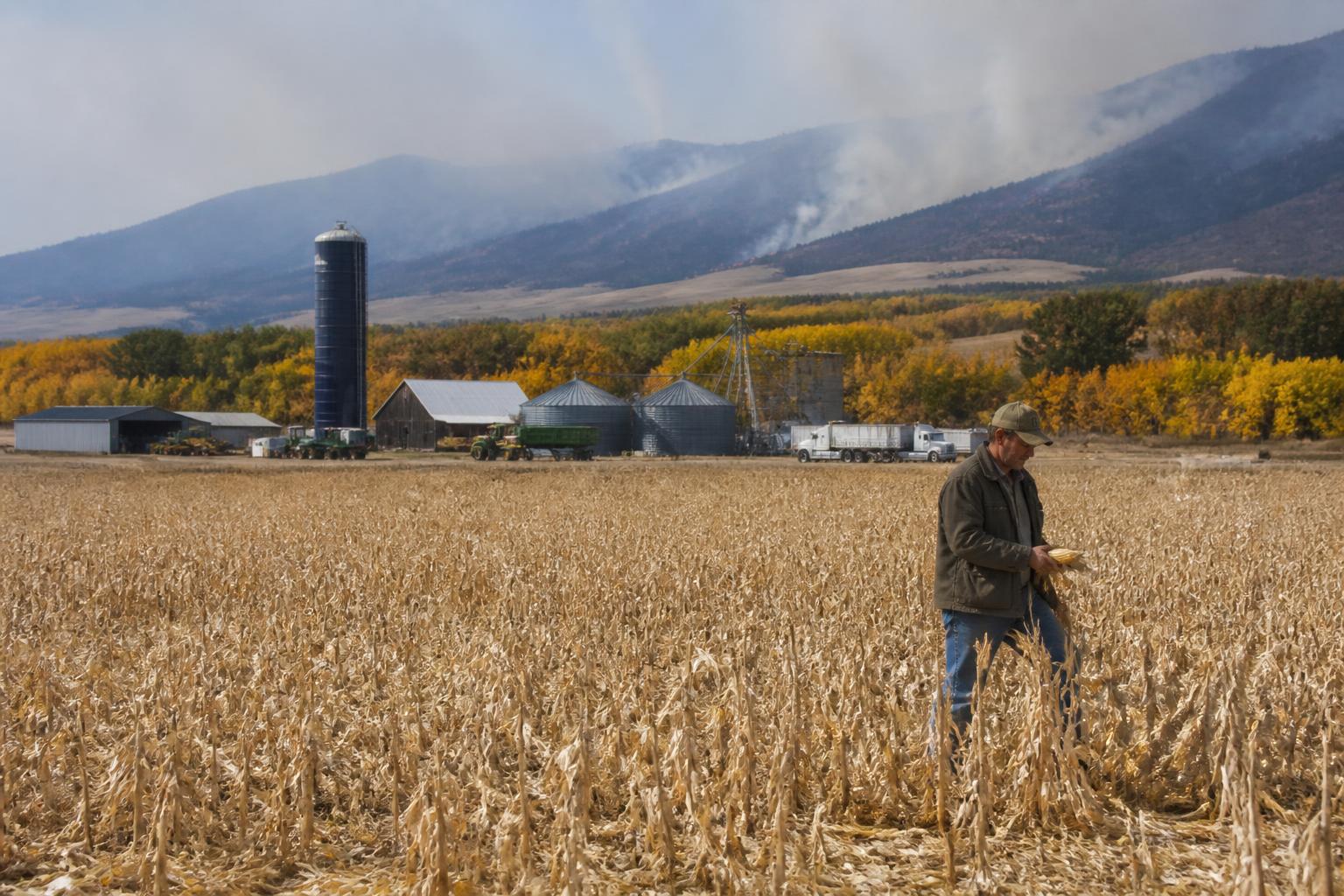
As harvest operations accelerate across Montana, regional growers and handlers face the ongoing challenge of maintaining smooth logistics and consistent input supplies.
As Alaska moves into the heart of the fall harvest, producers are focusing on protective measures and innovative infrastructure to secure yields against tightening seasonal shifts.
As the Alabama harvest season begins, producers are balancing field moisture levels with critical grain bin preparations and storage security.
As the agricultural season peaks in Vermont, producers face evolving challenges in supply chain access, ranging from shifting processing capacities to new opportunities in local food distribution.
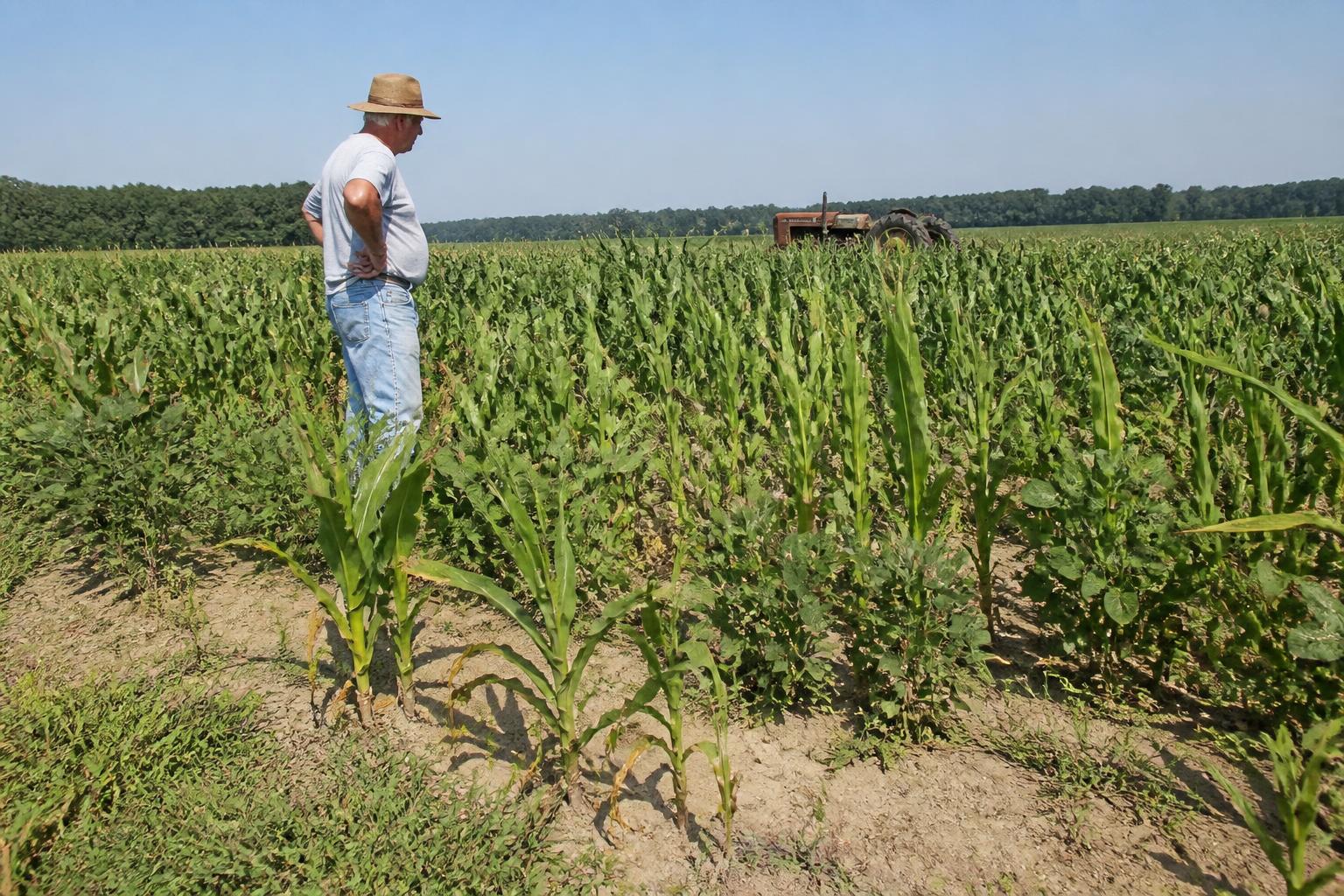
Georgia farmers are navigating a challenging late-summer period as high fertilizer and fuel costs coincide with softening demand, impacting overall profitability.
Utah farmers are navigating a complex grain market influenced by persistent global price volatility and local production challenges, even as they look toward harvest.
As Tennessee producers move through the mid-summer season, recent agricultural budget shifts and regional logistics remain key factors for farmers managing soil health and nutrient inputs.
Sign in to manage requests, save contacts and respond to market offers quickly.
Continue with Google Continue with MicrosoftSign in to manage requests, save contacts and respond to market offers quickly.
Continue with Google Continue with MicrosoftEnter your email and we will send a password reset link.
Don't have an account?
We value your privacy
We use cookies to run the site and, with your consent, to measure traffic (Google Analytics) and personalize ads. You can accept, reject, or choose. Privacy Policy