Wisconsin Harvest Logistics: Managing Infrastructure and Transit Flow
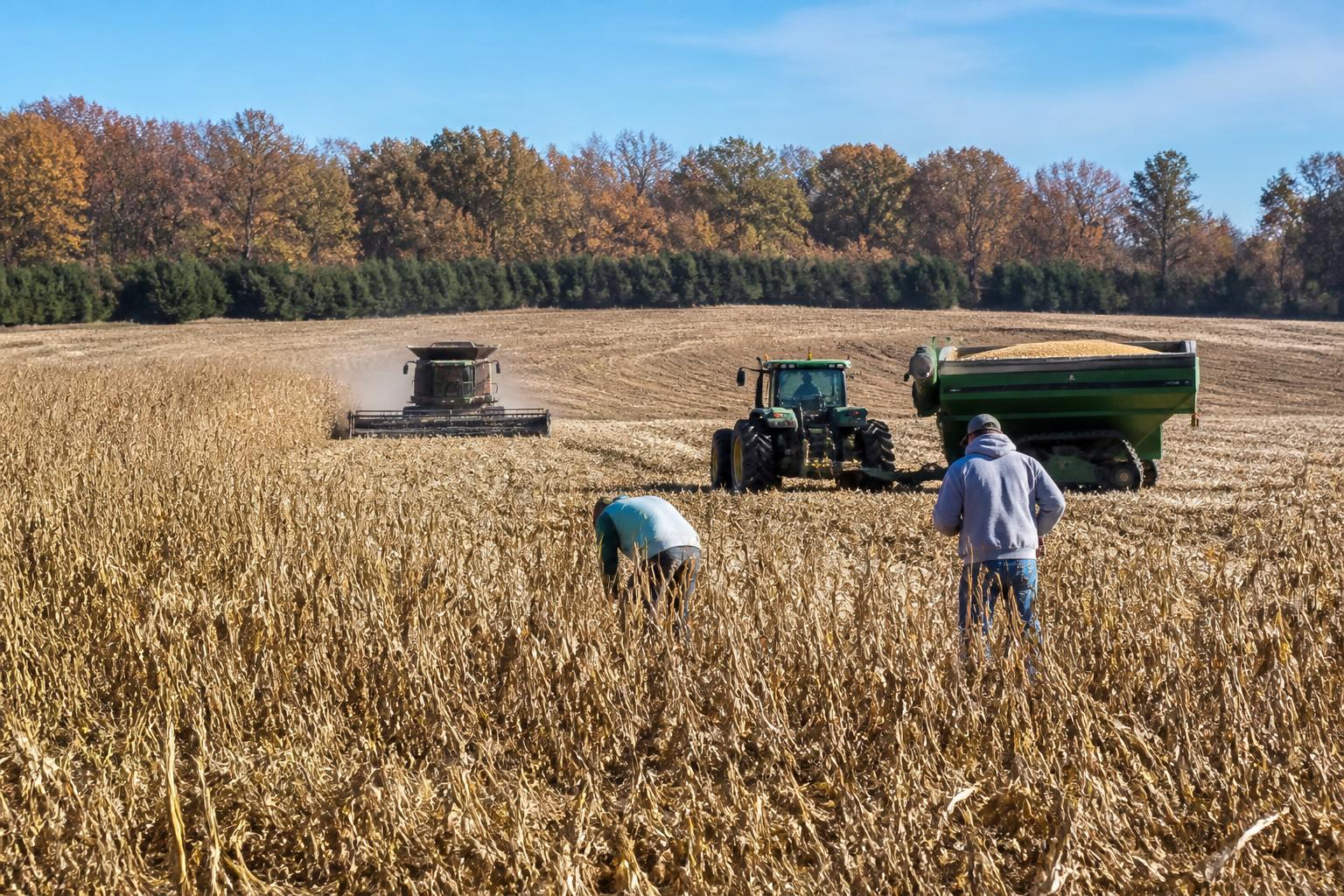
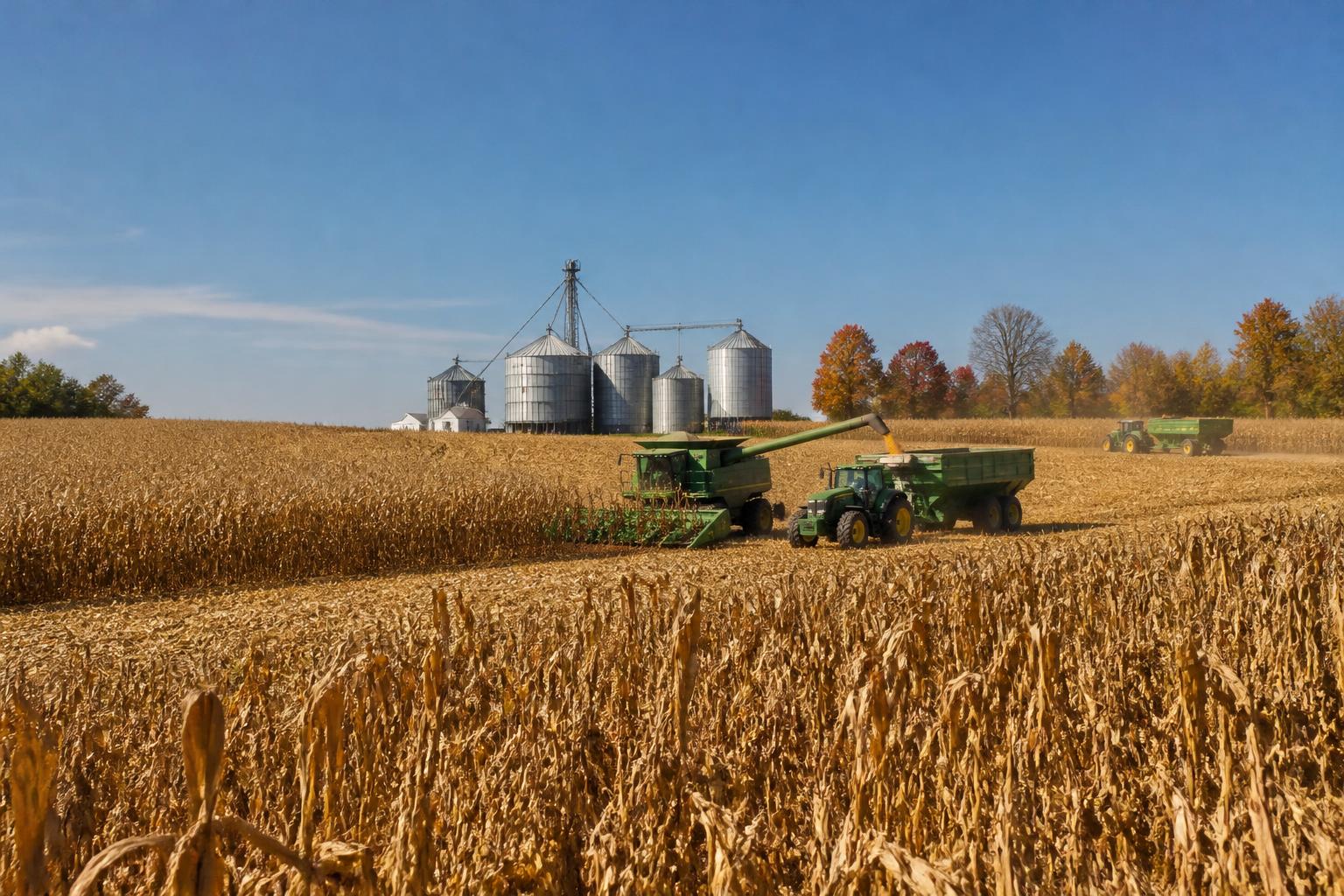
As fall harvest activities accelerate across Wisconsin, farmers and transporters must balance increased road traffic with ongoing rural infrastructure improvements.
We collect original digests and analytical notes based on facts, market signals and verified sources.
As Tennessee harvests approach peak activity, growers and carriers are managing logistics to ensure timely movement of crops from the field to local elevators.
As fall harvest activities accelerate across Wisconsin, farmers and transporters must balance increased road traffic with ongoing rural infrastructure improvements.
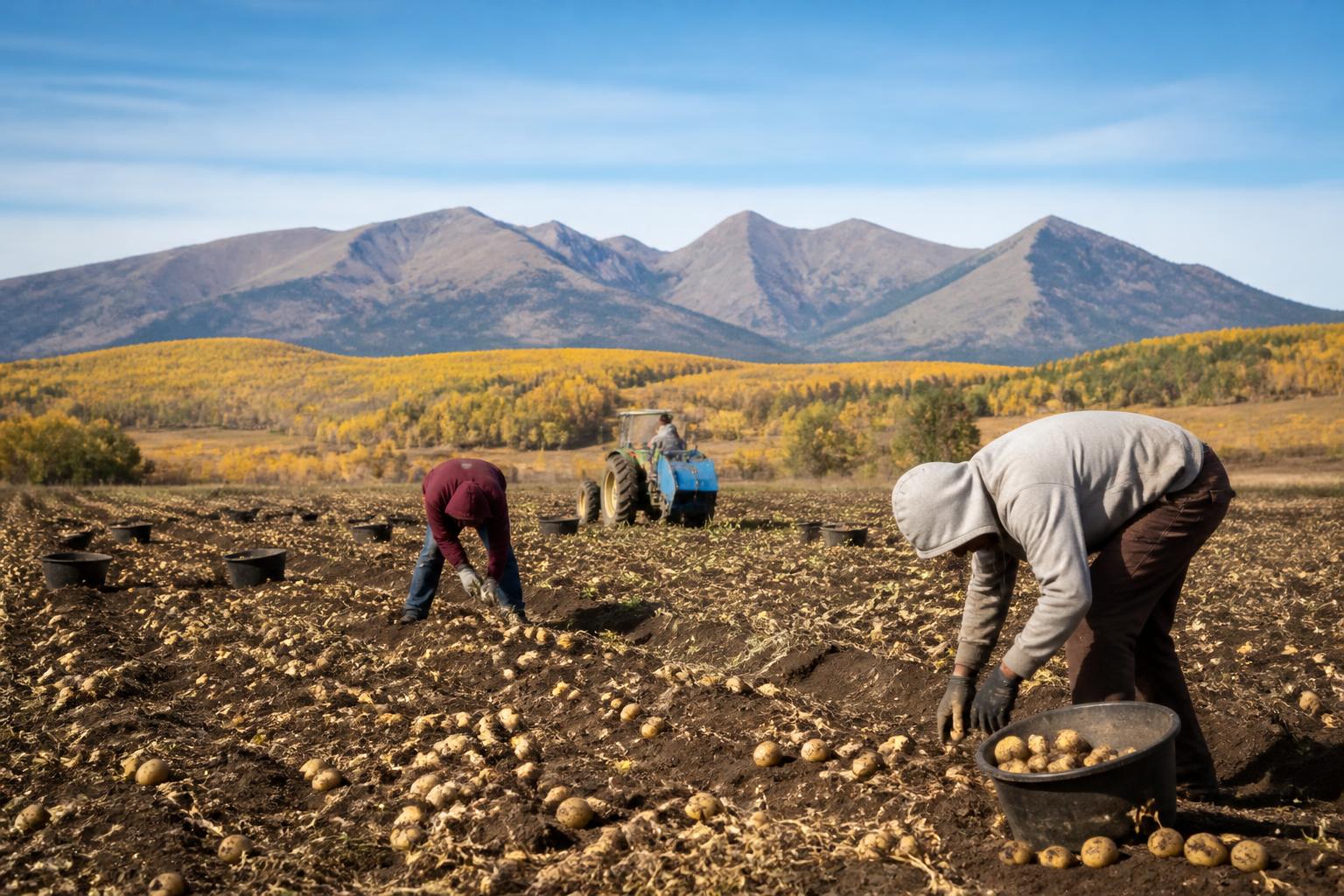
Colorado agricultural producers are currently managing a complex landscape of labor disruptions, water policy challenges, and ongoing concerns regarding federal trade and research support.
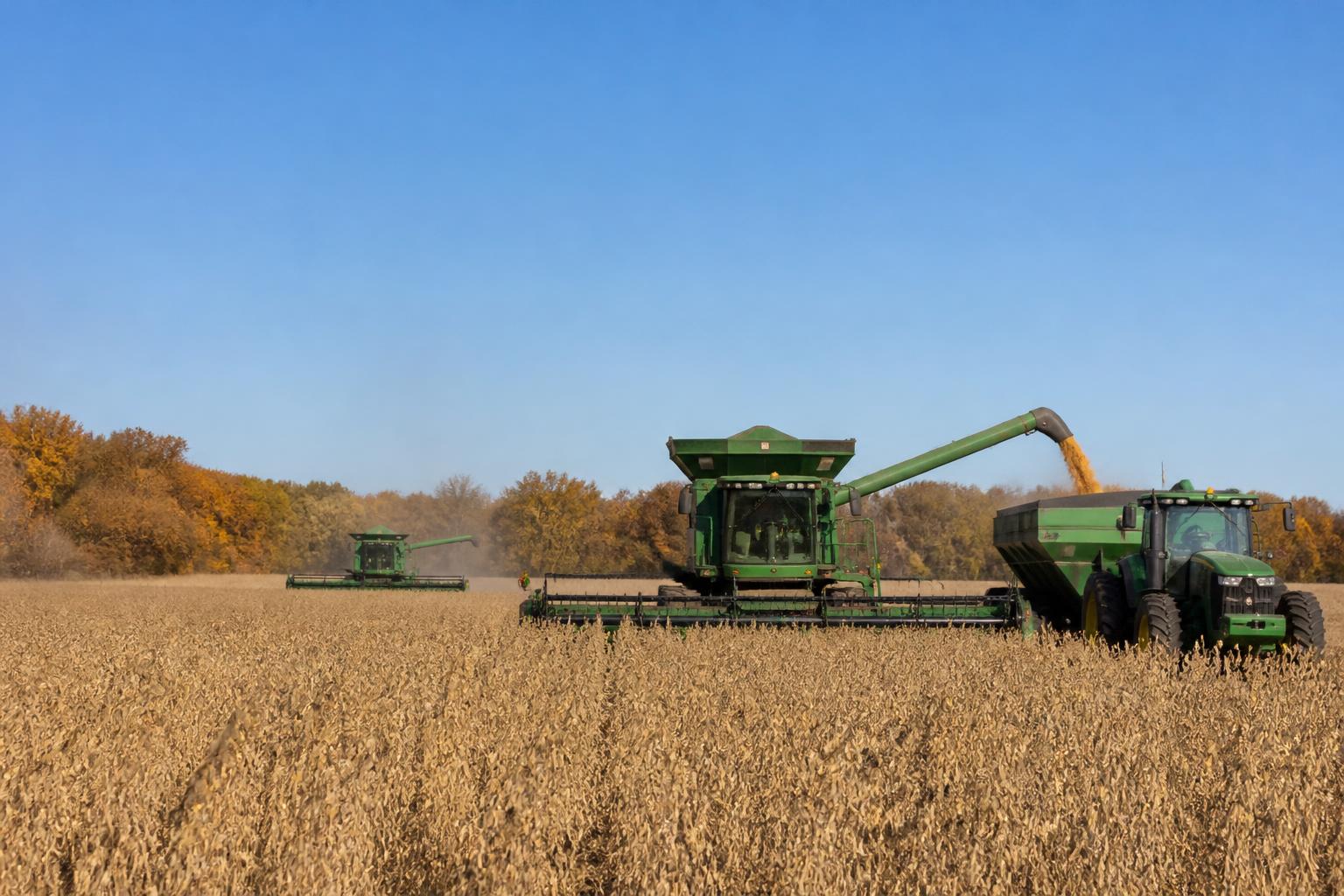
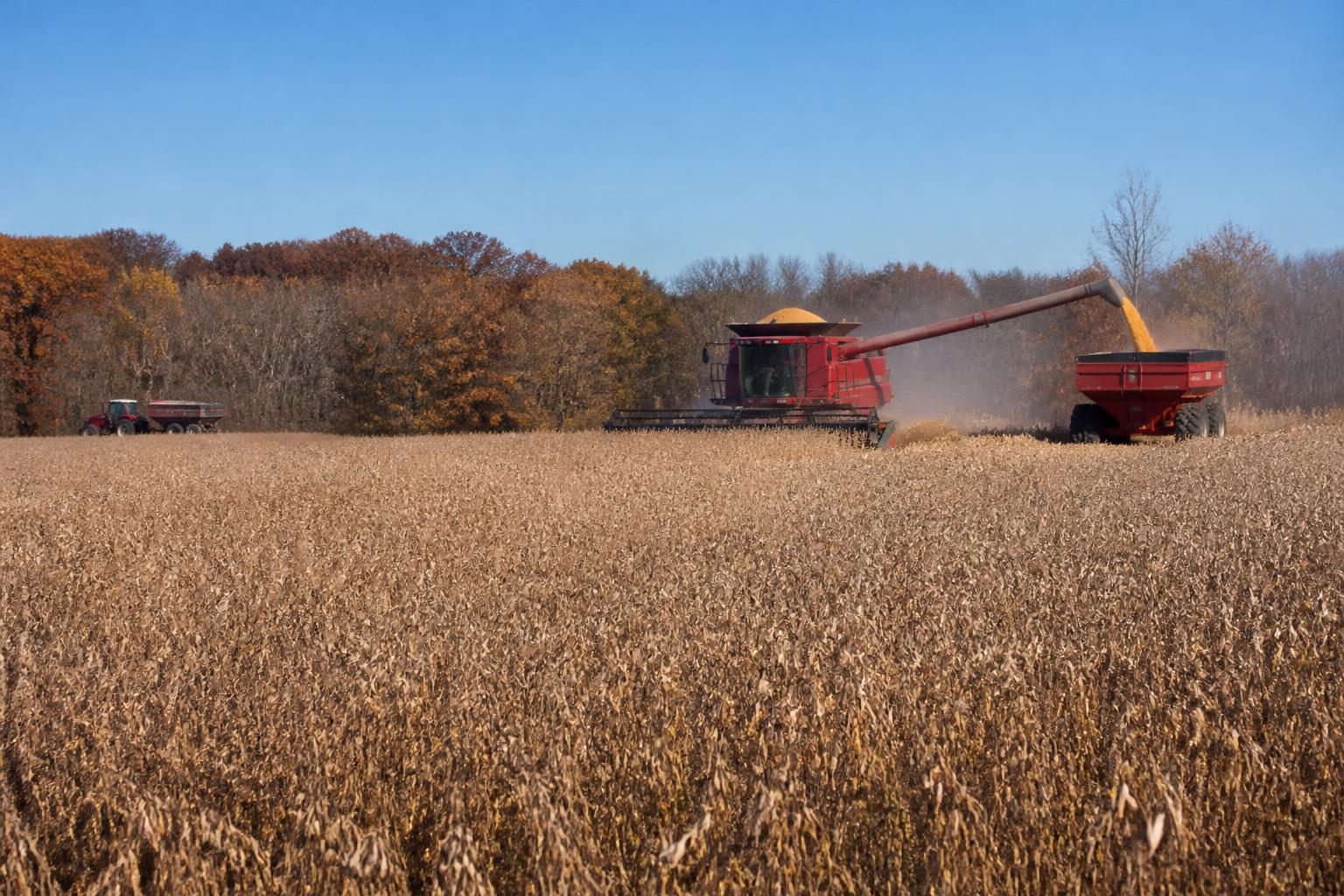
As Wisconsin producers push through the fall harvest, maintaining efficient transportation flows and navigating shifting terminal demands remains a priority for regional agribusinesses.
While recent USDA reports indicate a modest improvement in Oklahoma wheat conditions, producers continue to face headwinds from sluggish export demand and ongoing global market volatility.
As Nebraska harvest gains momentum, producers face shifting yield expectations and logistical pressures, necessitating a proactive approach to operational planning.
As Tennessee navigates the tail end of the fall season, producers are evaluating how early-year moisture deficits and evolving crop ratings have influenced overall farm performance.
As Missouri producers navigate the late-season harvest, variable field conditions and shifting market margins are prompting a focus on storage and input planning.
As Nebraska producers move through the final stages of the harvest season, market volatility, infrastructure demands, and evolving input trends continue to shape the state's agricultural landscape.
As corn harvest reaches its peak in Kentucky, USDA support for grain storage construction offers a critical lifeline for farmers impacted by recent storm activity.
As Kansas farmers navigate fall field operations, ongoing concerns regarding high diesel prices and regional infrastructure pressures remain at the forefront of operational planning.
As harvest operations move toward completion across Arkansas, producers face localized logistics challenges and the broader impact of soft grain prices.
As Texas producers advance through the fall harvest, grain movement remains a key variable for local elevators and carriers balancing export demand and fluctuating transport costs.
Sign in to manage requests, save contacts and respond to market offers quickly.
Continue with Google Continue with MicrosoftSign in to manage requests, save contacts and respond to market offers quickly.
Continue with Google Continue with MicrosoftEnter your email and we will send a password reset link.
Don't have an account?
We value your privacy
We use cookies to run the site and, with your consent, to measure traffic (Google Analytics) and personalize ads. You can accept, reject, or choose. Privacy Policy