Arizona Ag Logistics: Navigating Evolving Border and Operational Challenges
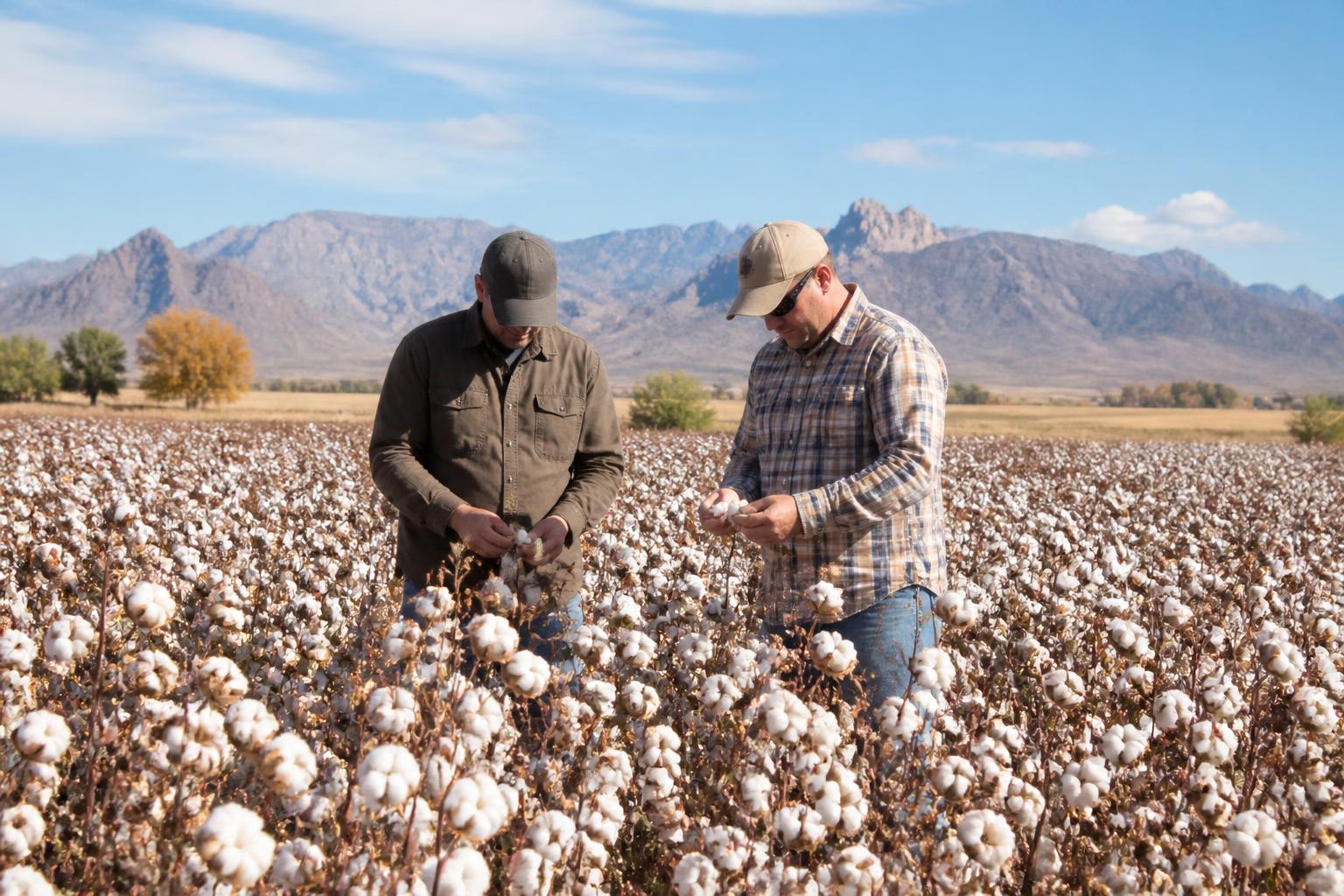
Arizona producers and logistics operators face increasing pressure from infrastructure gaps at ports of entry, alongside shifting market cost structures.
We collect original digests and analytical notes based on facts, market signals and verified sources.
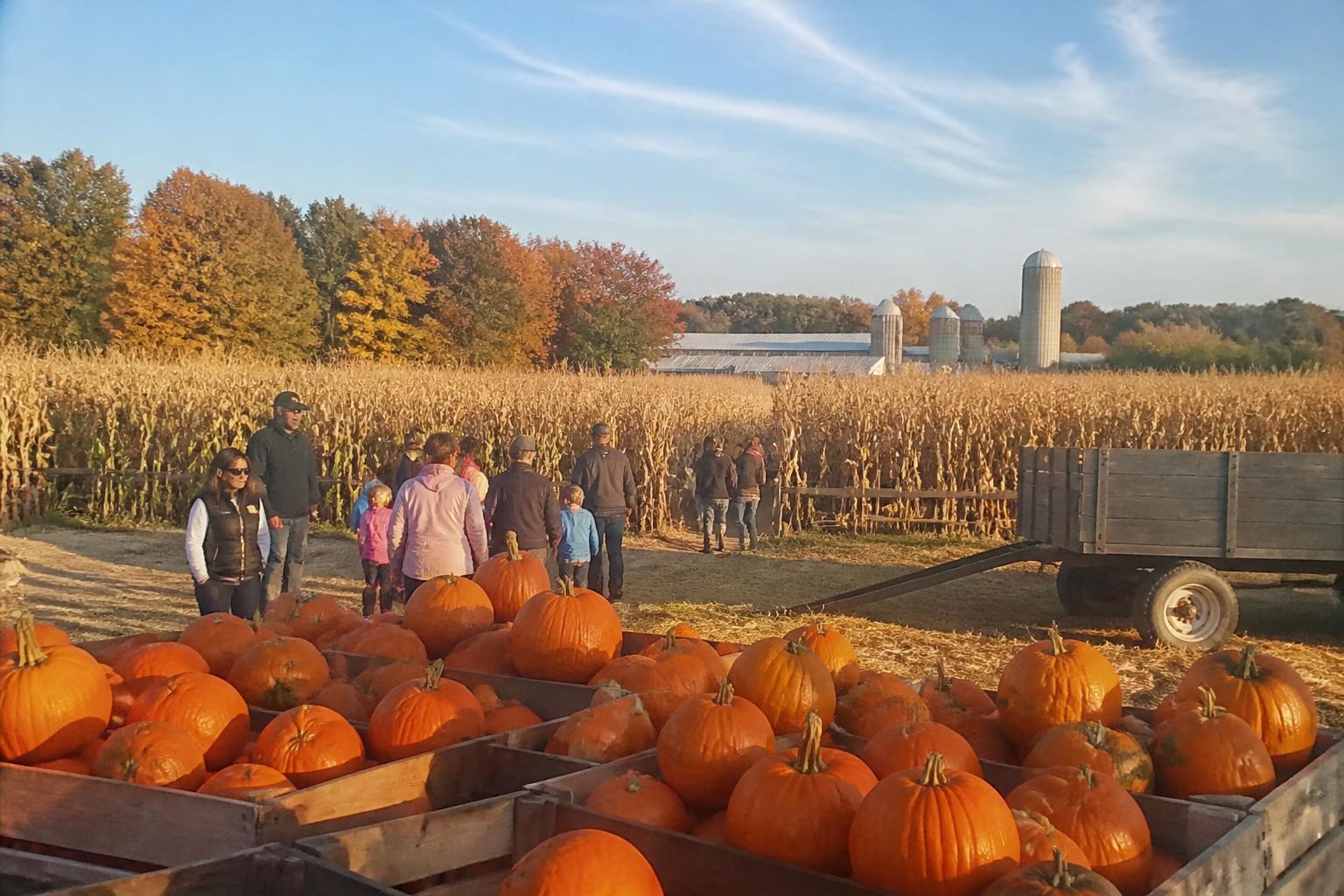
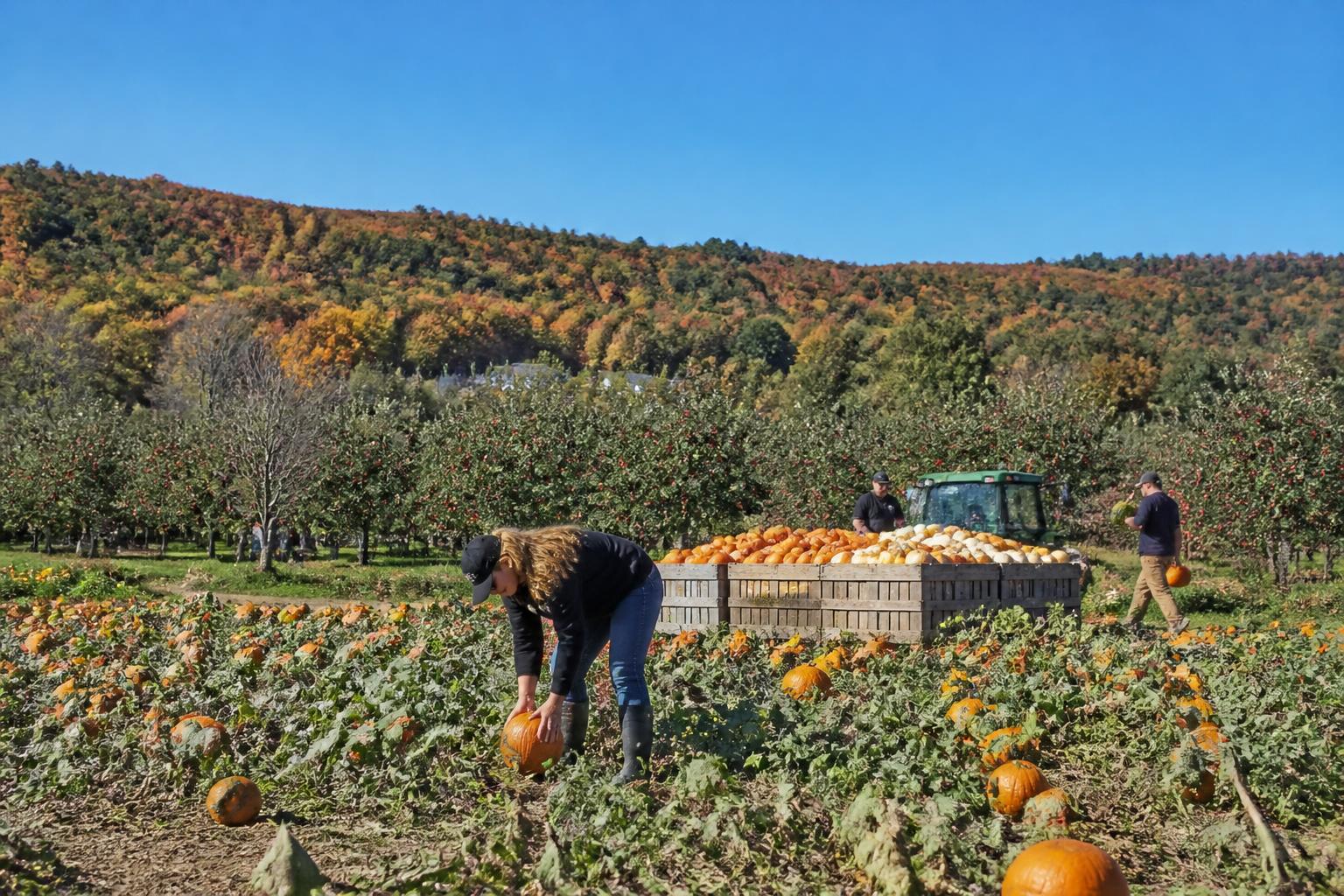
As Massachusetts producers wrap up fall harvests, careful coordination of transportation and storage remains critical to maintaining quality and market access.
Arizona producers and logistics operators face increasing pressure from infrastructure gaps at ports of entry, alongside shifting market cost structures.
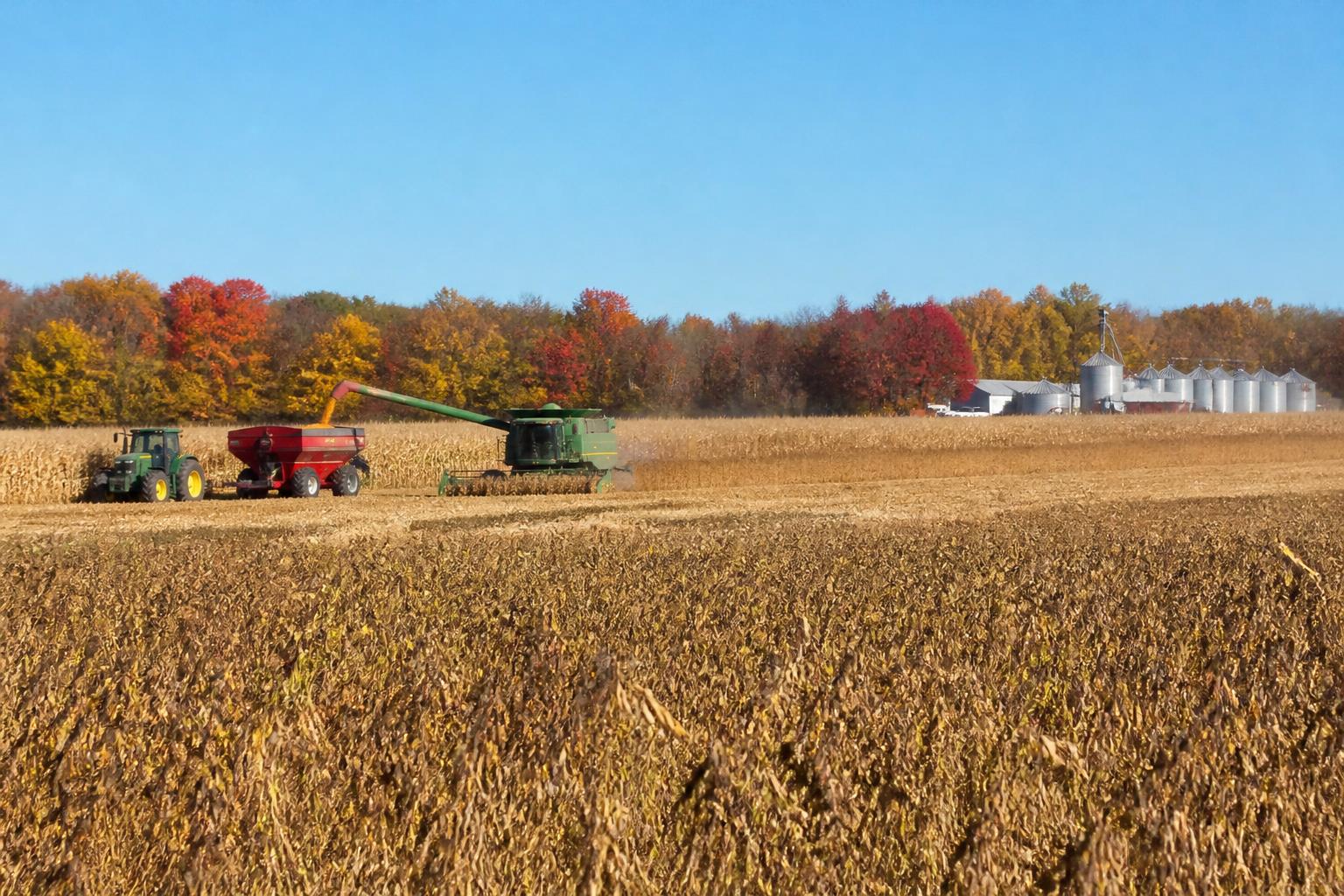
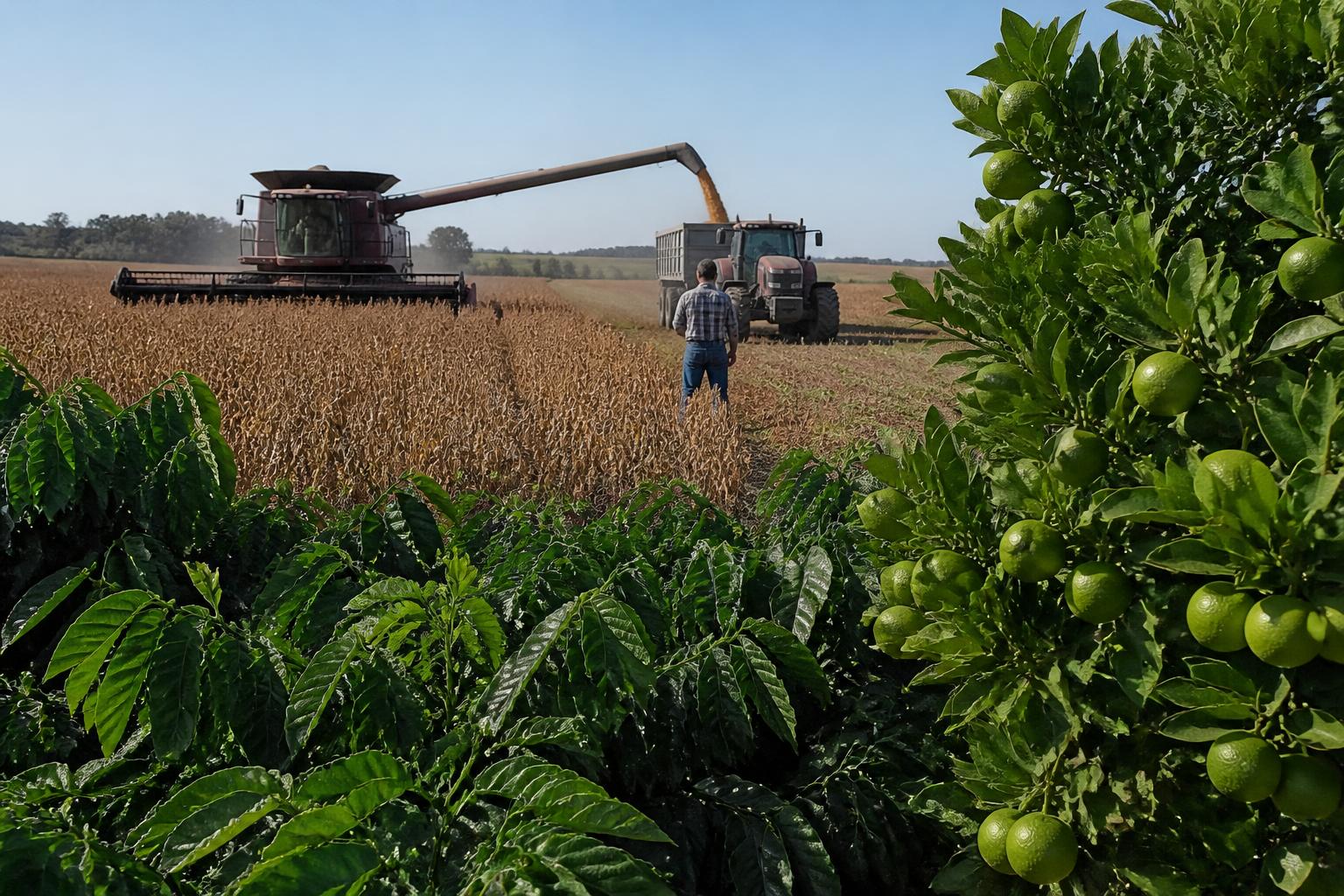
As fall harvest activities peak, Louisiana producers are managing mixed grain basis levels and evolving supply chain logistics while looking toward long-term infrastructure and specialty crop support.
Increasing consumer demand for locally grown crops in Massachusetts is putting significant pressure on existing agricultural processing infrastructure.
As global crop protection manufacturers diversify supply chains away from China, New Mexico producers should stay informed on evolving input costs and availability during the fall planning season.
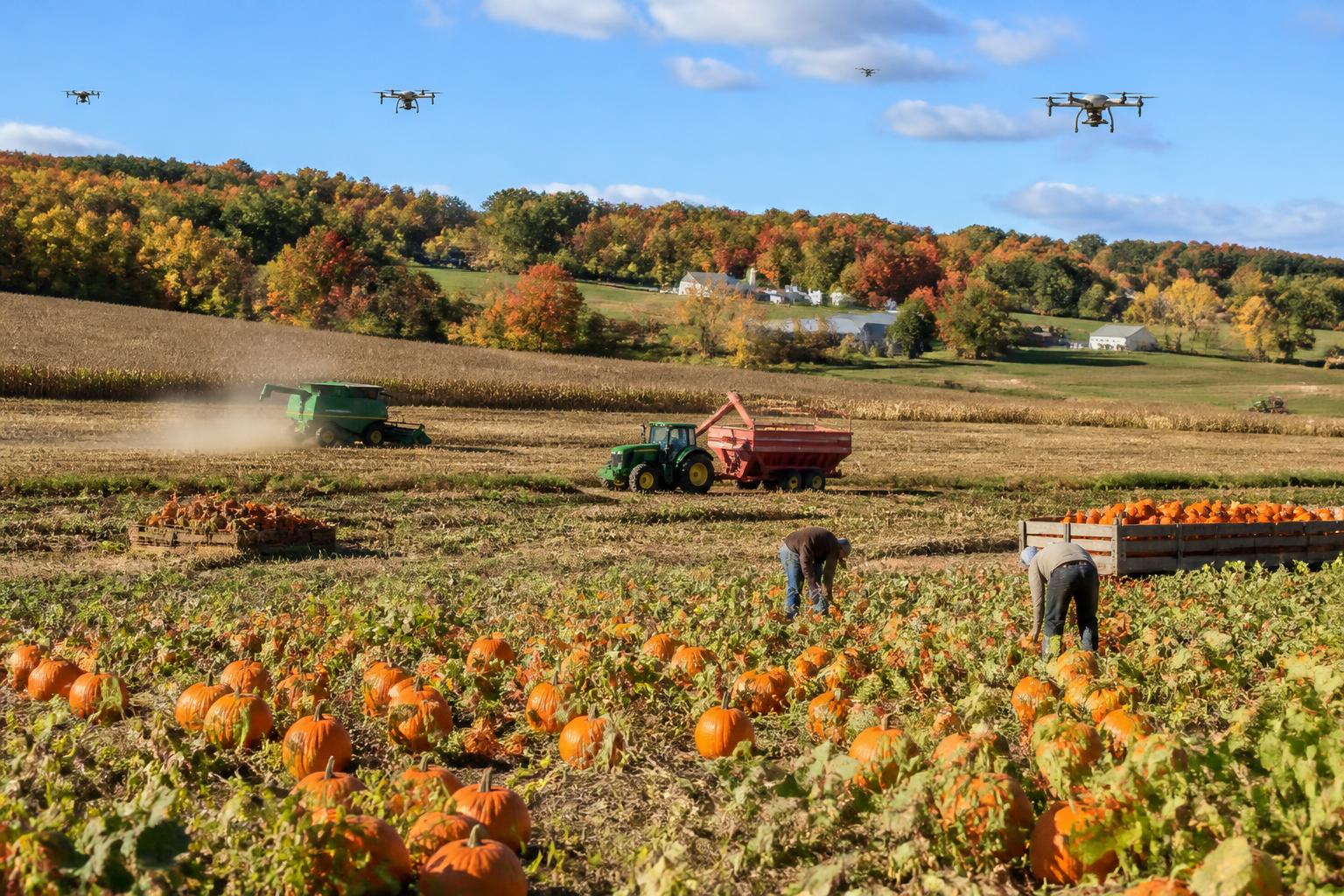
As fall operations accelerate, Arizona agribusinesses are increasingly turning to advanced technology to manage cross-border produce imports and supply chain demands.
As fall field operations progress, Arizona producers face the dual challenges of ongoing drought conditions and rising global input costs.
As fall operations reach a critical point in Oregon, producers and logistics partners are balancing infrastructure demands with evolving supply chain expectations.
As fall operations peak, New York producers are balancing critical logistics support and ongoing input management to maintain production stability.
The opening of a craft flour mill on the Umatilla Indian Reservation offers new processing opportunities for local producers, potentially strengthening the regional wheat value chain.
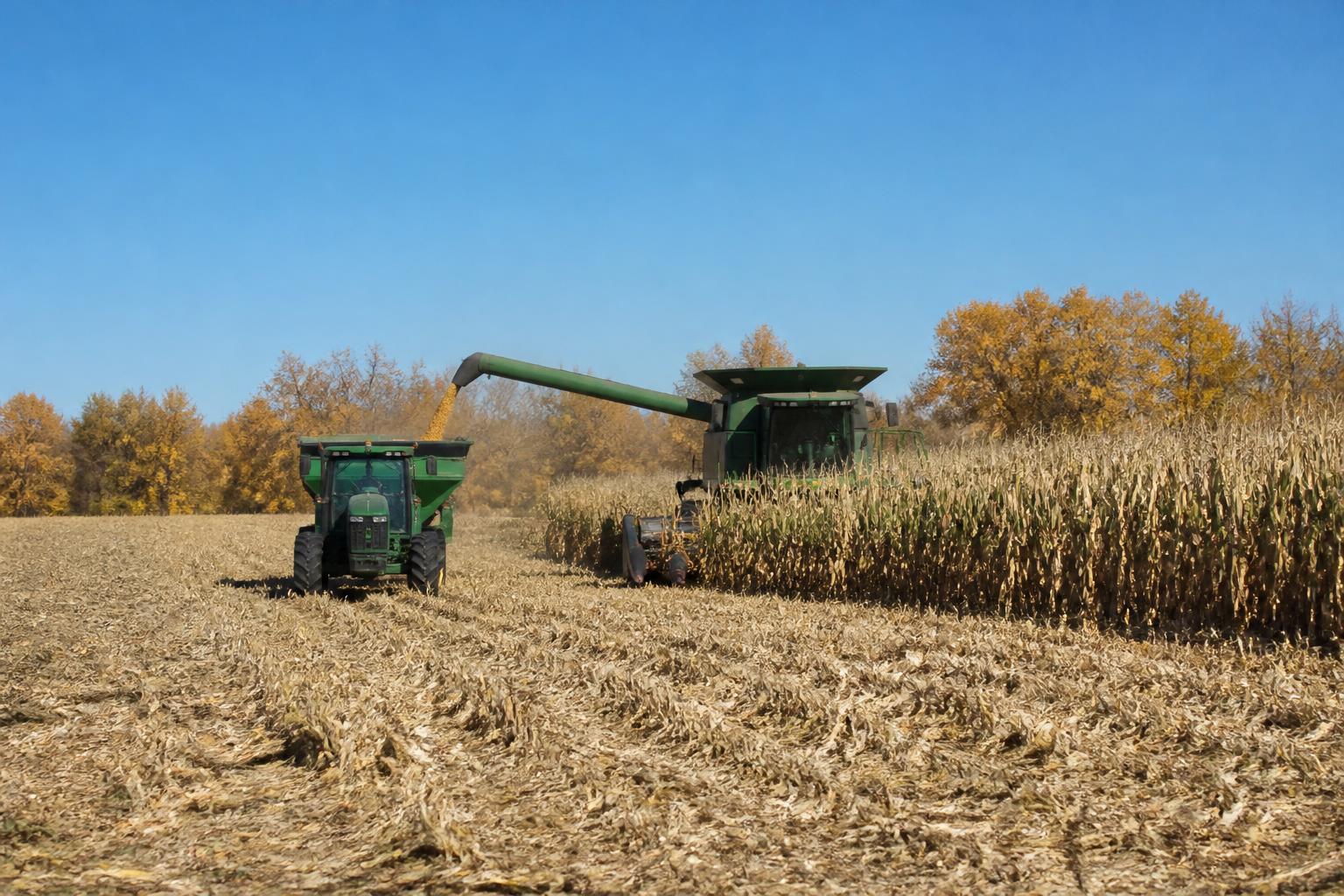
California grain producers and handlers are navigating a complex fall season defined by legislative shifts in fuel standards and ongoing logistical adjustments across key agricultural corridors.
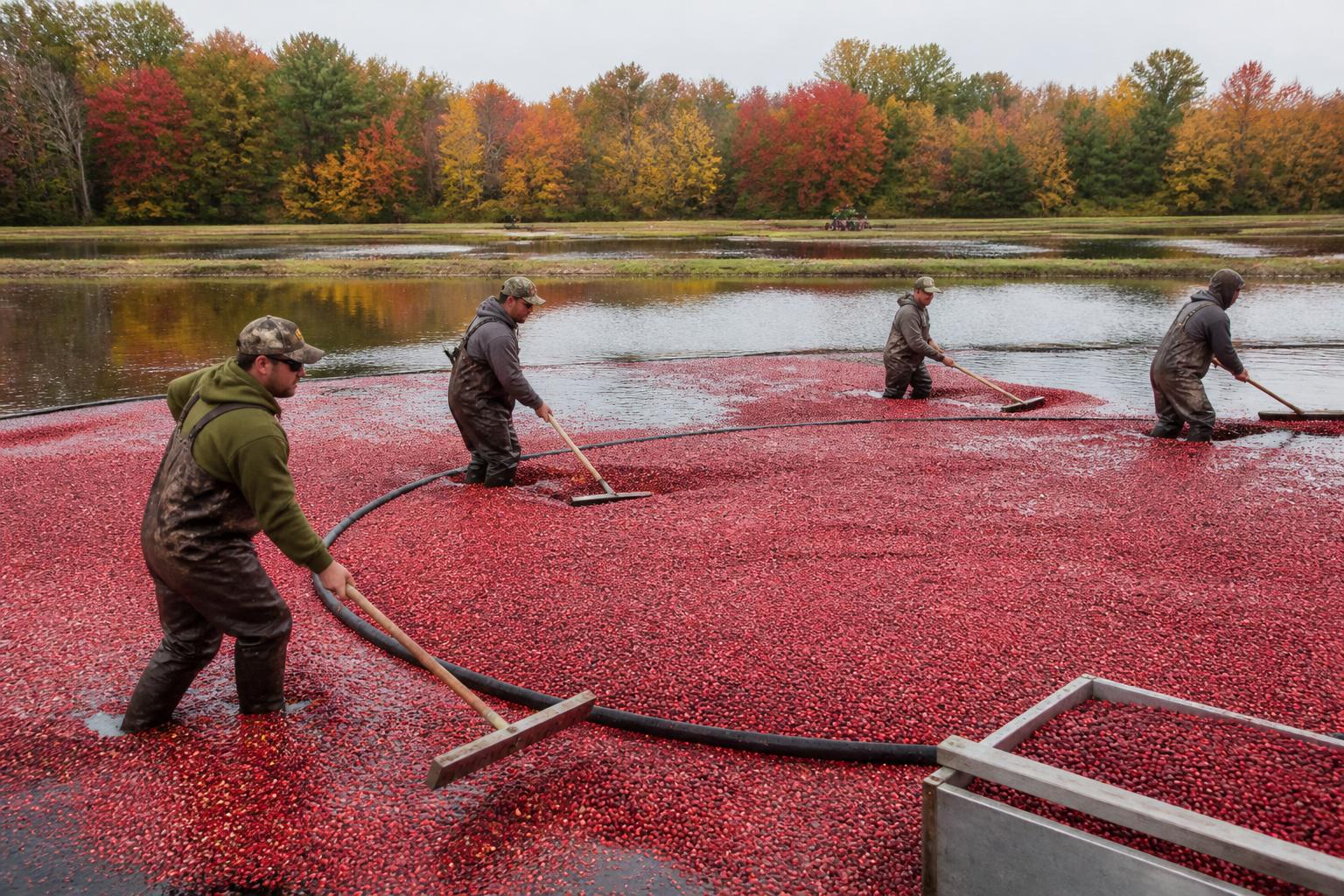
As the fall season hits its peak, New Hampshire producers are prioritizing efficient transport and supply chain management to keep local agricultural output moving.
Hawaii's agricultural sector is leveraging new export partnerships and research initiatives to bolster competitiveness while navigating complex land use and regulatory landscapes.
Sign in to manage requests, save contacts and respond to market offers quickly.
Continue with Google Continue with MicrosoftSign in to manage requests, save contacts and respond to market offers quickly.
Continue with Google Continue with MicrosoftEnter your email and we will send a password reset link.
Don't have an account?
We value your privacy
We use cookies to run the site and, with your consent, to measure traffic (Google Analytics) and personalize ads. You can accept, reject, or choose. Privacy Policy