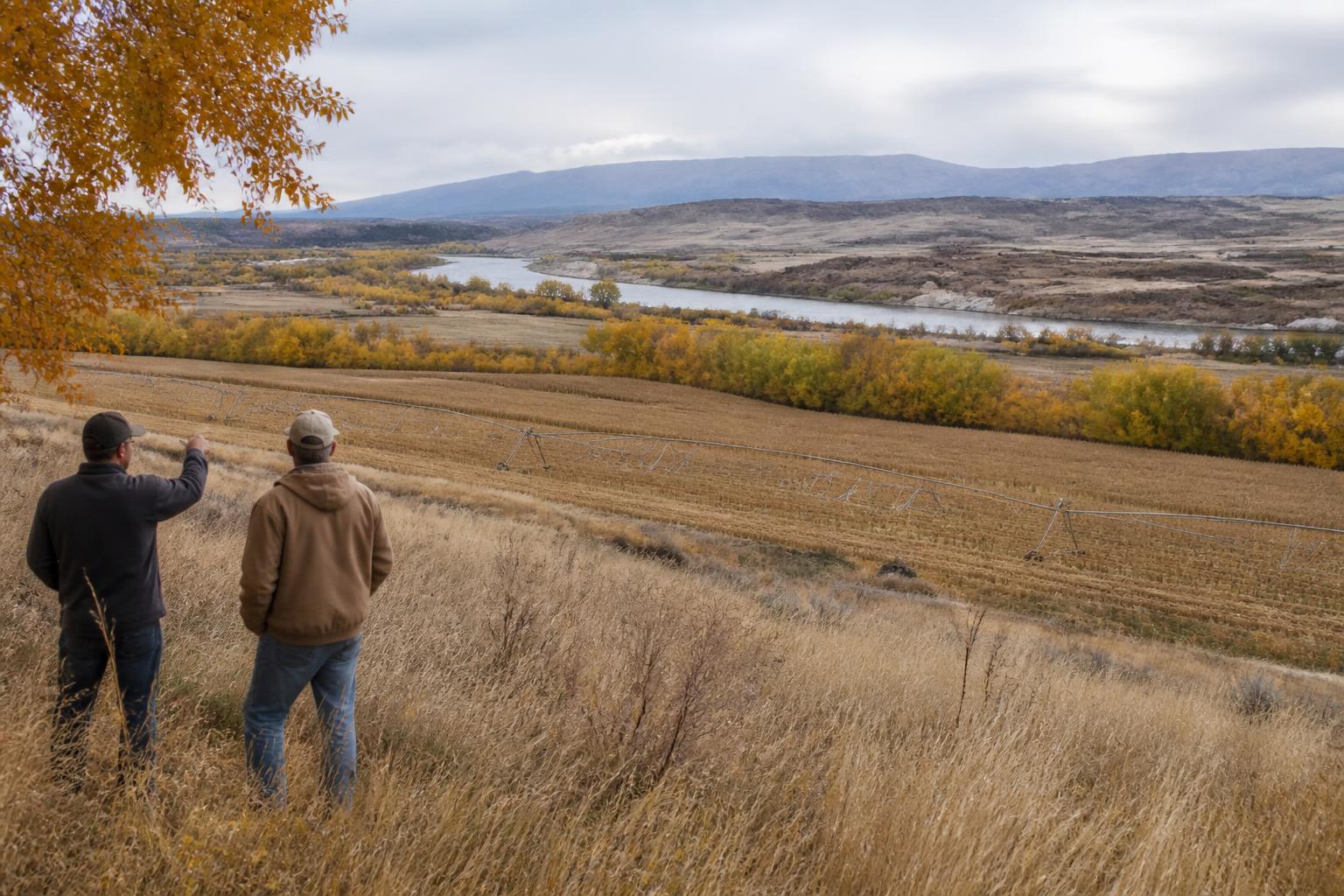
Navigating Crop Protection and Irrigation Constraints in Colorado
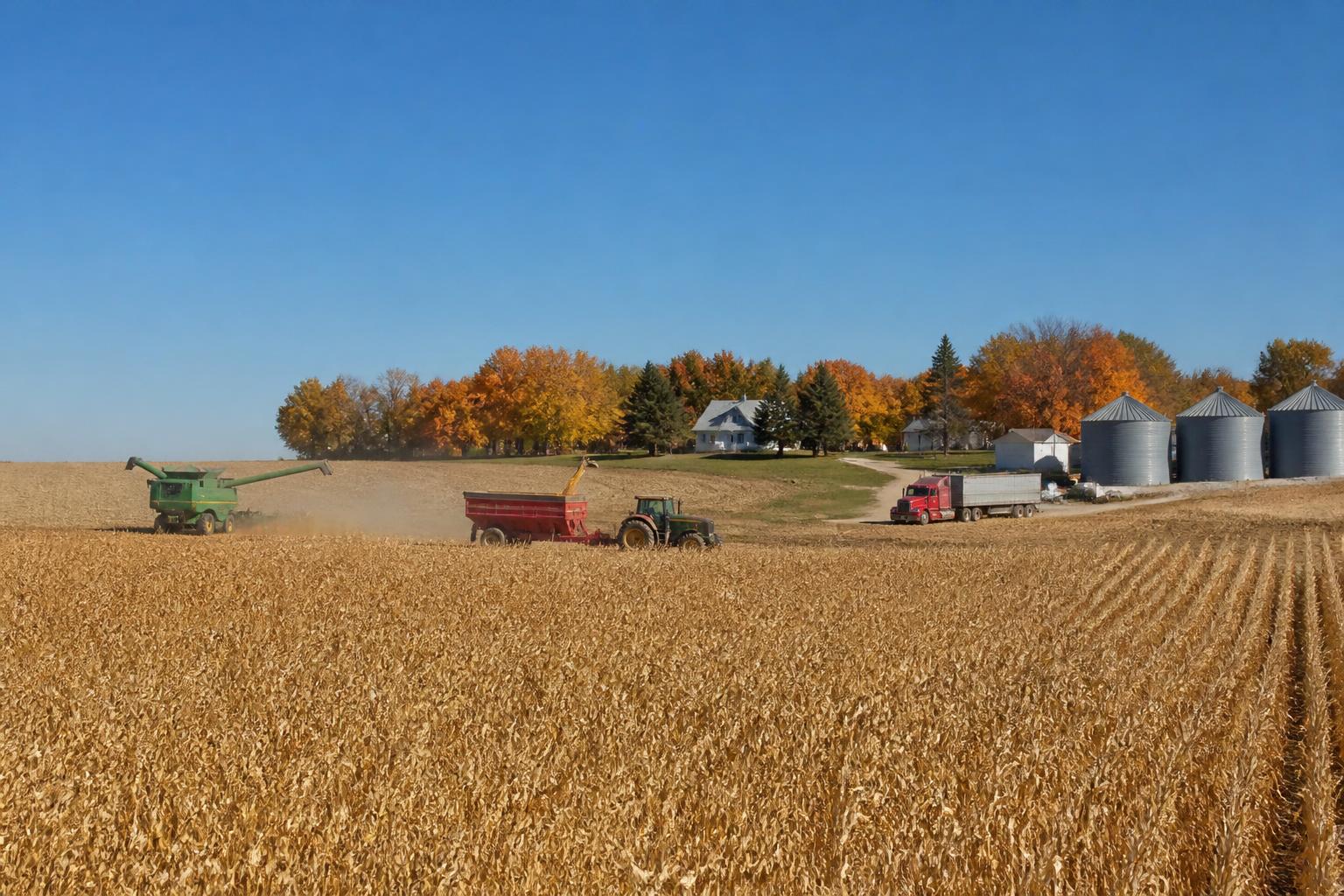
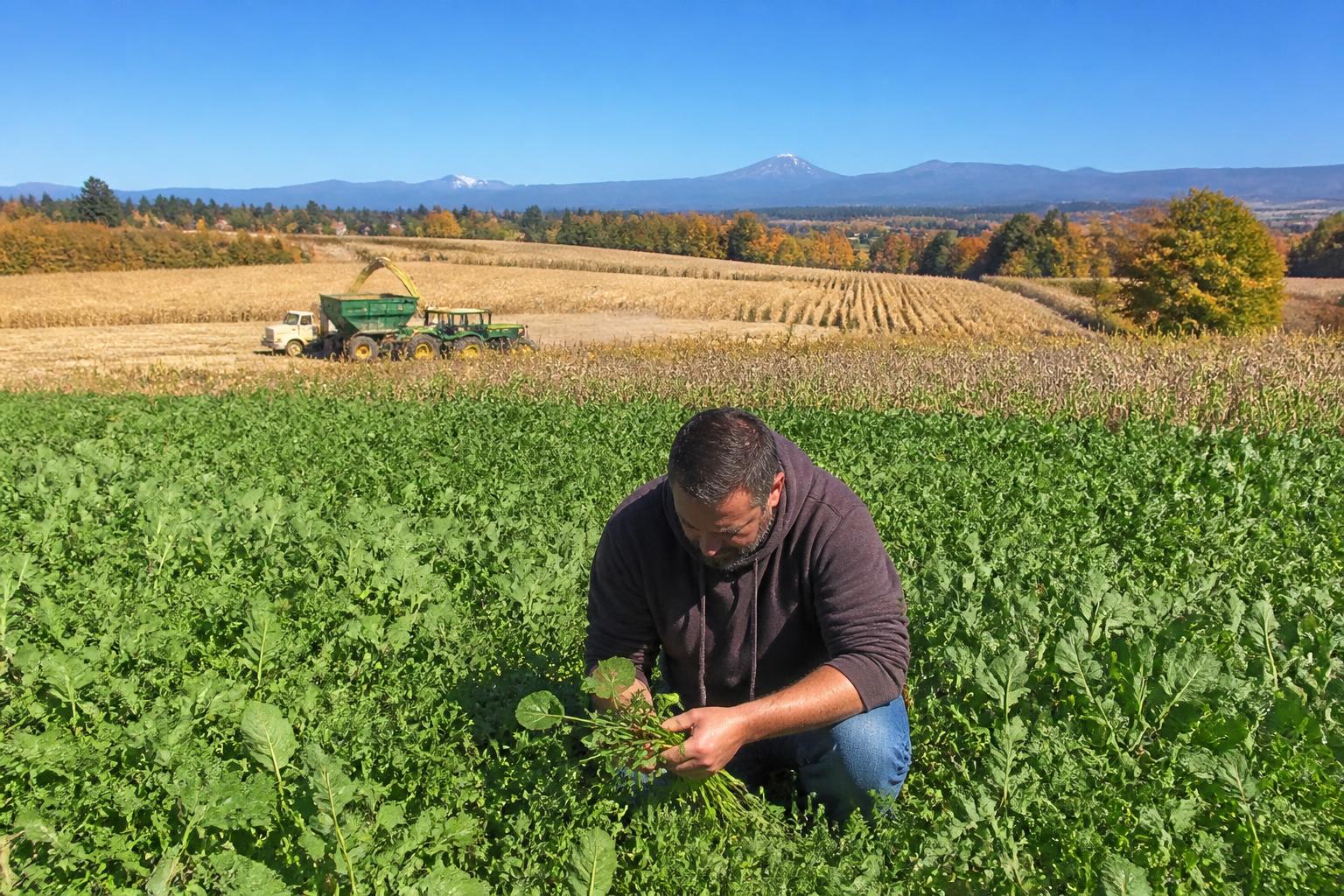
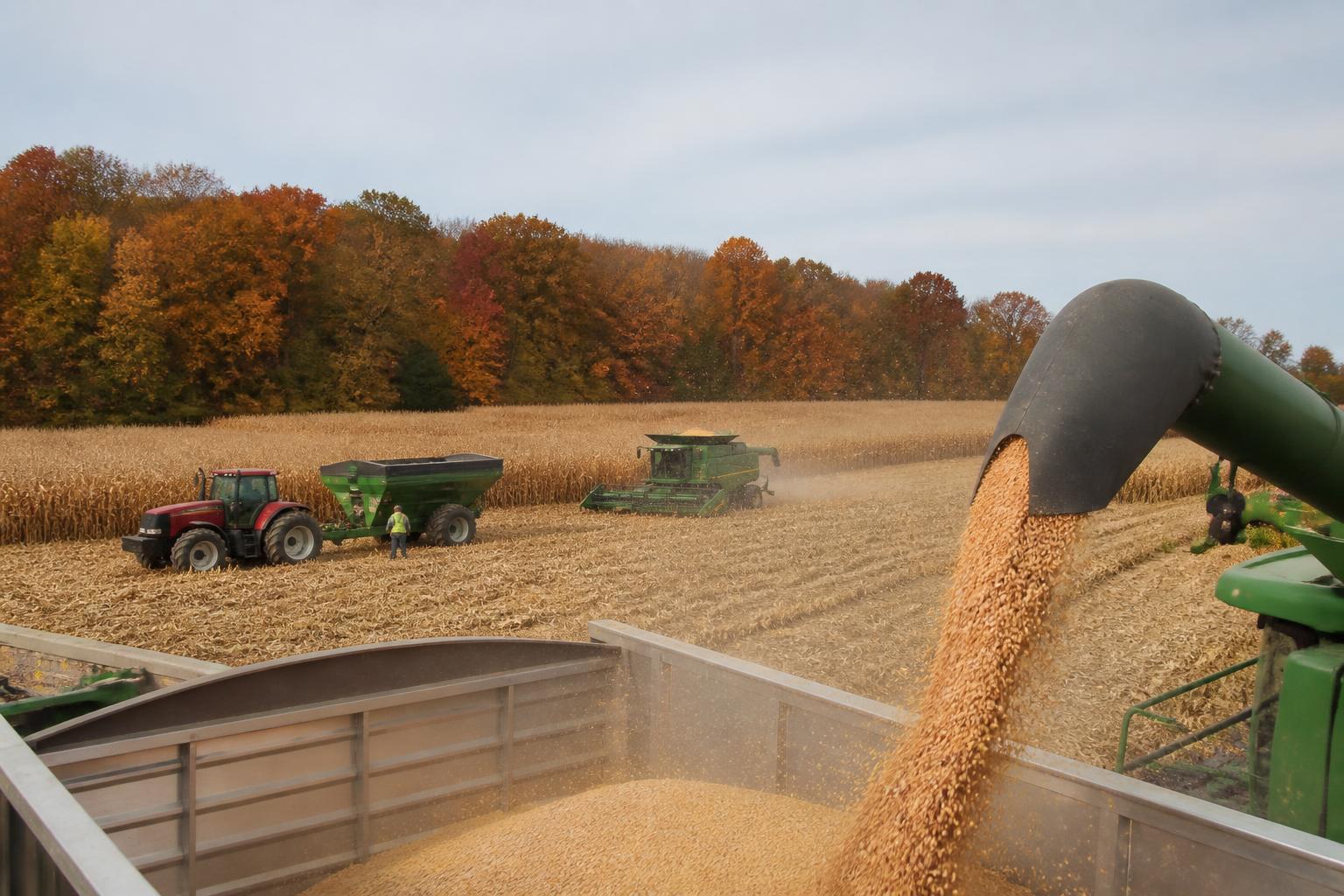
Colorado farmers are balancing evolving crop protection standards with ongoing water limitations as the fall harvest progresses.
We collect original digests and analytical notes based on facts, market signals and verified sources.
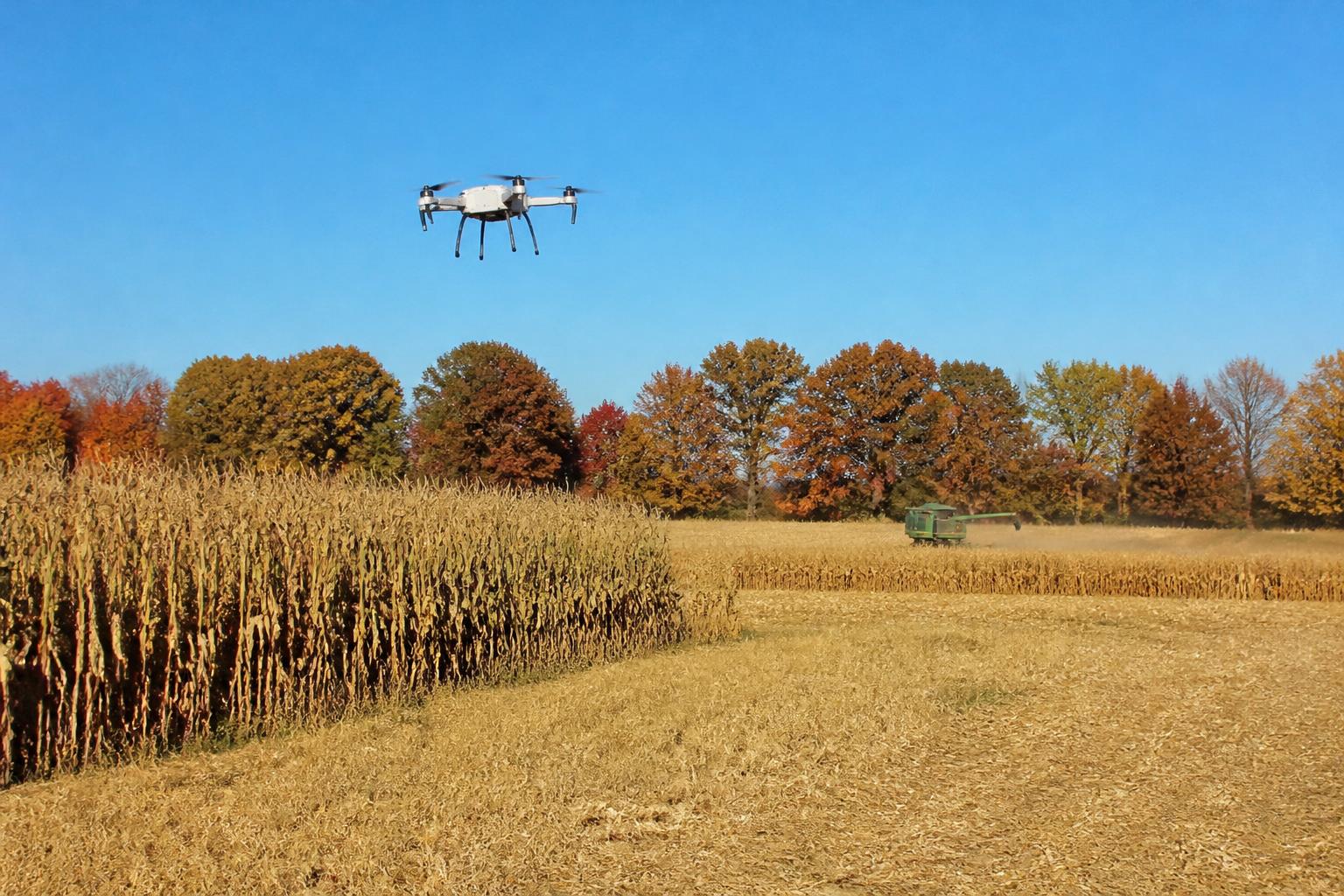
As Massachusetts growers navigate a changing regulatory environment and climate challenges, new investments in drone technology and evolving pesticide policies are reshaping local crop protection strategies.
Colorado farmers are balancing evolving crop protection standards with ongoing water limitations as the fall harvest progresses.
As North Dakota producers navigate fall field work, new legislative developments regarding crop protection liability and ongoing input management remain top priorities.
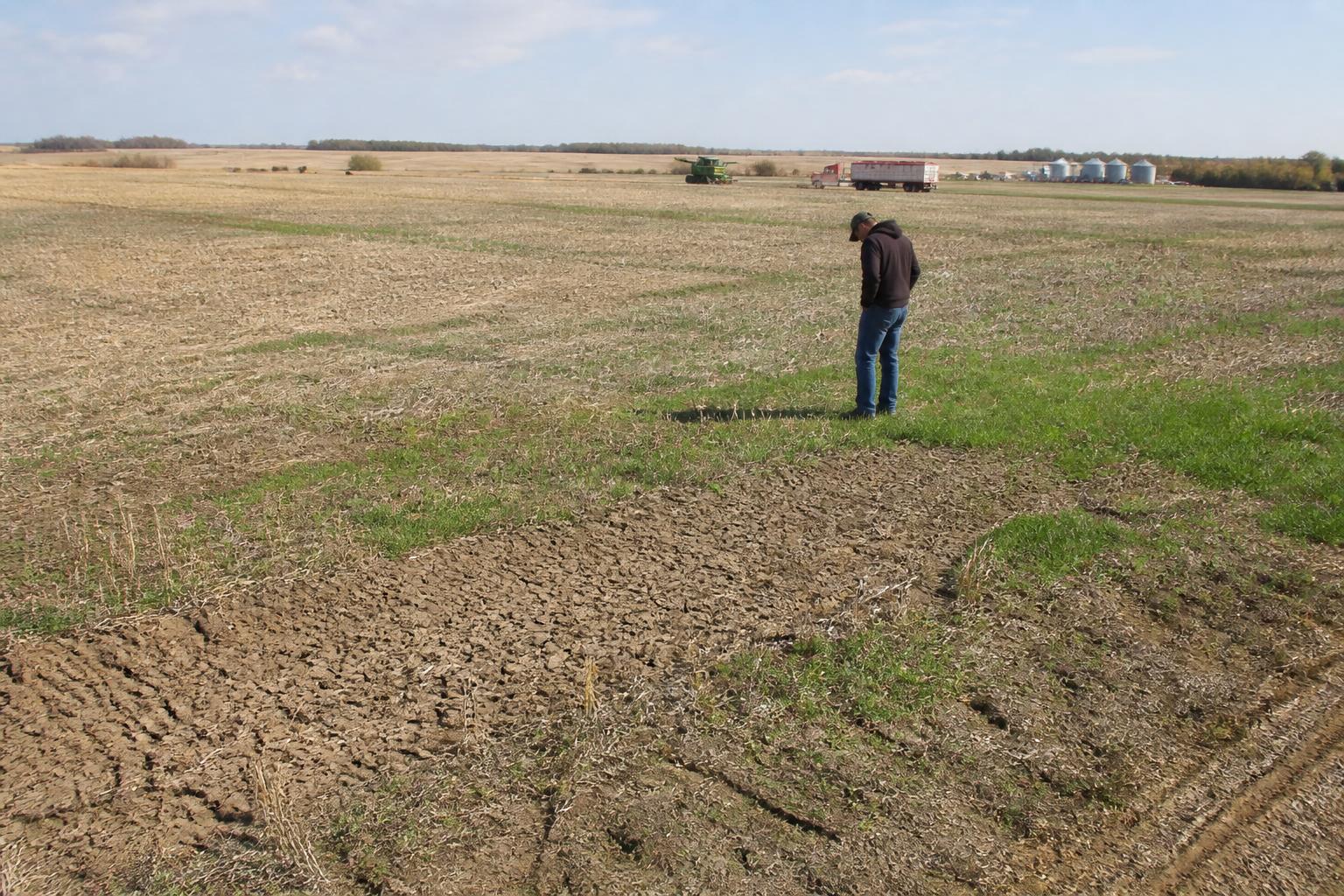
As South Dakota producers navigate late-season moisture concerns and livestock transport shifts, prioritizing field resilience and logistics planning remains essential.
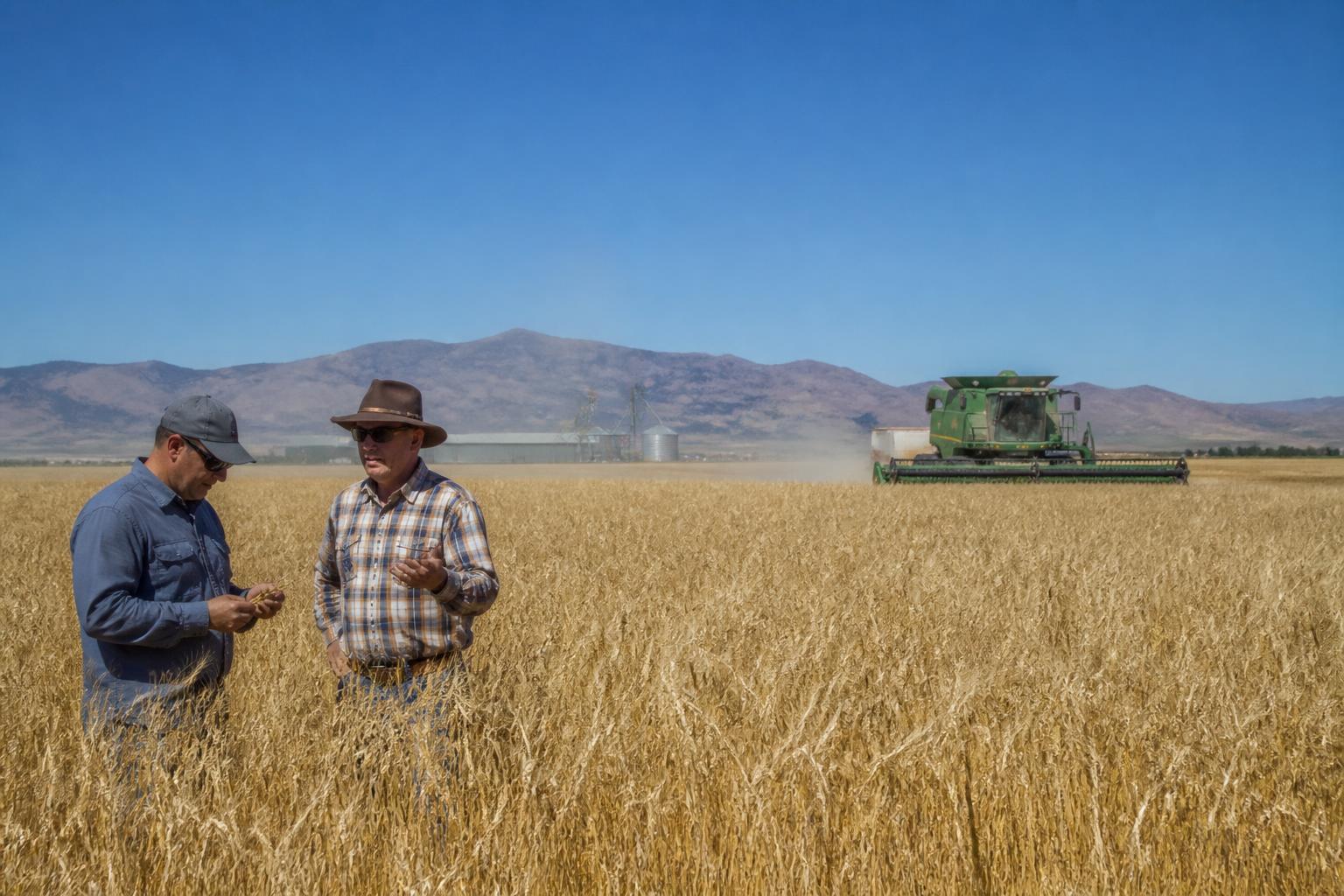
As fall production schedules tighten in Nevada, producers are balancing the integration of new conservation strategies with the ongoing necessity of effective crop protection, particularly amid regional water supply challenges.
As fall harvest activities ramp up across Idaho, growers are gaining access to new digital resources designed to streamline input costs and improve crop protection strategies.
As fall field work progresses in Oregon, growers are balancing ongoing pest management challenges with a focus on input efficiency and regulatory shifts affecting the broader agricultural landscape.
As fall operations begin in Nevada, growers should focus on soil preservation and proactive pest management to protect input investments and long-term yield potential.
As fall fieldwork accelerates across Kansas, producers are navigating a mixed season of moisture variability and shifting input cost pressures while monitoring long-term crop projections.
As Minnesota farmers navigate the fall harvest, shifting pesticide regulations and the ongoing management of resistant weeds remain critical considerations for long-term field productivity.
Recent shifts in crop protection portfolios are reshaping the input landscape for Florida producers, emphasizing a need for updated supply chain strategies.
As Nevada enters the fall season, regional agricultural producers are shifting their focus toward monitoring and reporting insect infestations to prepare for next year's management strategies.
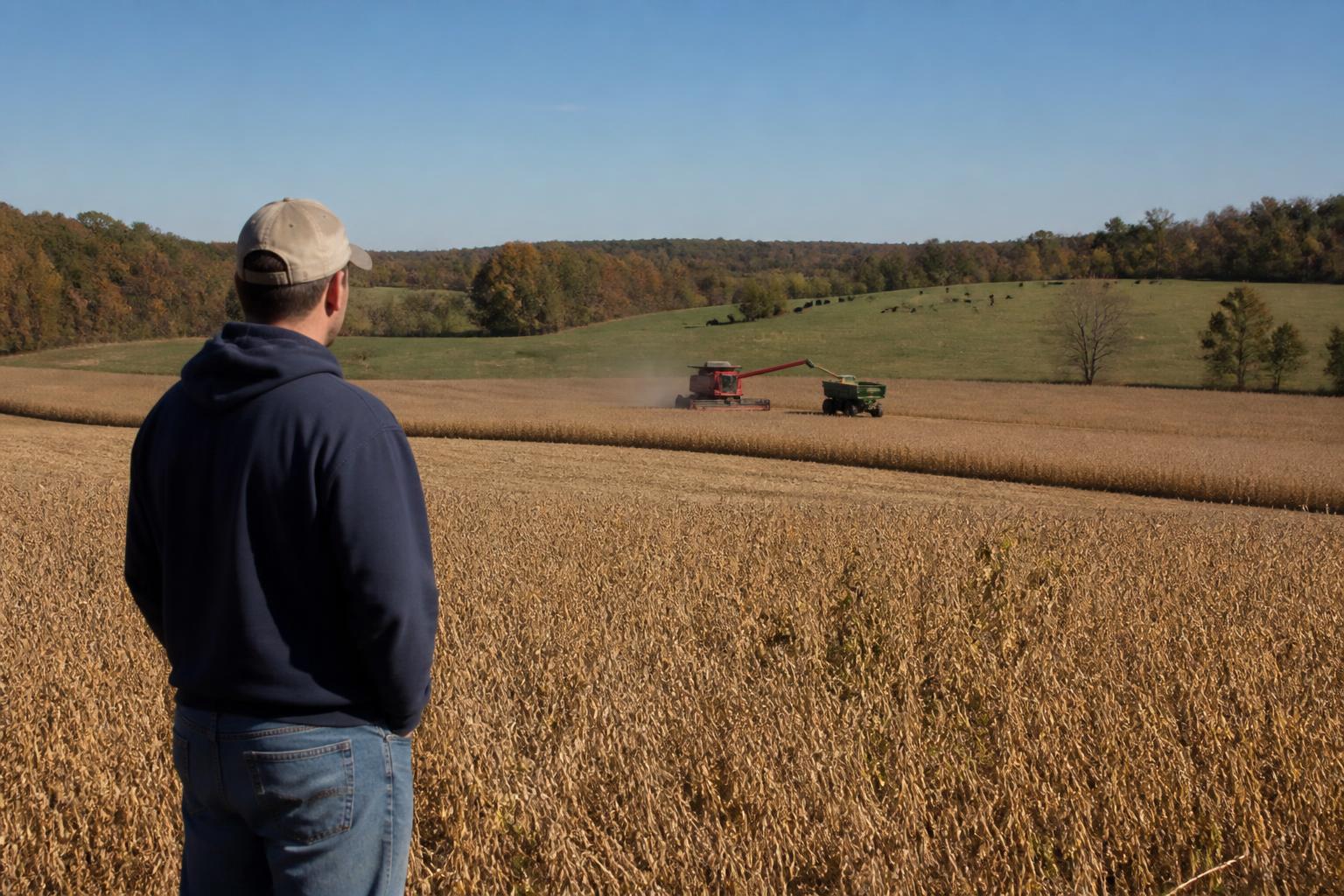
As Missouri producers move through the final stages of the fall harvest, managing lingering field risks and maintaining robust input stewardship remain critical for long-term operational health.
Sign in to manage requests, save contacts and respond to market offers quickly.
Continue with Google Continue with MicrosoftSign in to manage requests, save contacts and respond to market offers quickly.
Continue with Google Continue with MicrosoftEnter your email and we will send a password reset link.
Don't have an account?
We value your privacy
We use cookies to run the site and, with your consent, to measure traffic (Google Analytics) and personalize ads. You can accept, reject, or choose. Privacy Policy