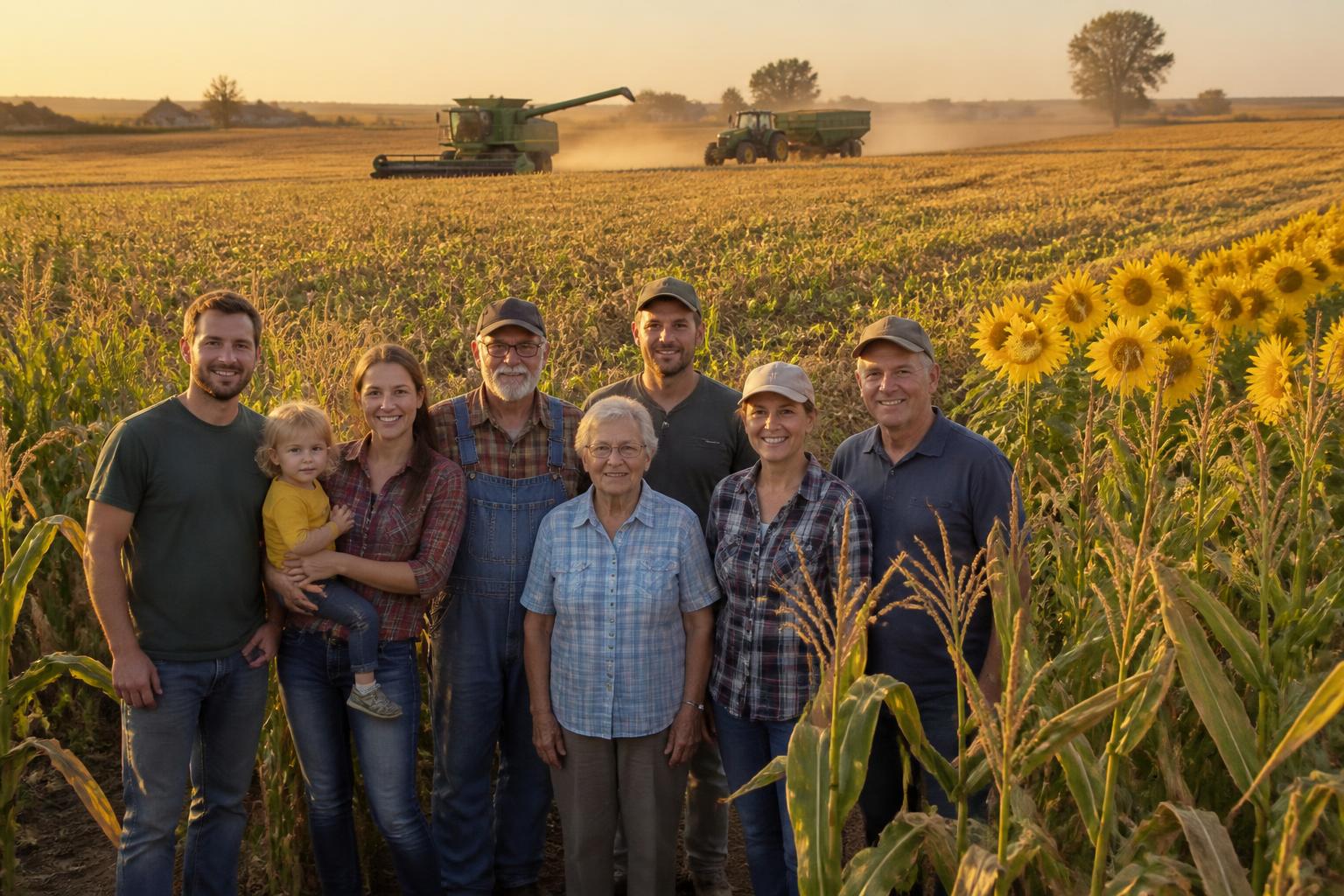
Delaware Summer Field Strategy: Balancing Input Pressures and Crop Security
As Delaware farmers manage mid-summer crop protection and navigate evolving input markets, local logistics and pest surveillance remain critical for seasonal success.
We collect original digests and analytical notes based on facts, market signals and verified sources.
As Ohio growers move through the summer season, regional logistics are adapting to new distribution hubs and shifting market demands, even as weather patterns remain unpredictable.
As Delaware farmers manage mid-summer crop protection and navigate evolving input markets, local logistics and pest surveillance remain critical for seasonal success.
Maine producers are balancing mid-season crop development with long-term soil health and regulatory considerations as the summer growing window progresses.
As New York farmers manage summer crop inputs, recent proposals for tariff relief aim to ease the burden of nutrient costs, while market volatility underscores the need for strategic planning.
As Connecticut moves through mid-July, producers are navigating shifting grain futures alongside local operational challenges, including rising input costs and wildlife management.
As summer heat intensifies, Nevada growers are looking toward specialized grain and forage production to bolster farm-gate returns and regional agricultural resilience.
As Washington farmers move through the summer season, a mix of extreme heat and regulatory shifts in crop protection are prompting tactical changes in field management.
As Oklahoma producers navigate a complex mid-summer market, shifting acreage toward soybeans and ongoing grain price volatility remain top of mind for growers and local agribusinesses.
Wisconsin farmers navigate ongoing crop health concerns, including the early detection of tar spot, while managing rising production costs and navigating evolving export networks.
As Montana producers move through the mid-summer stretch, focus shifts toward managing variable input costs and adjusting to localized infrastructure changes that impact regional grain movement.
As summer production ramps up, Wyoming producers are navigating shifting forage dynamics and exploring new crop opportunities to bolster market resilience.
As Oregon farmers navigate the peak of summer, shifting global fertilizer infrastructure and local supply chain variables remain top-of-mind for budget planning.
As Alabama producers navigate a challenging mid-summer season, maintaining crop integrity requires balancing field-level protection strategies with heightened vigilance regarding local financial security.
Sign in to manage requests, save contacts and respond to market offers quickly.
Continue with Google Continue with MicrosoftSign in to manage requests, save contacts and respond to market offers quickly.
Continue with Google Continue with MicrosoftEnter your email and we will send a password reset link.
Don't have an account?
We value your privacy
We use cookies to run the site and, with your consent, to measure traffic (Google Analytics) and personalize ads. You can accept, reject, or choose. Privacy Policy