Navigating Crop Protection and Sustainability in South Carolina Agriculture
As South Carolina enters the peak of summer, producers are balancing intense crop protection demands with a push toward resilient, long-term land management.
We collect original digests and analytical notes based on facts, market signals and verified sources.
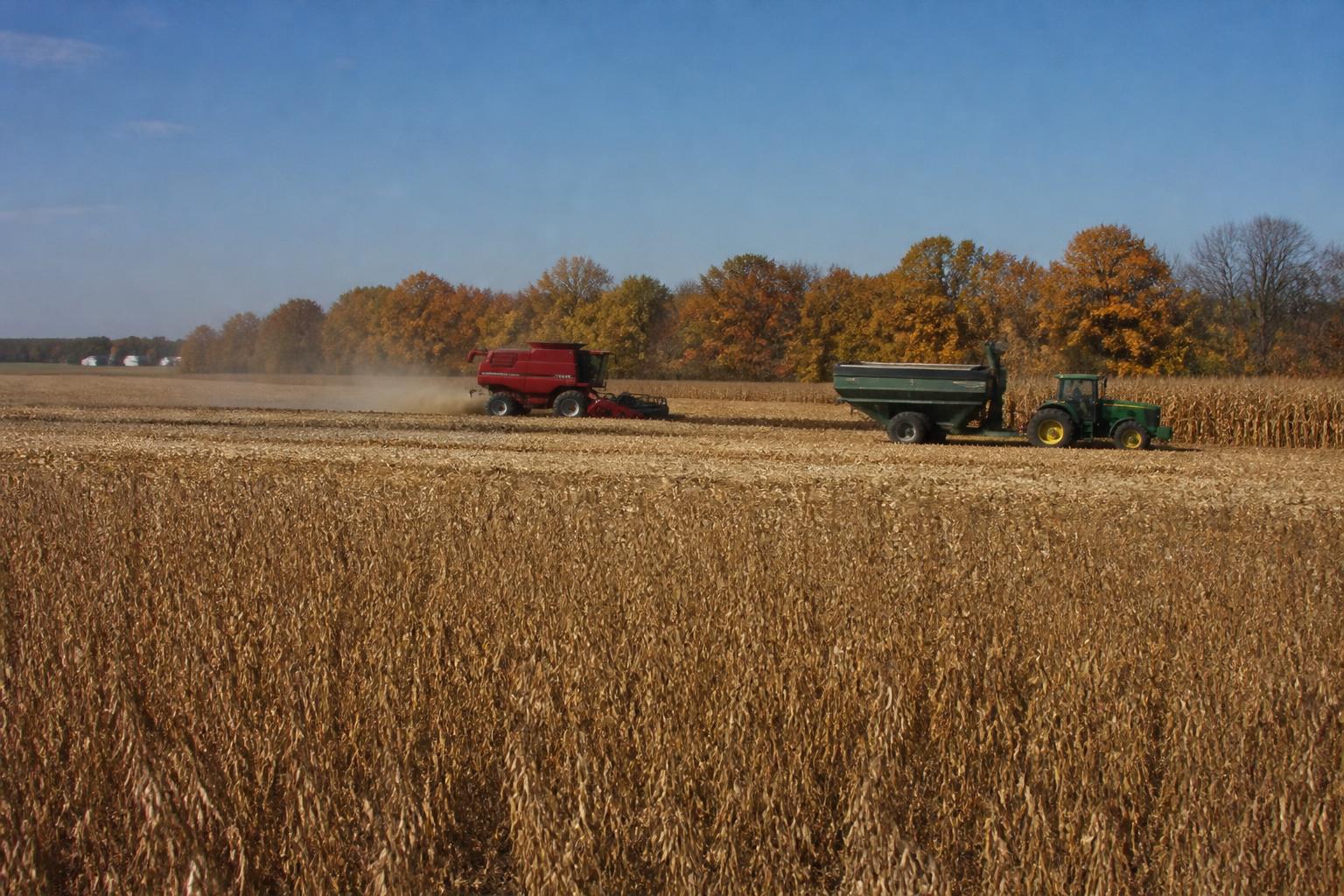
As Illinois farmers wrap up harvest and shift toward land management, new state incentives for conservation tillage aim to support margins amid lingering pressure on cash reserves.
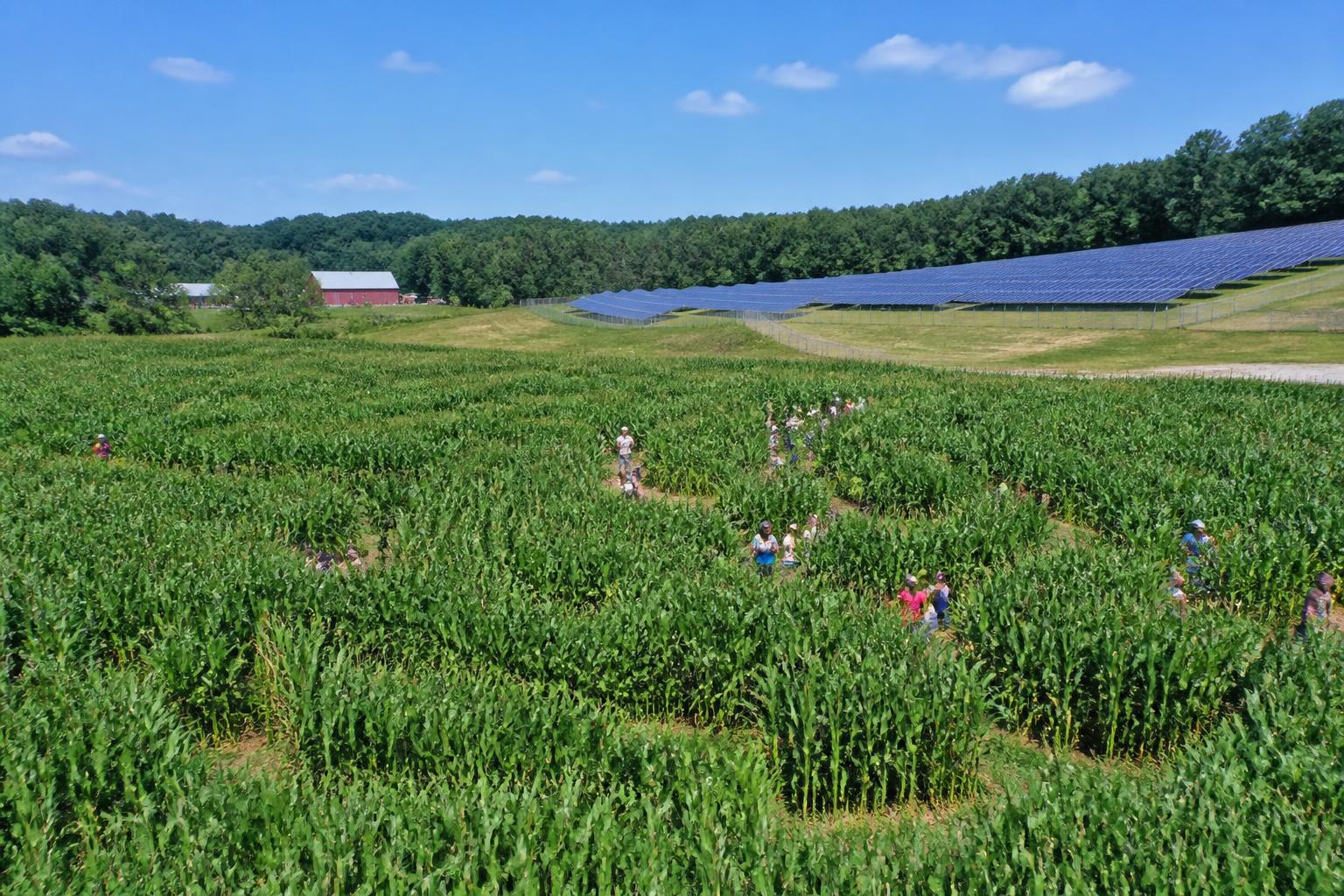
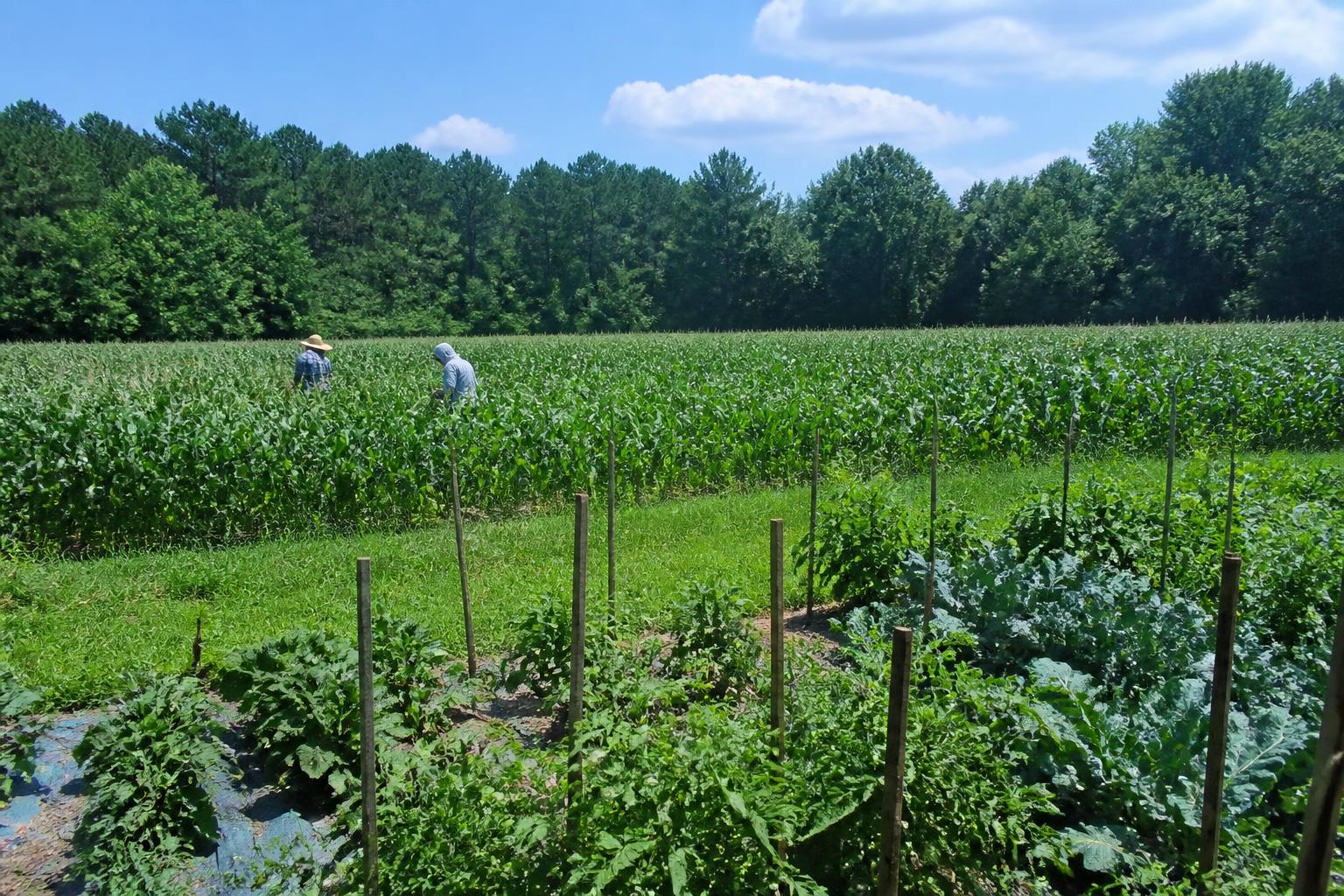
As South Carolina enters the peak of summer, producers are balancing intense crop protection demands with a push toward resilient, long-term land management.
Arizona producers continue to refine pesticide application and water management strategies as state-level regulatory changes and resource constraints influence local farming operations.
As summer heat hits peak levels, Massachusetts farmers are balancing operational efficiency with emerging federal policy shifts and evolving land-management standards.
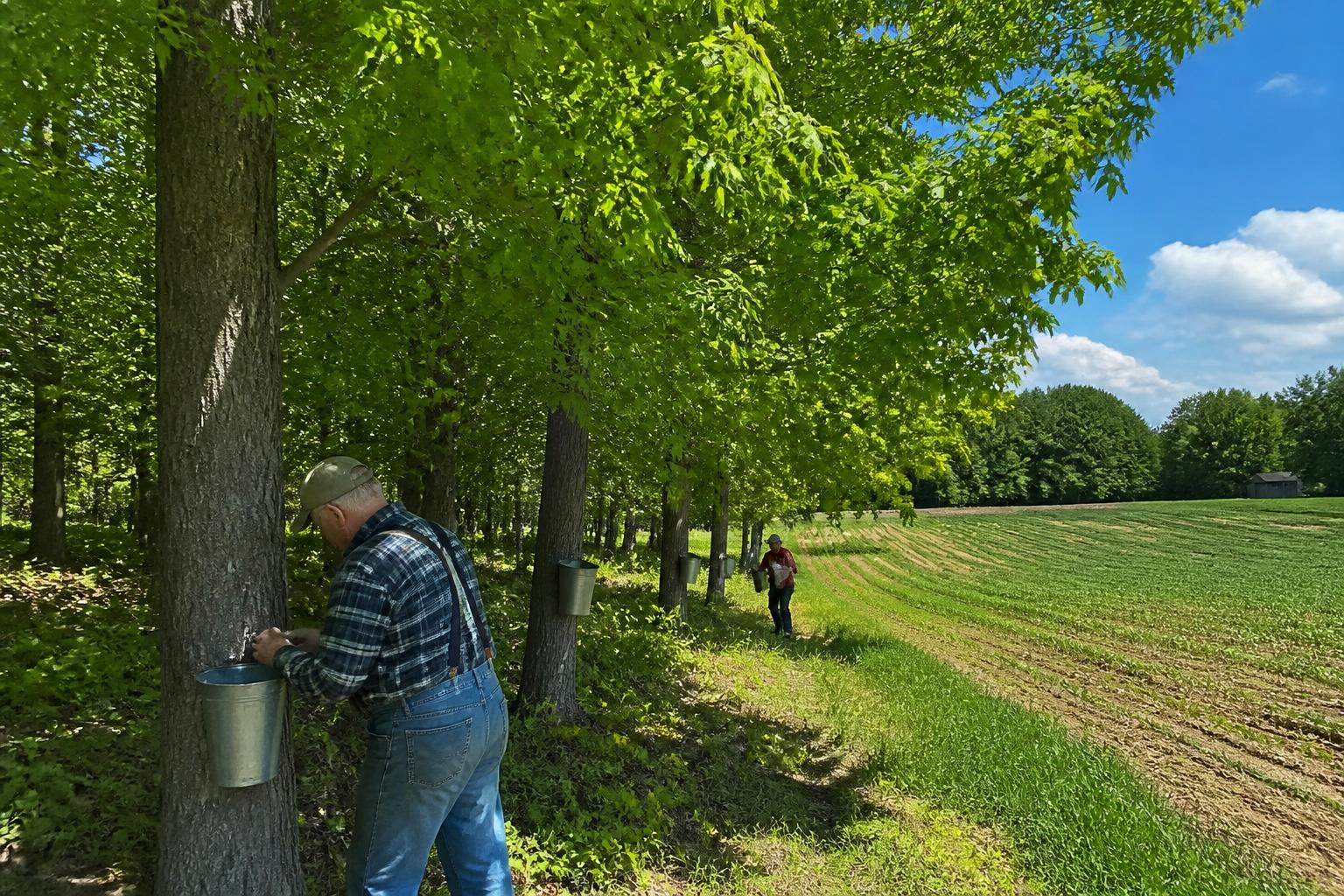
As New Hampshire enters the heat of summer, local farmers are balancing traditional crop management with innovative sustainable practices and ongoing efforts to reduce barriers to local food systems.
Rhode Island growers are focusing on long-term sustainability and resource management this summer, balancing federal innovation initiatives with evolving input market demands.
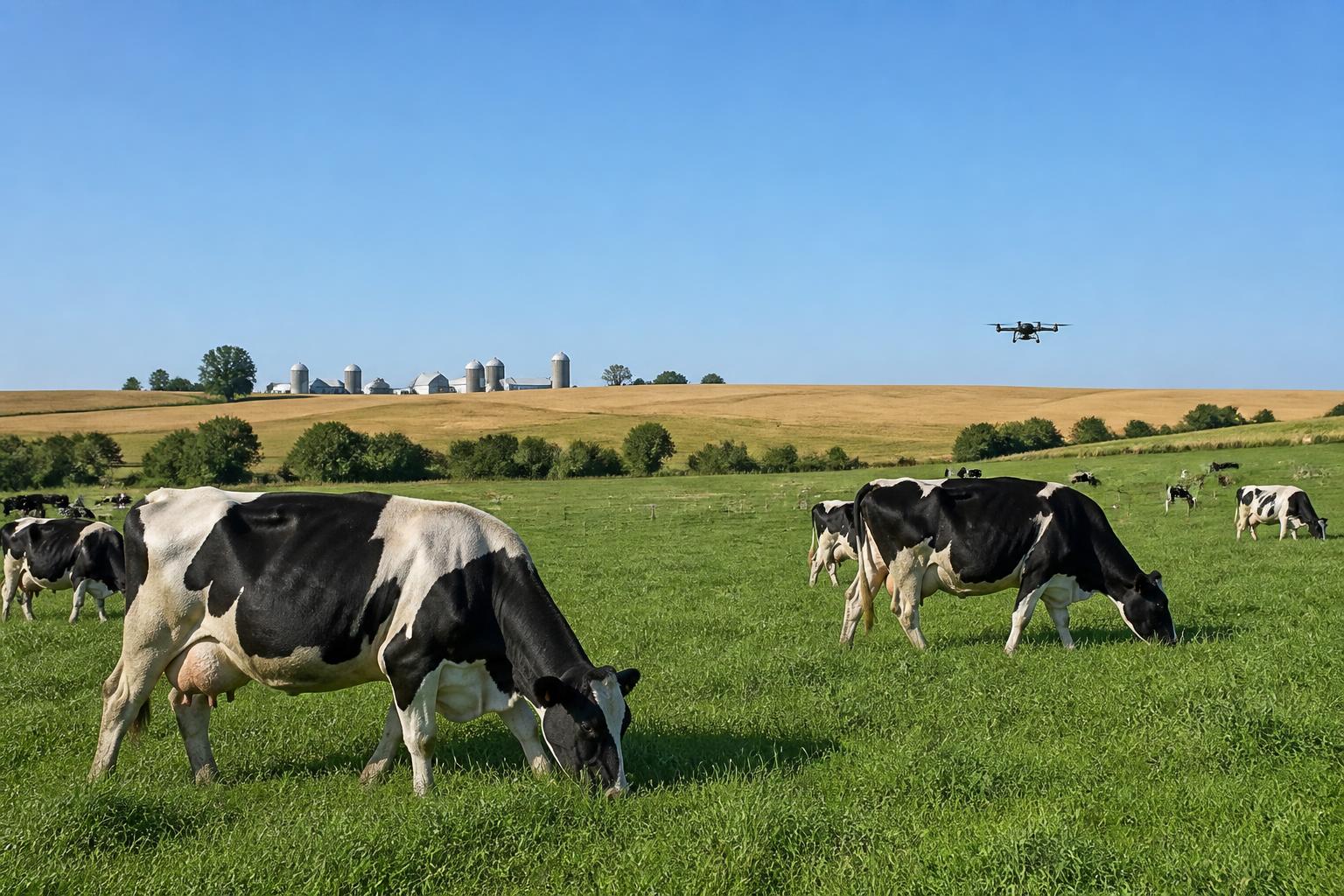
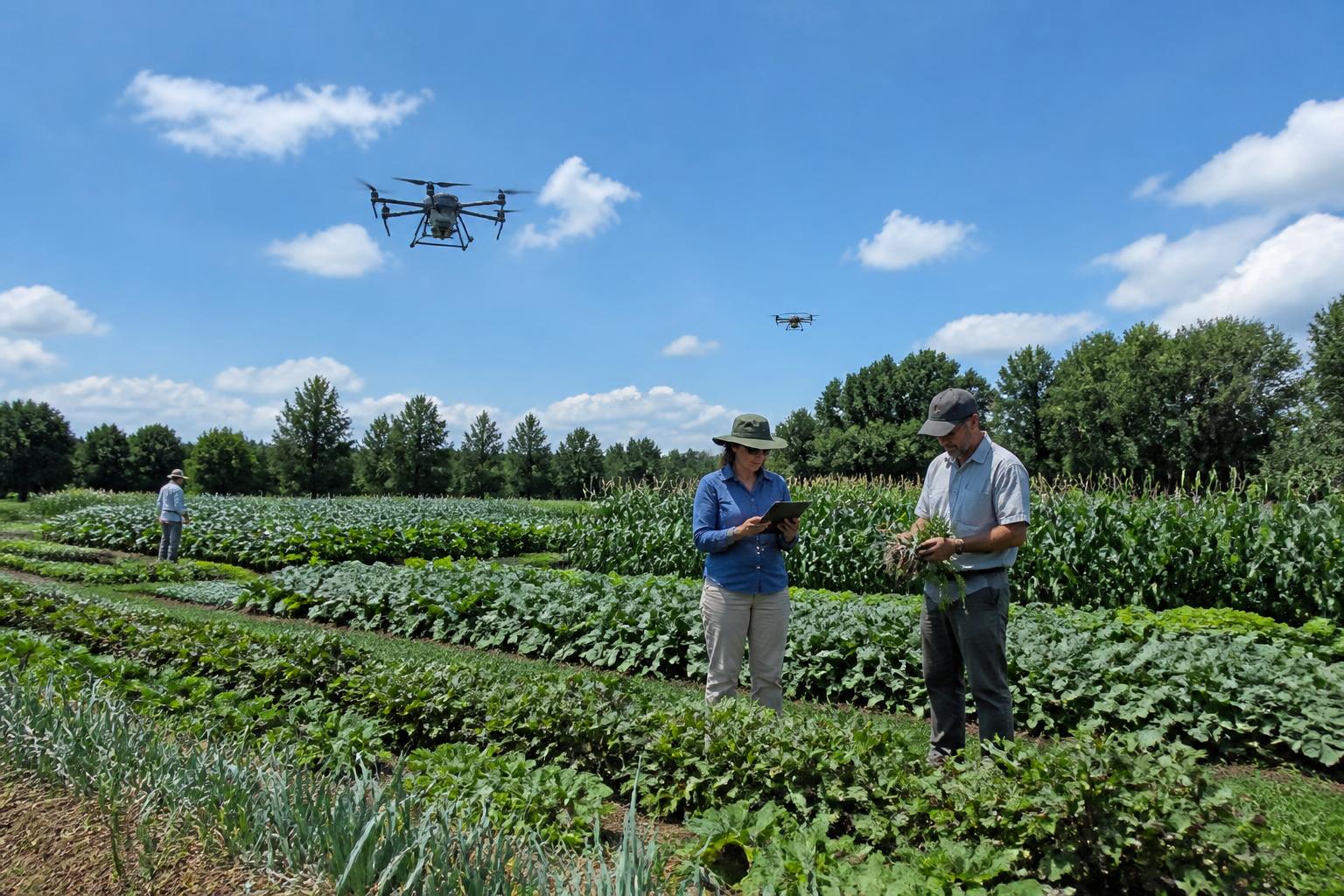
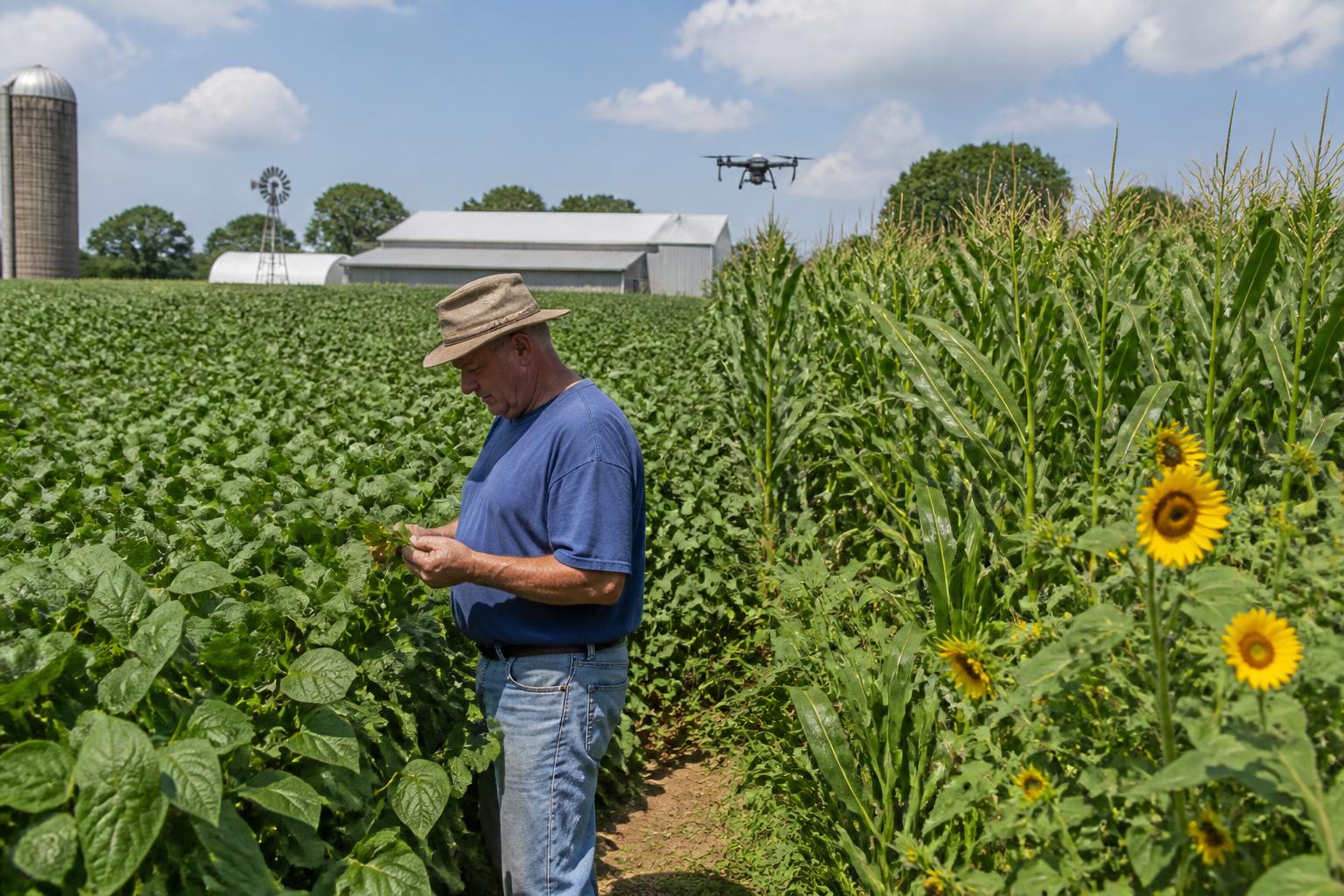
As Kansas farmers navigate mid-summer challenges, the adoption of UAV-based detection and adaptive spraying technologies is helping optimize crop protection strategies.
As Wisconsin producers navigate mid-summer pressures, integrated pest management and emerging policy shifts are shaping the outlook for regional crop health and insurance coverage.
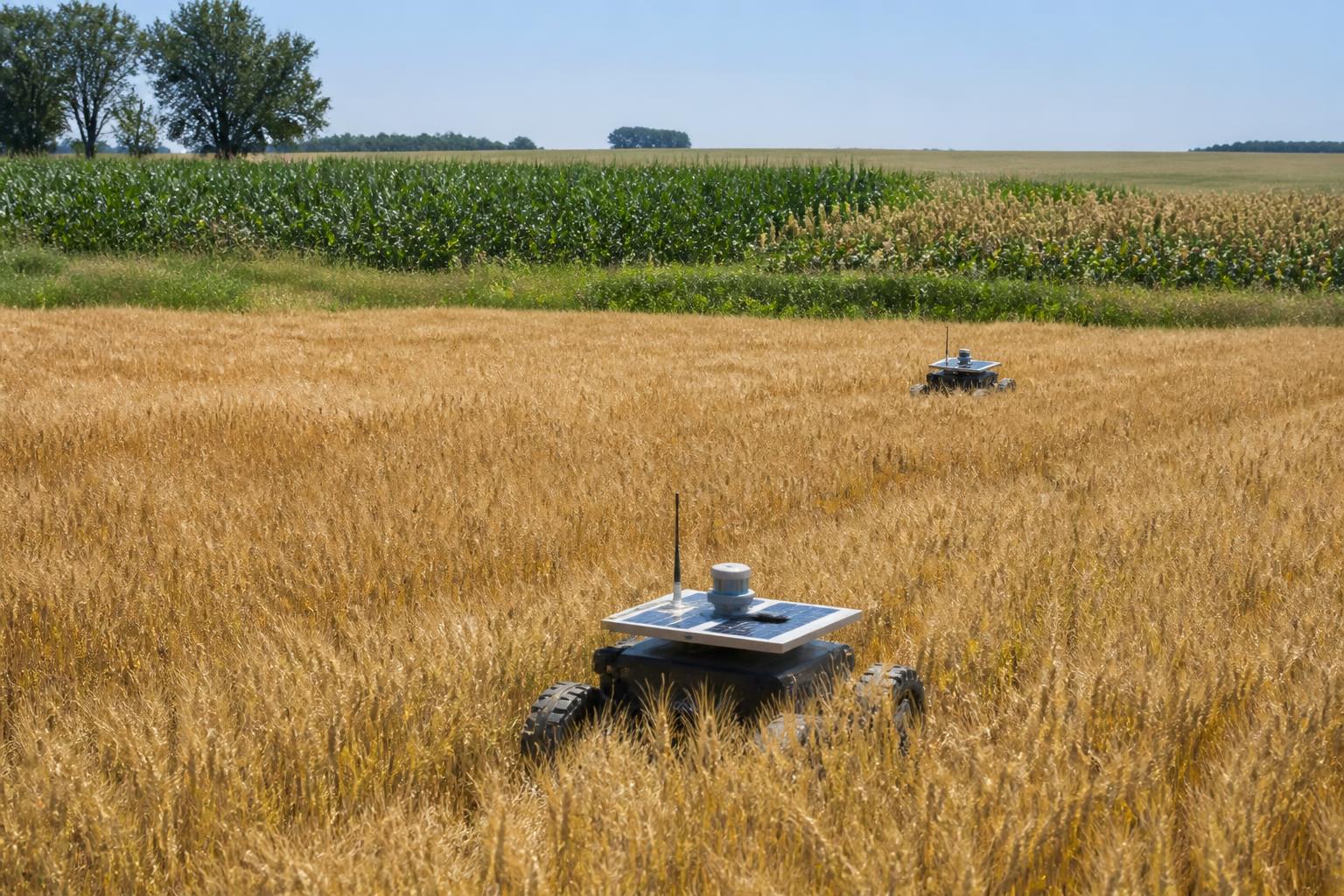
As New Hampshire growers navigate shifting climate patterns and evolving production demands, local research and automated growing systems are providing new pathways for resilience.
As summer operations peak in Kansas, producers are increasingly evaluating alternative cropping systems and technological adaptations to manage water scarcity and long-term production viability.
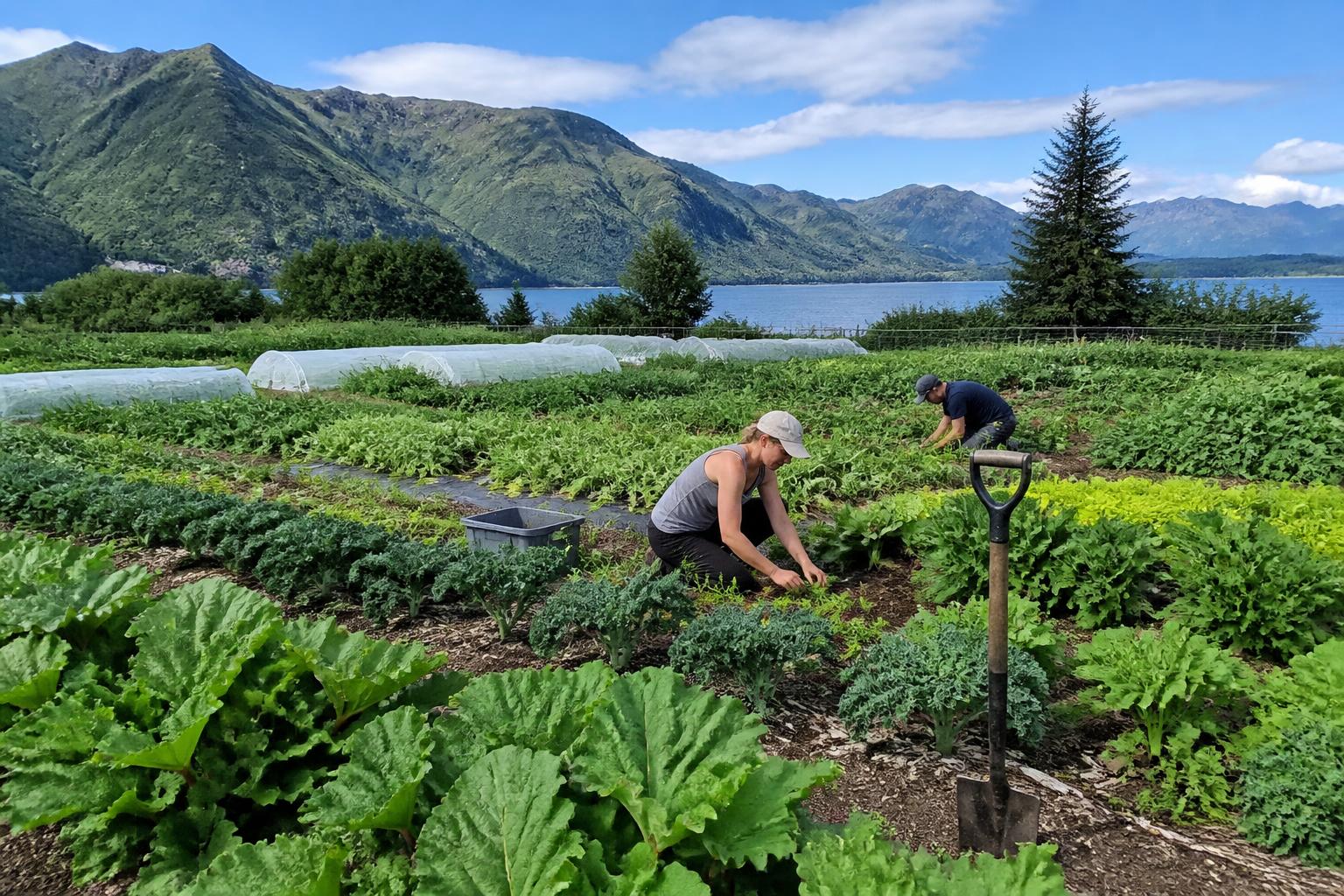
As Alaska's growing season hits its peak, local producers are re-evaluating crop protection and integrated pest management (IPM) to balance environmental stewardship with yield stability.
As summer field operations peak across New Jersey, producers are navigating a changing landscape of regenerative wheat initiatives and shifting grant opportunities for sustainable supply chain management.
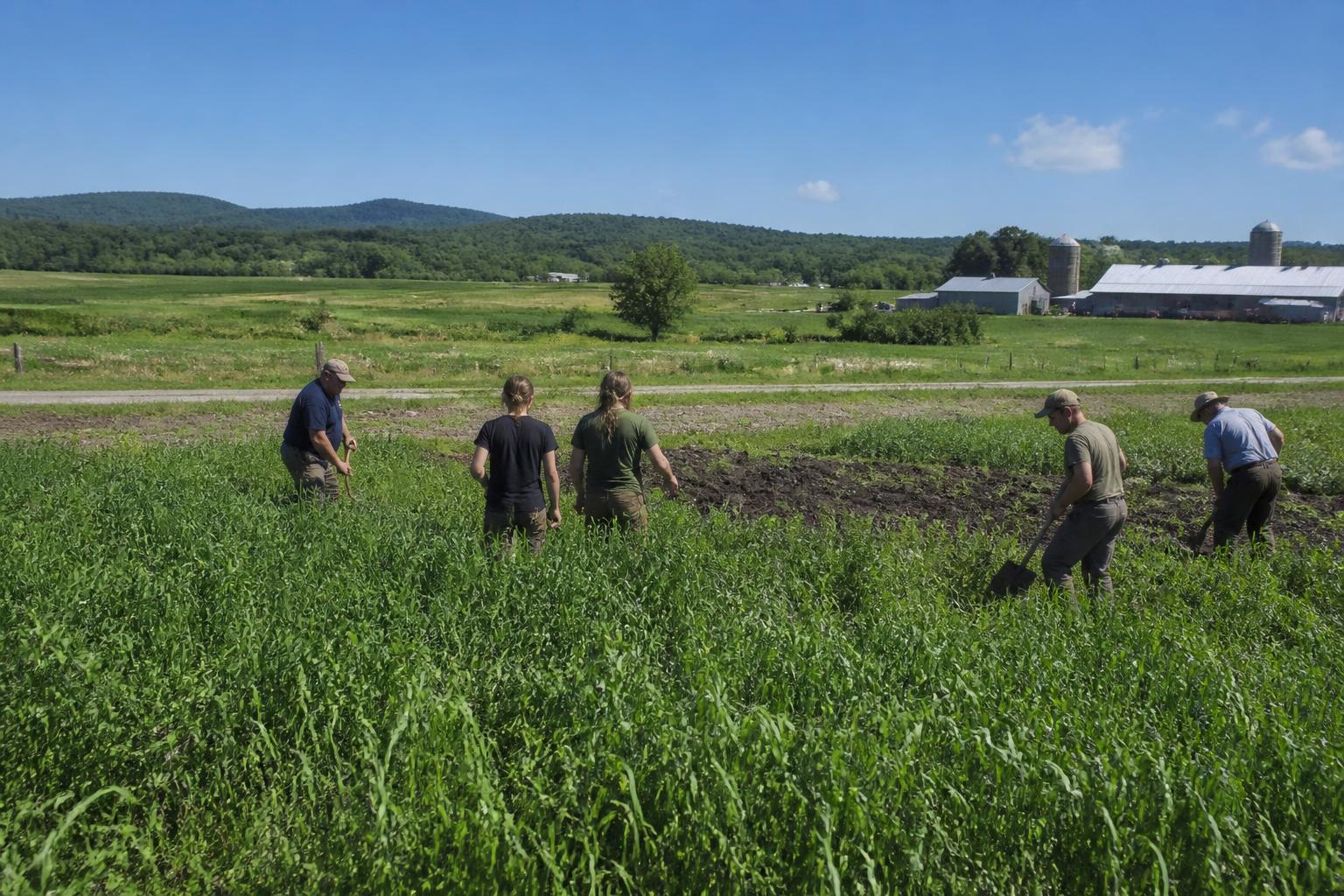
As Vermont agriculture navigates recovery and evolving input standards, producers are looking toward dual-purpose cropping and sustainable management to maintain operational stability.
Sign in to manage requests, save contacts and respond to market offers quickly.
Continue with Google Continue with MicrosoftSign in to manage requests, save contacts and respond to market offers quickly.
Continue with Google Continue with MicrosoftEnter your email and we will send a password reset link.
Don't have an account?
We value your privacy
We use cookies to run the site and, with your consent, to measure traffic (Google Analytics) and personalize ads. You can accept, reject, or choose. Privacy Policy