Managing Fall Crop Protection and Soil Health in West Virginia
As West Virginia producers navigate the final stages of the fall season, attention shifts to protective measures, cover crop management, and long-term soil strategy.
We collect original digests and analytical notes based on facts, market signals and verified sources.
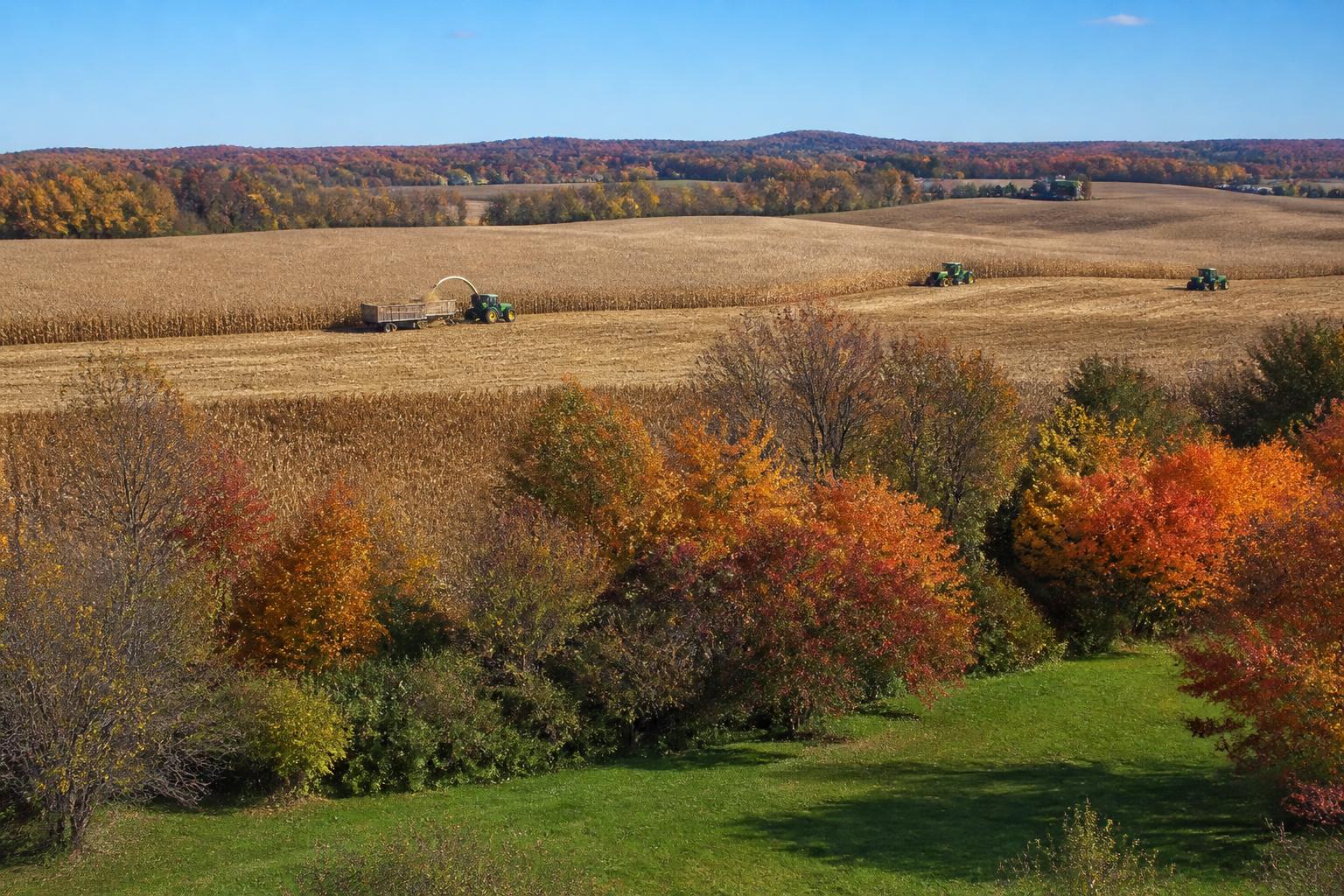
As New Jersey farmers wrap up their fall harvest, proactive strategies for soil maintenance and vigilant pest management remain essential to safeguarding the next season's productivity.
As West Virginia producers navigate the final stages of the fall season, attention shifts to protective measures, cover crop management, and long-term soil strategy.
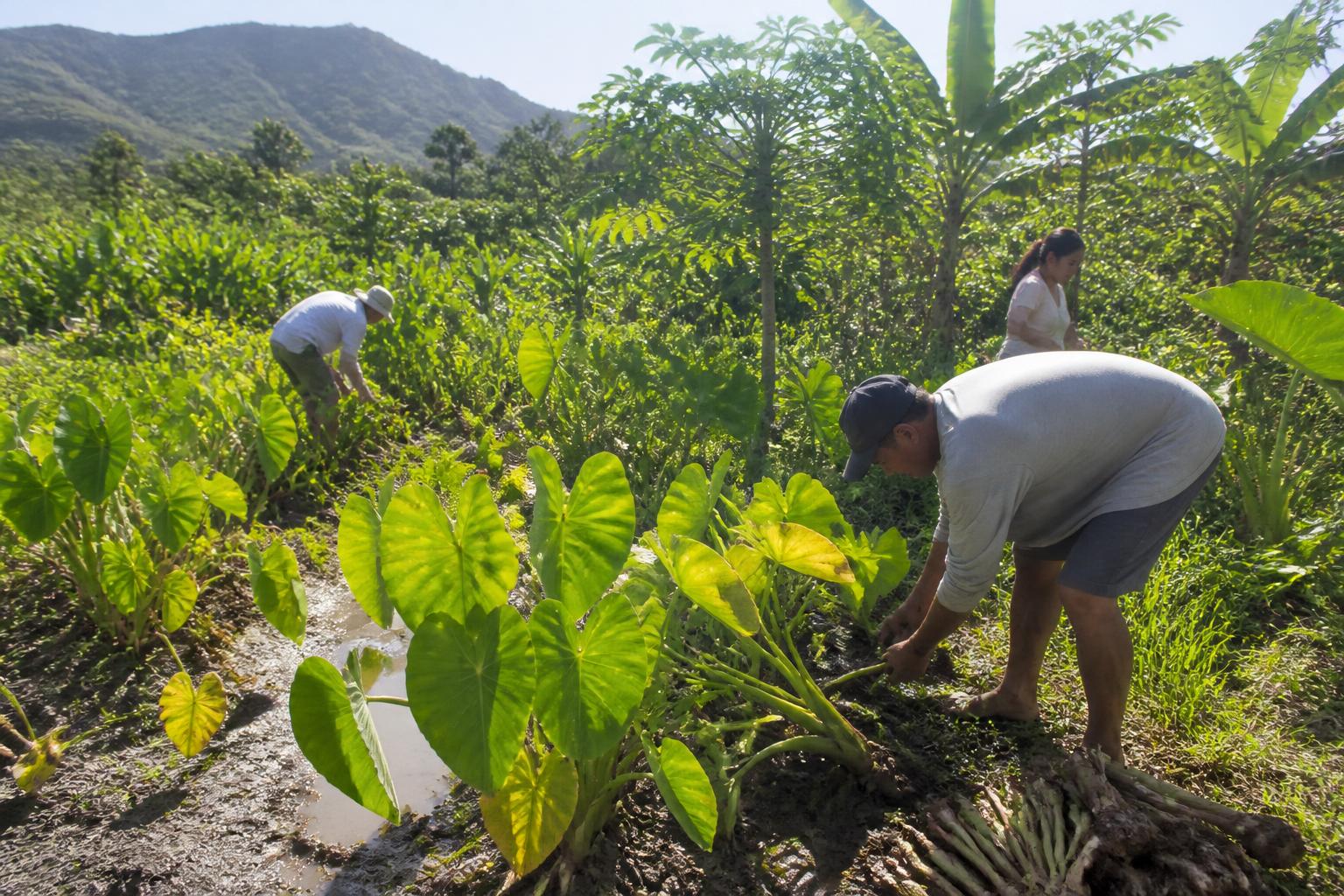
As Hawaii shifts toward localized food forest restoration and specialized crop production, balancing nutrient management with soil health is becoming a critical priority for local growers.
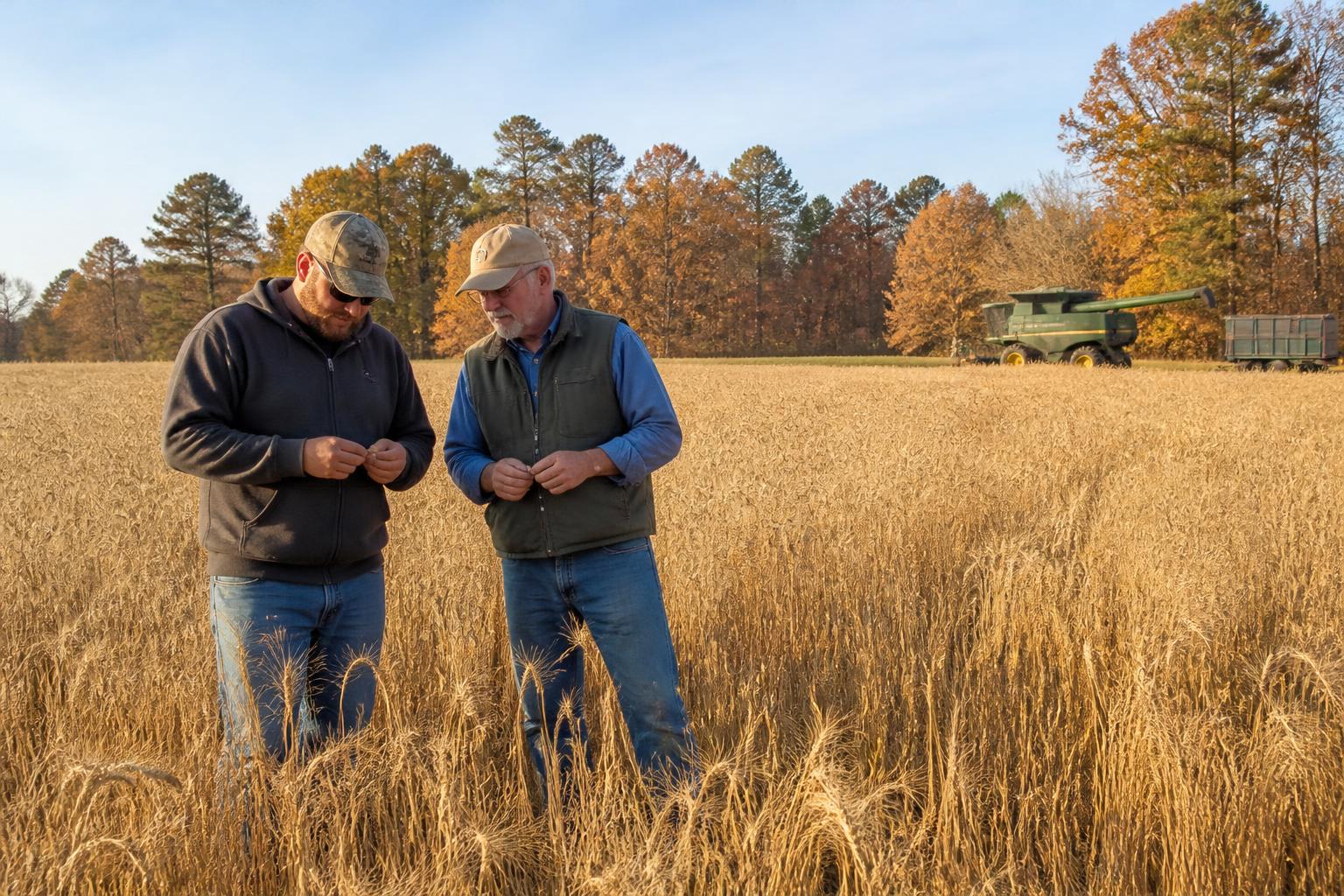
As Alabama producers wrap up fall harvest and begin seasonal soil preparation, market awareness regarding input accessibility and environmental factors becomes critical for long-term farm resilience.
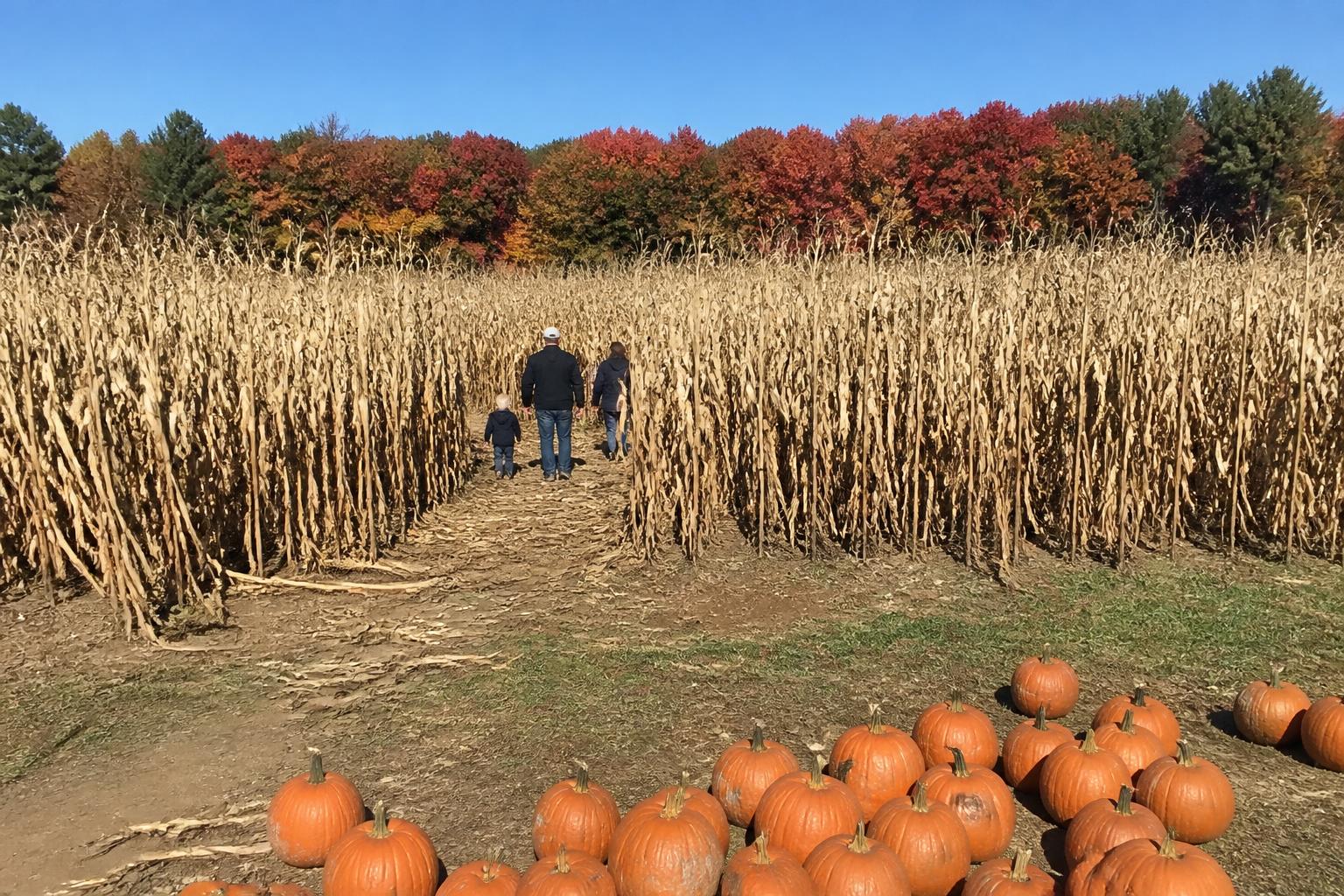
As Maine agriculture moves through late October, producers must balance ongoing harvest activities with critical soil management and pest protection strategies.
Maine farmers are balancing seasonal soil management and rising input costs this fall as they evaluate long-term strategies for resource resilience.
Researchers in Lingle are evaluating the potential of coal-based soil amendments to improve crop productivity, offering a potential new tool for Wyoming producers.
Wyoming producers are navigating a challenging fall harvest, balancing historic drought conditions with innovative soil management and rising input cost pressures.
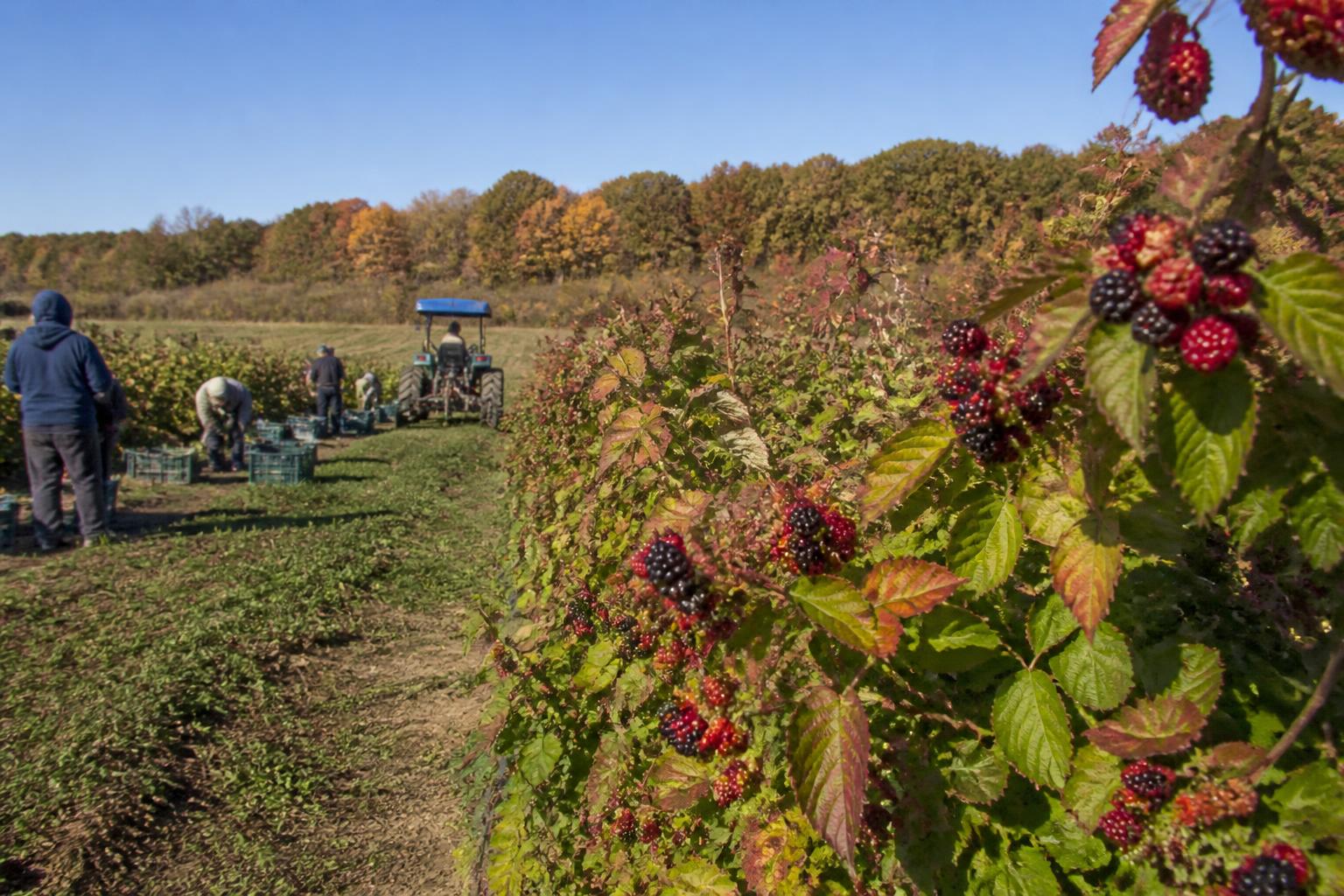
As fall harvest activities wind down across New Hampshire, local producers are increasingly exploring organic transitions and specialty berry production to boost long-term profitability.
As Maine's agricultural season winds down, producers are shifting focus toward long-term soil health management and the mitigation of emerging environmental risks.
As fall field operations continue, Oregon growers are finding that long-term soil health strategies like no-till and crop rotation are proving essential for sustainable yield management.
As the fall harvest season progresses in Rhode Island, local producers are focusing on long-term soil health and evaluating available grant support to navigate shifting market conditions.
As Idaho producers prepare for the next cycle, balancing input costs and soil nutrient management remains critical for long-term farm profitability.
Sign in to manage requests, save contacts and respond to market offers quickly.
Continue with Google Continue with MicrosoftSign in to manage requests, save contacts and respond to market offers quickly.
Continue with Google Continue with MicrosoftEnter your email and we will send a password reset link.
Don't have an account?
We value your privacy
We use cookies to run the site and, with your consent, to measure traffic (Google Analytics) and personalize ads. You can accept, reject, or choose. Privacy Policy