Connecticut Market Update: Managing Crop Protection and Seasonal Shifts
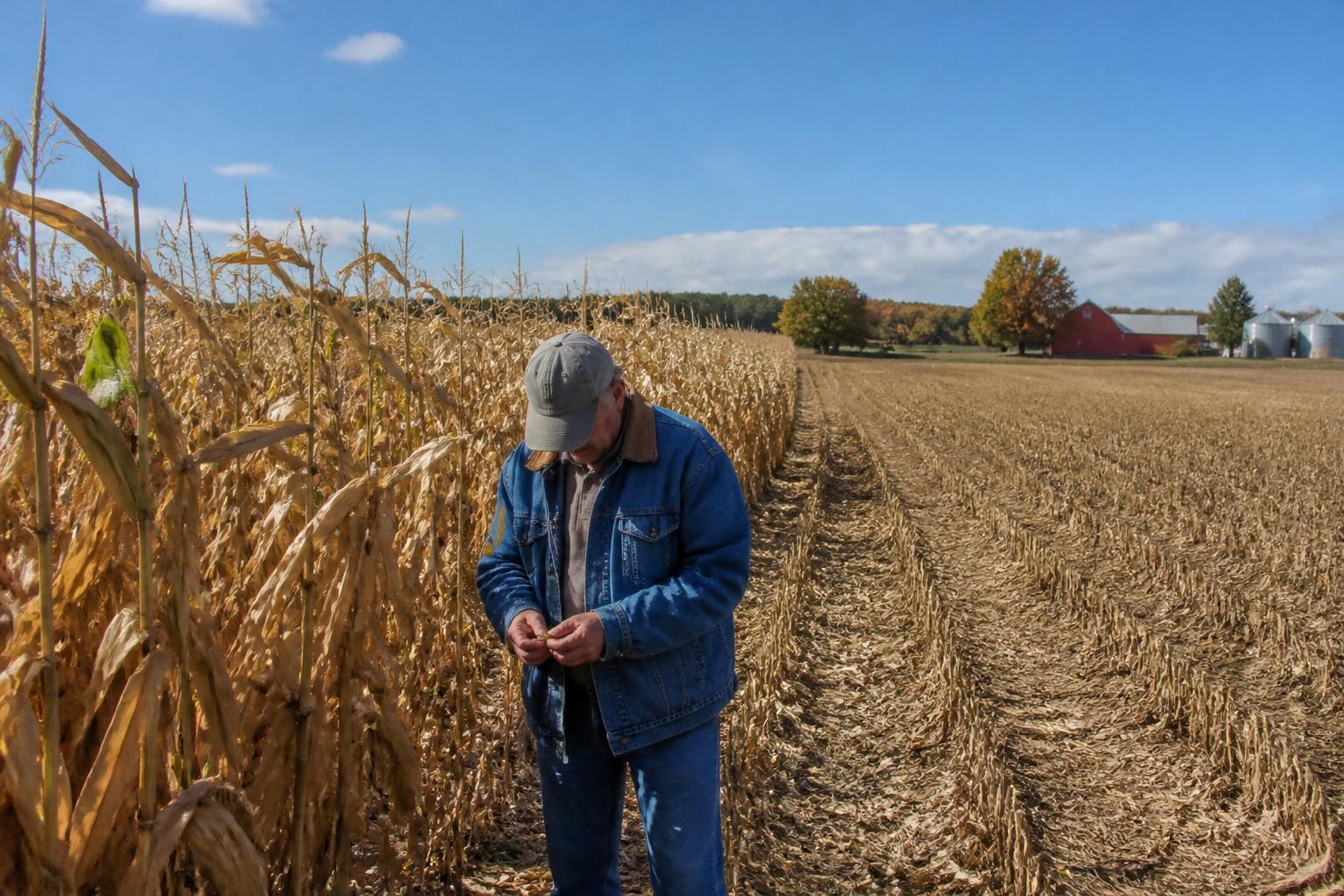
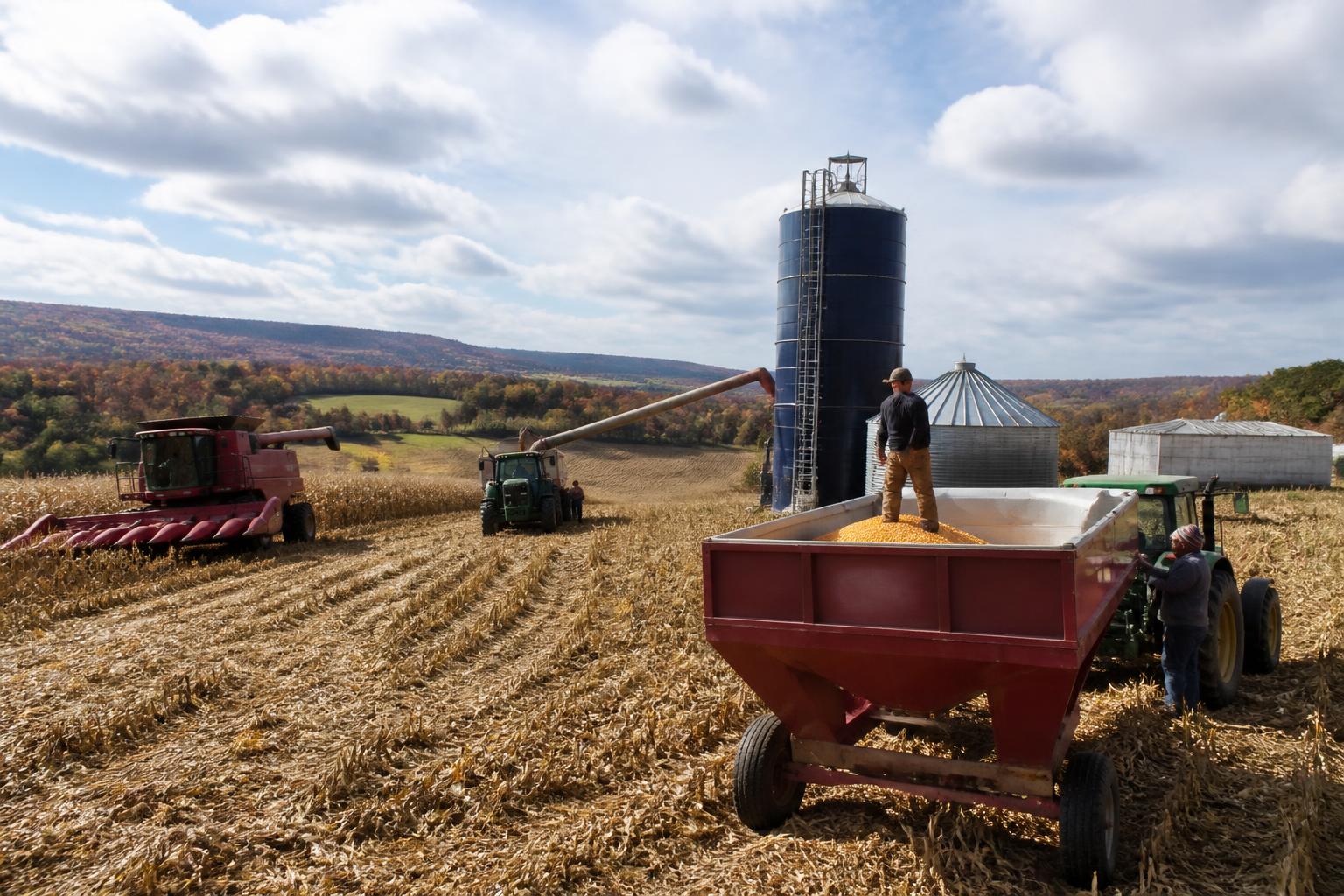
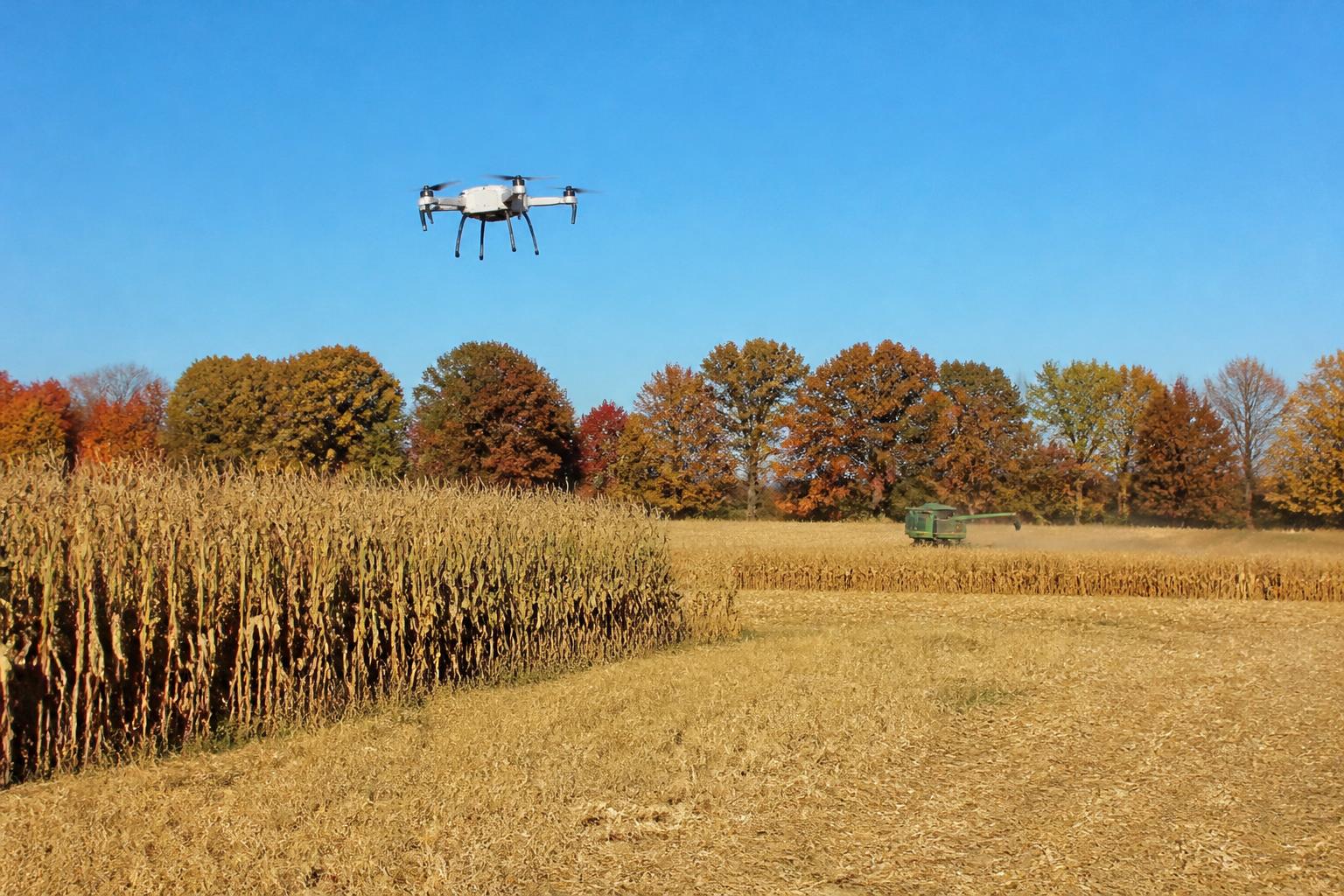
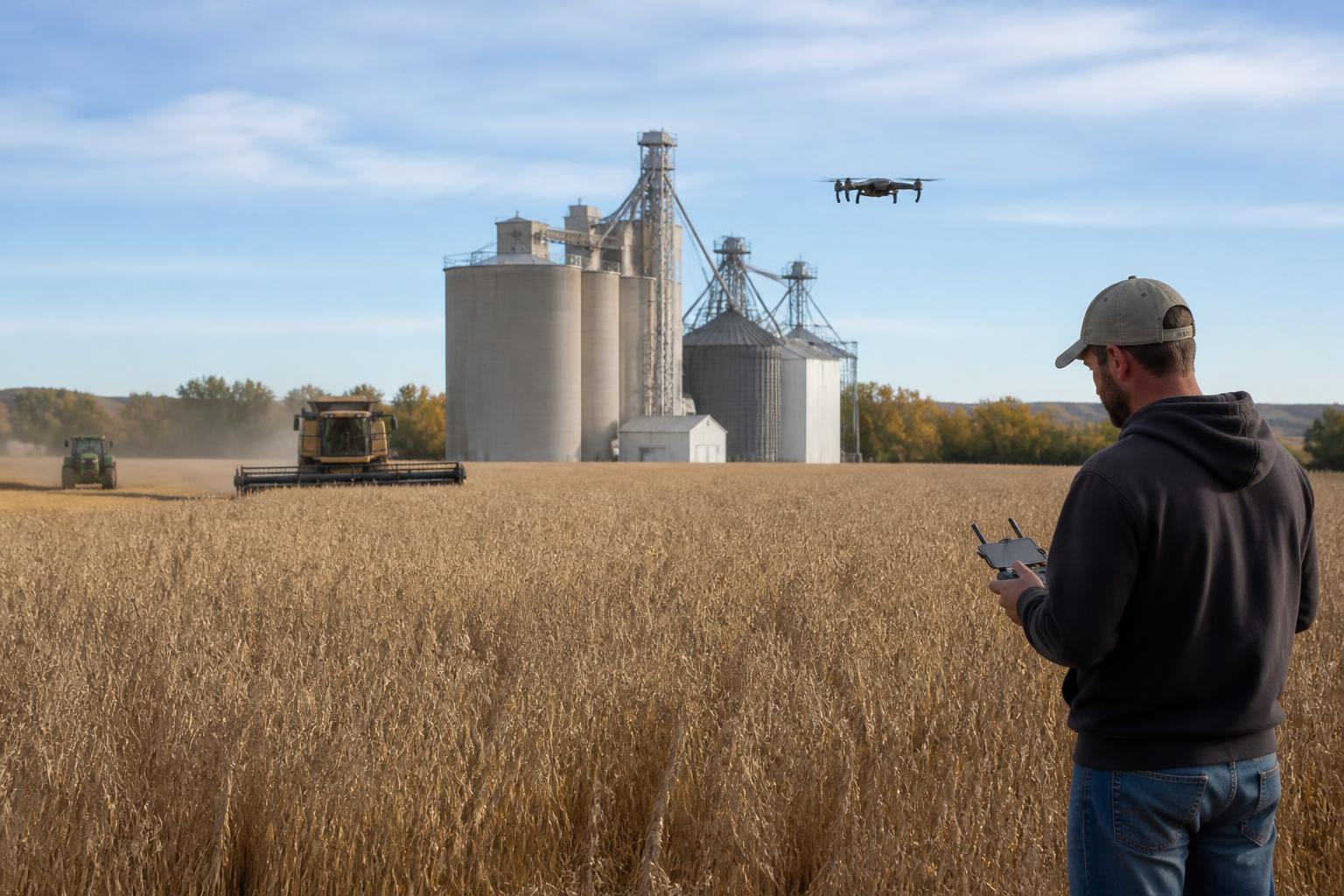
As Connecticut growers move through the peak of summer, attention shifts toward advanced crop protection tools and managing wildlife pressures.
We collect original digests and analytical notes based on facts, market signals and verified sources.
Arizona producers are navigating a complex summer as emerging pest threats and tightening input supplies challenge traditional management strategies in the desert.
As Connecticut growers move through the peak of summer, attention shifts toward advanced crop protection tools and managing wildlife pressures.
As Mississippi agriculture navigates the peak of summer, producers are balancing ongoing crop protection needs with a focus on long-term financial stability.
As New Jersey farmers face seasonal challenges, ranging from volatile weather to equipment security threats, proactive management remains essential for maintaining productivity.
As Kansas farmers grapple with historic lows in wheat production, industry focus shifts toward managing input efficiency and assessing the outlook for summer crop resilience.
As North Carolina farmers manage mid-summer crop protection, balancing input costs with strategic planting and hybrid selection remains key to long-term profitability.
As Delaware farmers manage mid-summer field pressures, new federal reporting requirements and evolving market conditions demand close attention to operational compliance and crop management.
As high temperatures and environmental pressures impact Oregon producers, focusing on advanced pest management and resource protection becomes essential for late-season harvest security.
North Dakota State University is launching state-funded trials to explore bee-vectored crop protection in sunflower fields, offering a new approach to disease and pest management.
As Washington producers navigate mid-summer operations, recent regulatory proposals and persistent shipping constraints continue to influence farm-gate planning and input strategies.
As New Jersey agriculture enters the second half of the summer season, producers are balancing intense heat management with ongoing efforts to monitor and control crop-threatening pests.
As tar spot is detected in Kansas cornfields, growers are urged to step up scouting efforts to protect yields while industry groups advocate for fair fertilizer market practices.
As summer operations peak in Oklahoma, producers are looking toward enhanced biological and chemical management tools to mitigate crop stress and optimize long-term yields.
Sign in to manage requests, save contacts and respond to market offers quickly.
Continue with Google Continue with MicrosoftSign in to manage requests, save contacts and respond to market offers quickly.
Continue with Google Continue with MicrosoftEnter your email and we will send a password reset link.
Don't have an account?
We value your privacy
We use cookies to run the site and, with your consent, to measure traffic (Google Analytics) and personalize ads. You can accept, reject, or choose. Privacy Policy