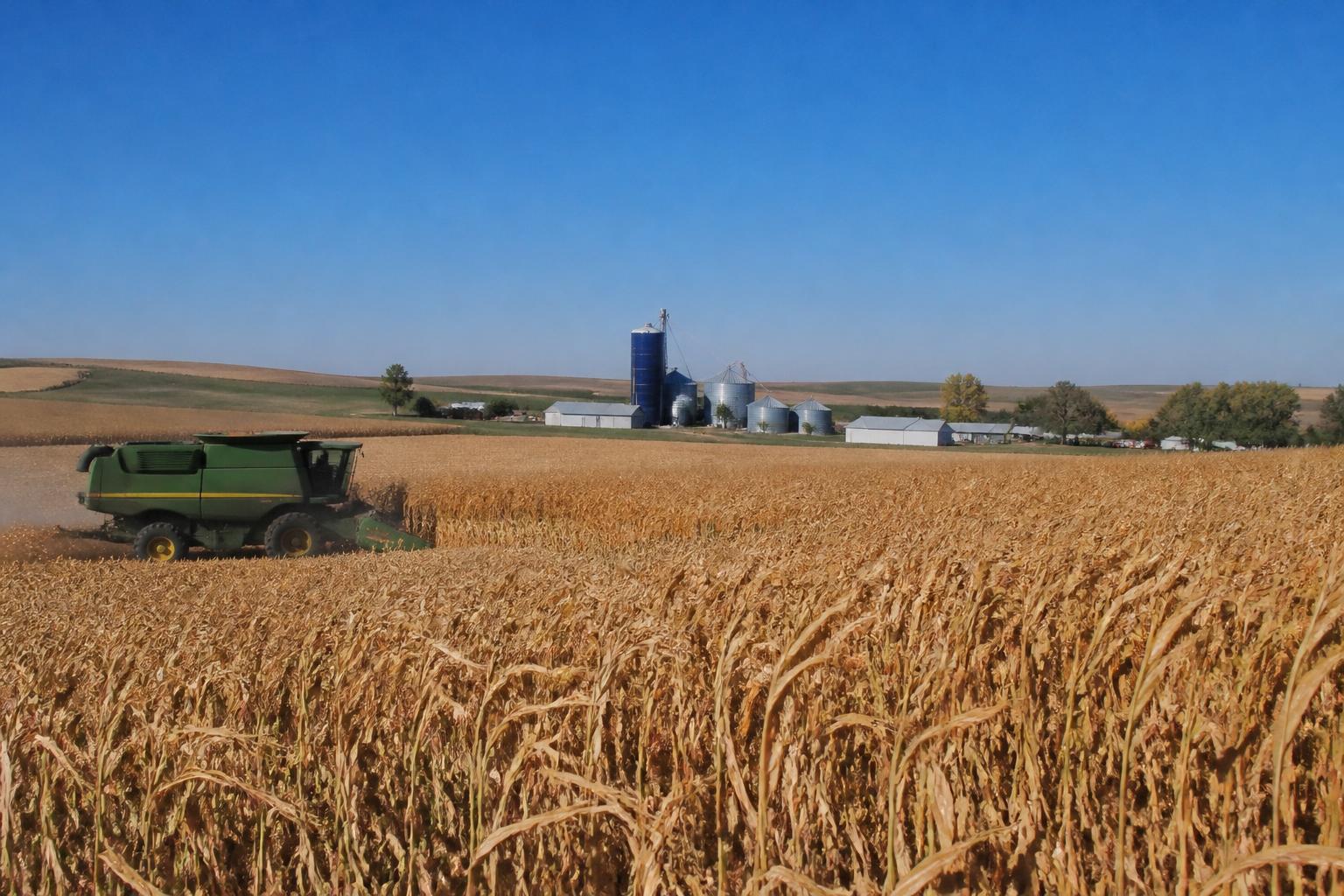
North Dakota Fertilizer Market Outlook: Managing Persistent Input Costs Through Fall
As North Dakota growers assess the season, persistent urea and fertilizer price pressures remain a central factor for long-term planning and input procurement.
We collect original digests and analytical notes based on facts, market signals and verified sources.
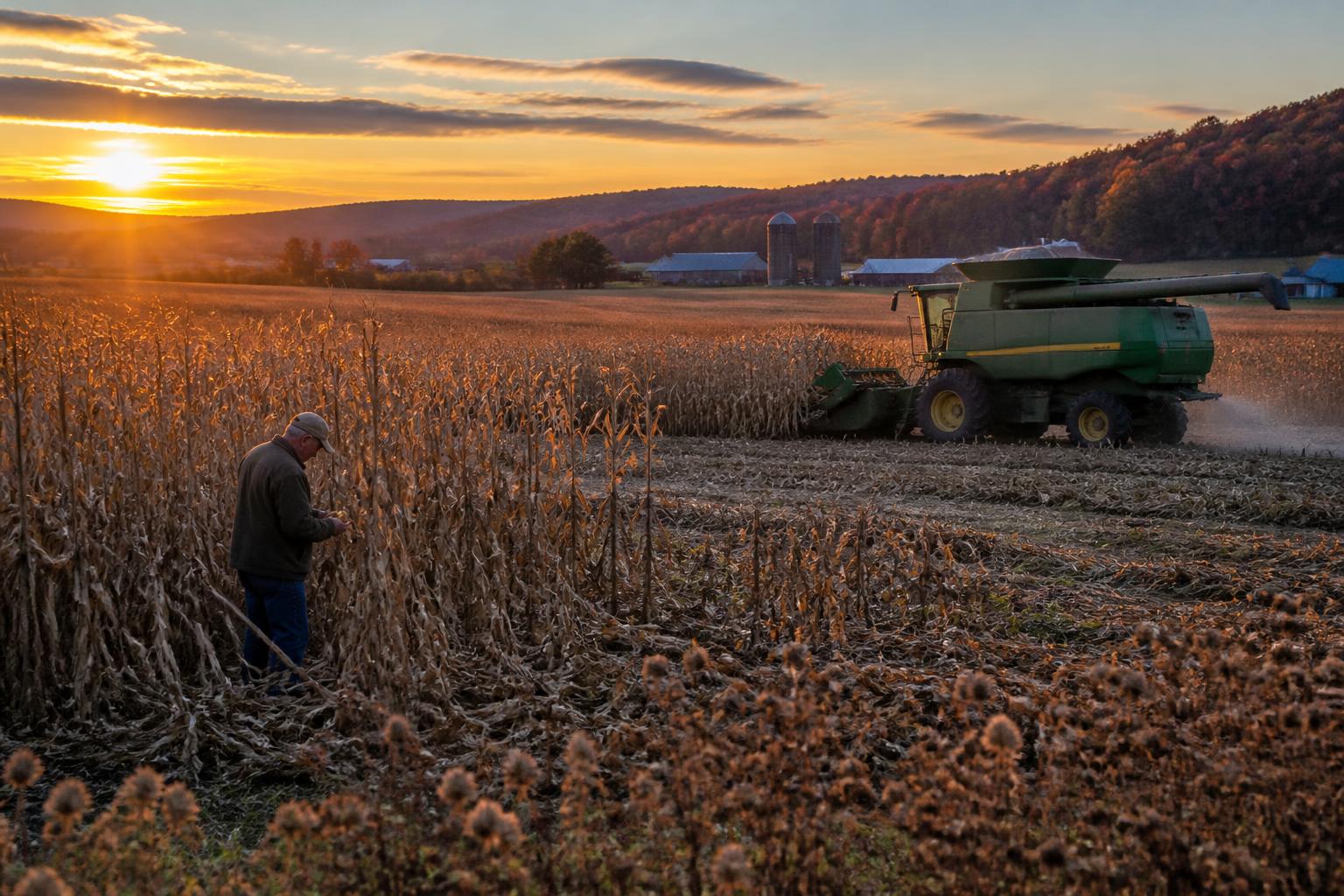
As Utah producers wrap up fall field operations, the focus shifts to fertilizer procurement strategies amid ongoing federal investments in domestic production and evolving supply chain dynamics.
As North Dakota growers assess the season, persistent urea and fertilizer price pressures remain a central factor for long-term planning and input procurement.
As the fall harvest season progresses, Connecticut producers are monitoring slight shifts in national corn pricing that influence local operational planning.
As the fall harvest season approaches in Delaware, growers face shifting global market conditions and input cost pressures that require careful attention to supply chain logistics.
As Wisconsin growers transition into the fall harvest, shifting market demands for corn and soybeans are prompting producers to re-evaluate their storage and marketing strategies.
As fall field work accelerates in Oklahoma, producers face a combination of global market instability and ongoing challenges with grain pricing and input management.
As fall harvest begins in New Hampshire, producers are balancing shifting pesticide regulations and land management concerns with the need for robust grain marketing strategies.
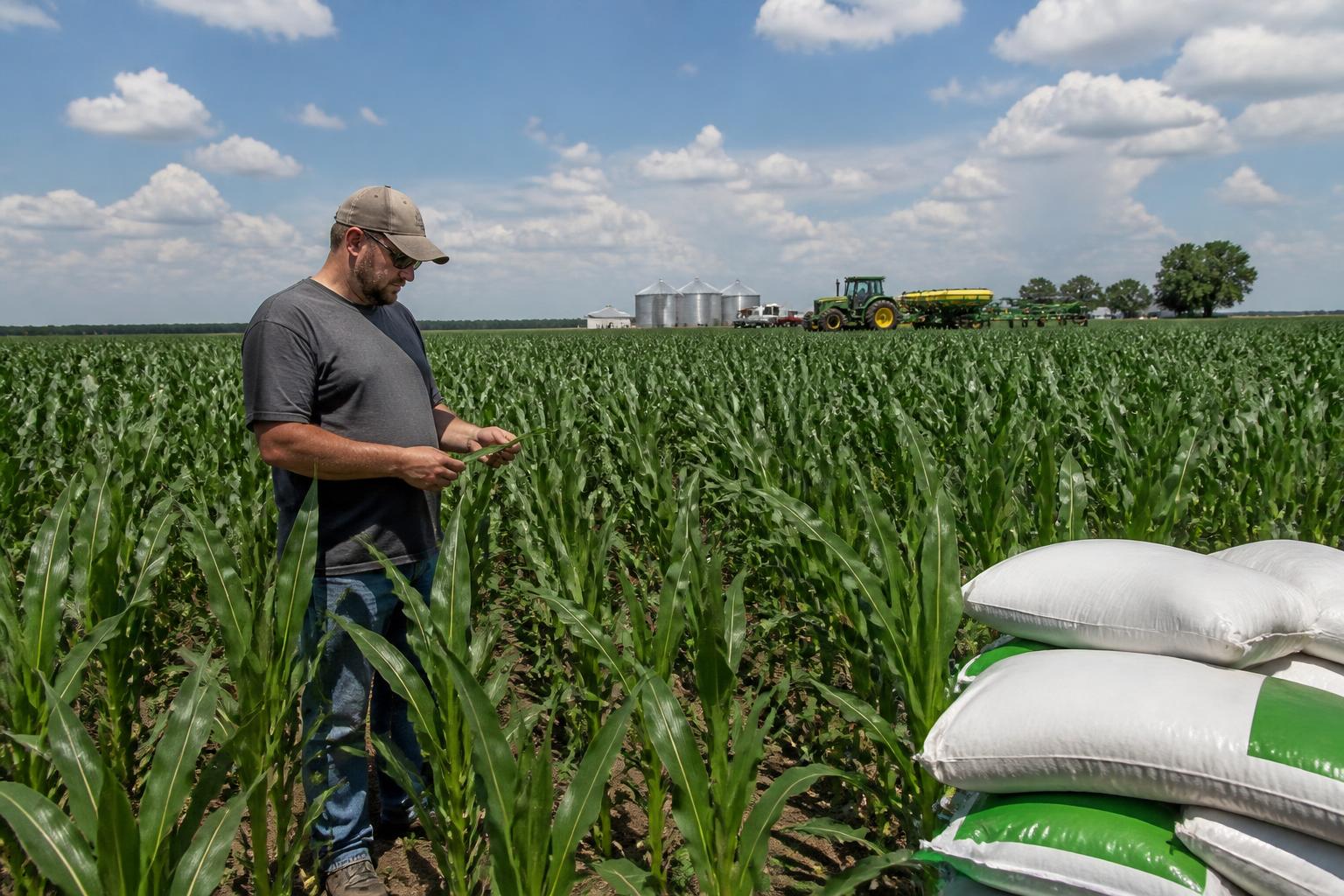
As Massachusetts producers manage late-summer crop health, global fertilizer supply pressures continue to influence regional input procurement strategies.
Wisconsin growers are navigating shifting grain market dynamics and rising input costs as the summer season progresses toward the final stretch of development.
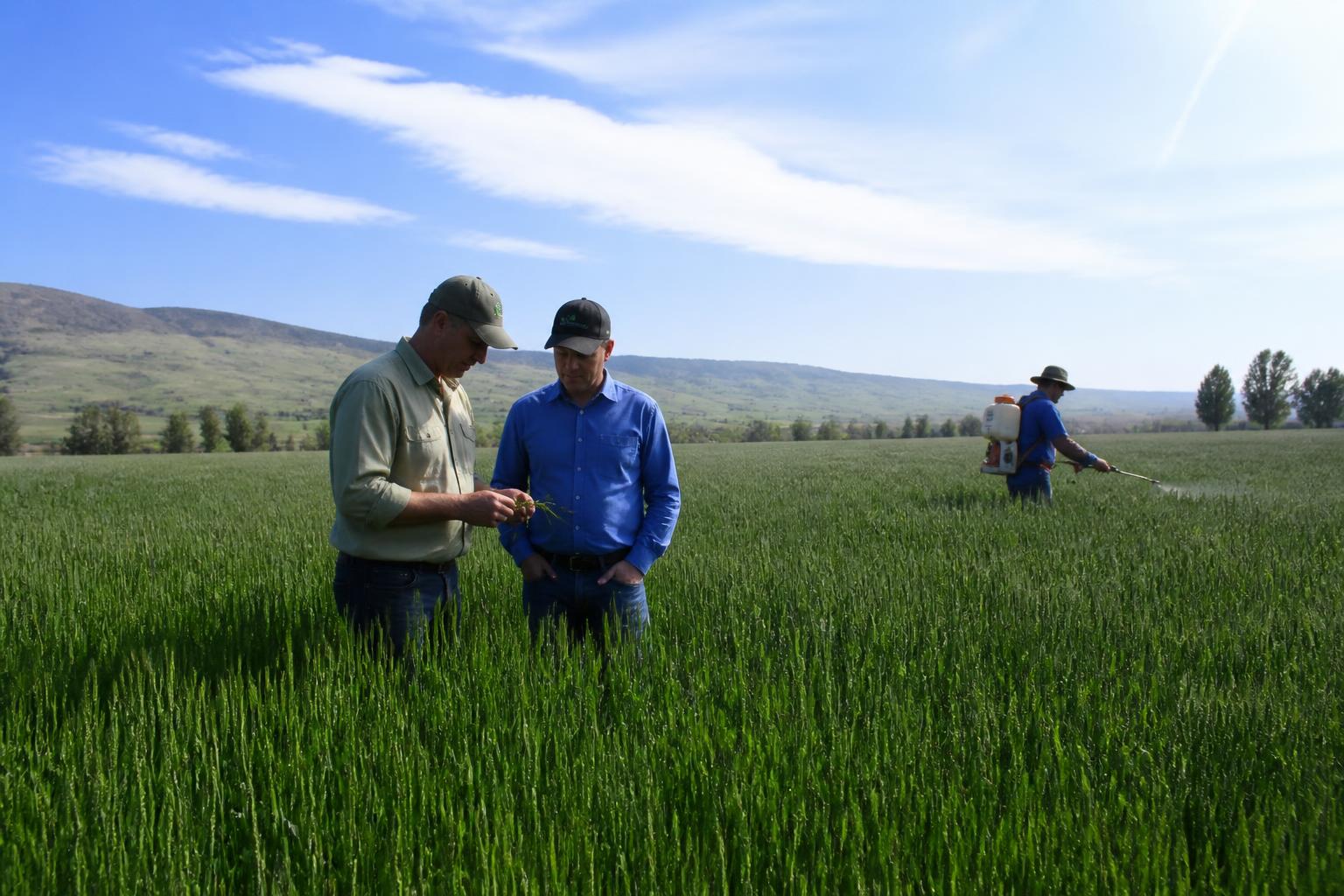
As August fieldwork intensifies across New York, producers are evaluating late-season crop protection strategies to mitigate pest and disease pressure while monitoring broader market volatility.
Recent shifts in national production estimates are impacting grain markets, prompting Nevada producers to monitor local conditions and supply chain adjustments.
North Carolina growers are navigating complex logistics and evolving grain basis conditions as the summer season progresses.
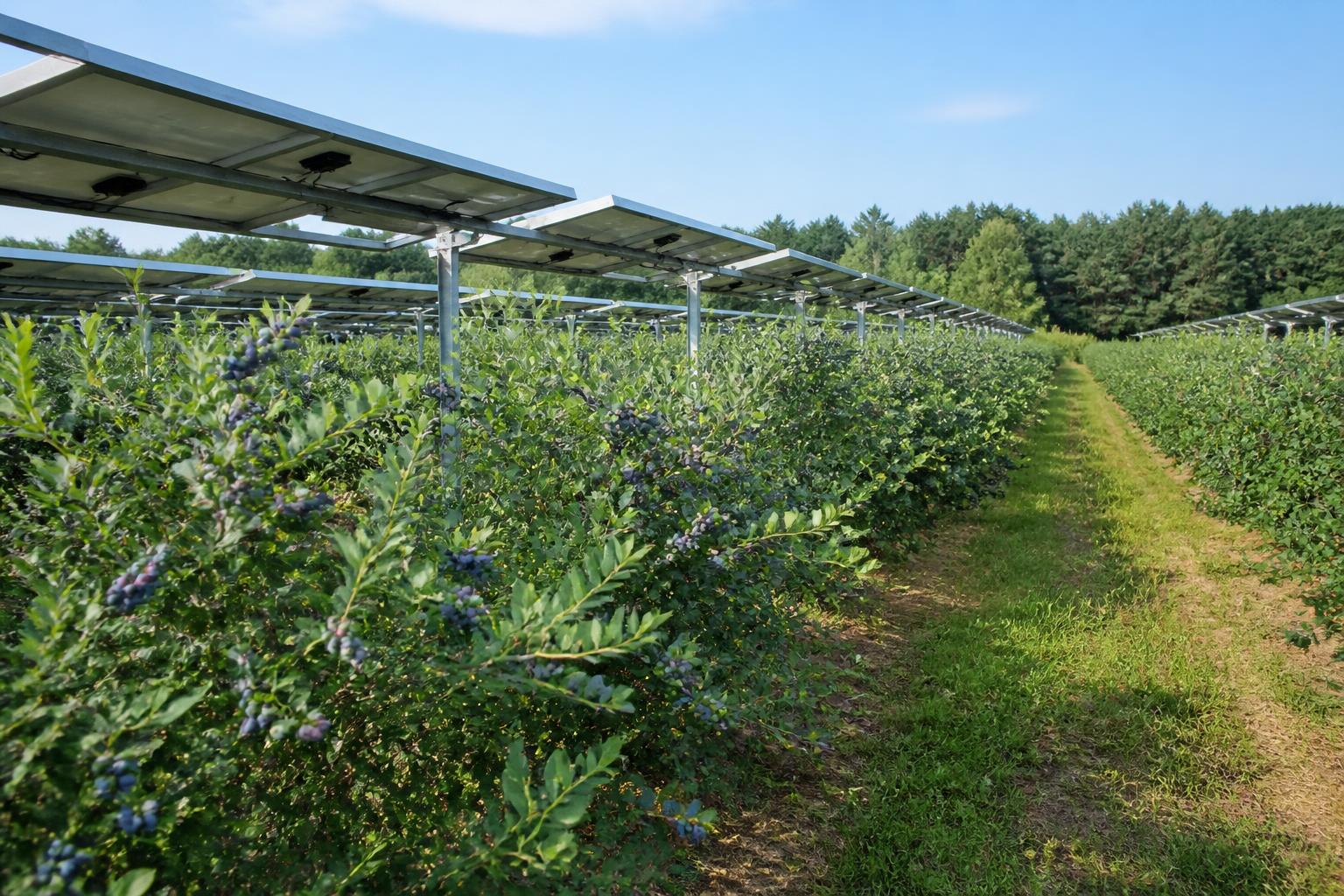
As West Virginia producers navigate the heat of July, markets remain in a holding pattern awaiting federal supply data. Local growers are balancing specialty crop interests with long-term infrastructure considerations.
Sign in to manage requests, save contacts and respond to market offers quickly.
Continue with Google Continue with MicrosoftSign in to manage requests, save contacts and respond to market offers quickly.
Continue with Google Continue with MicrosoftEnter your email and we will send a password reset link.
Don't have an account?
We value your privacy
We use cookies to run the site and, with your consent, to measure traffic (Google Analytics) and personalize ads. You can accept, reject, or choose. Privacy Policy