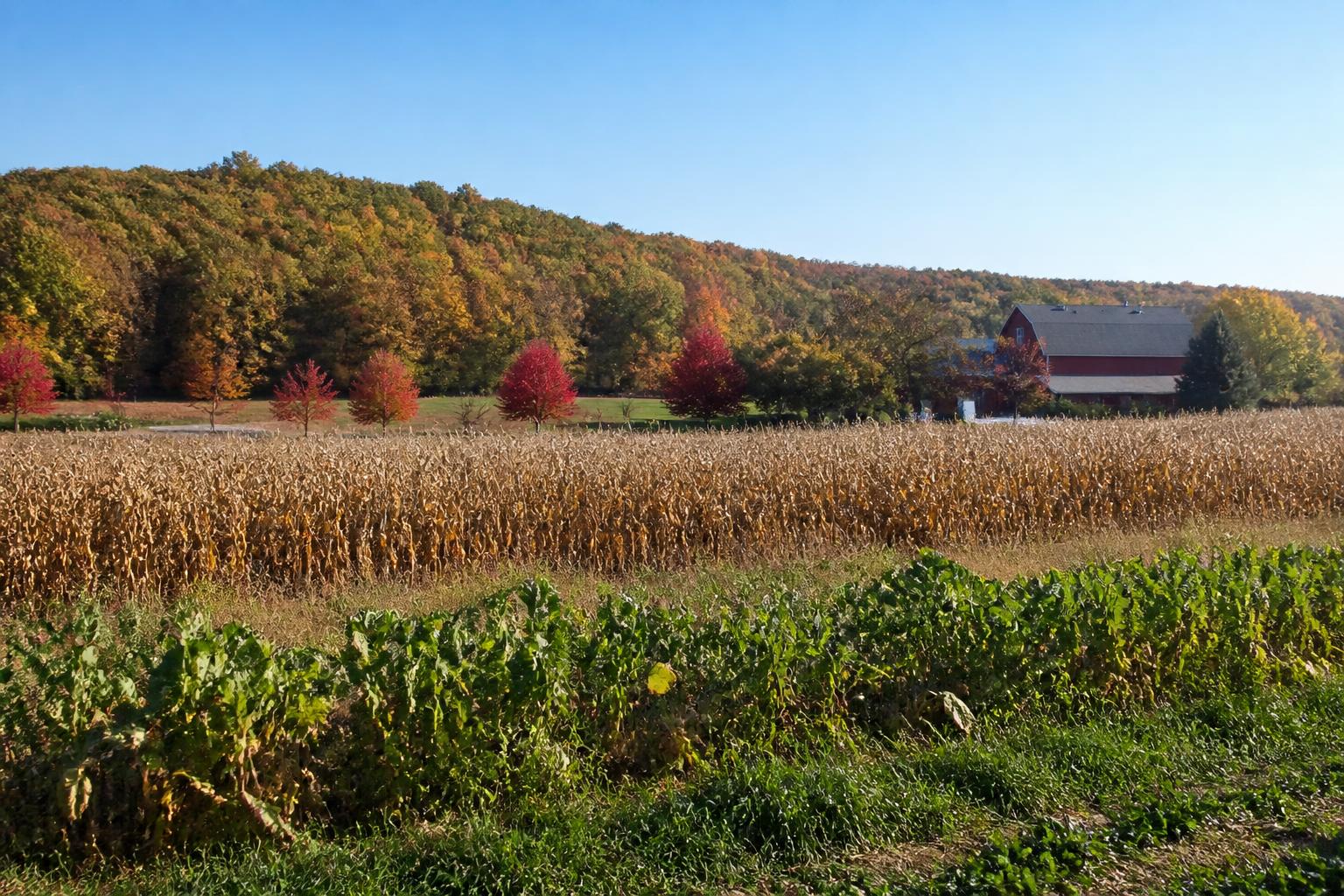
Managing Emerging Weed Pressures and Conservation Investments in New York Agriculture
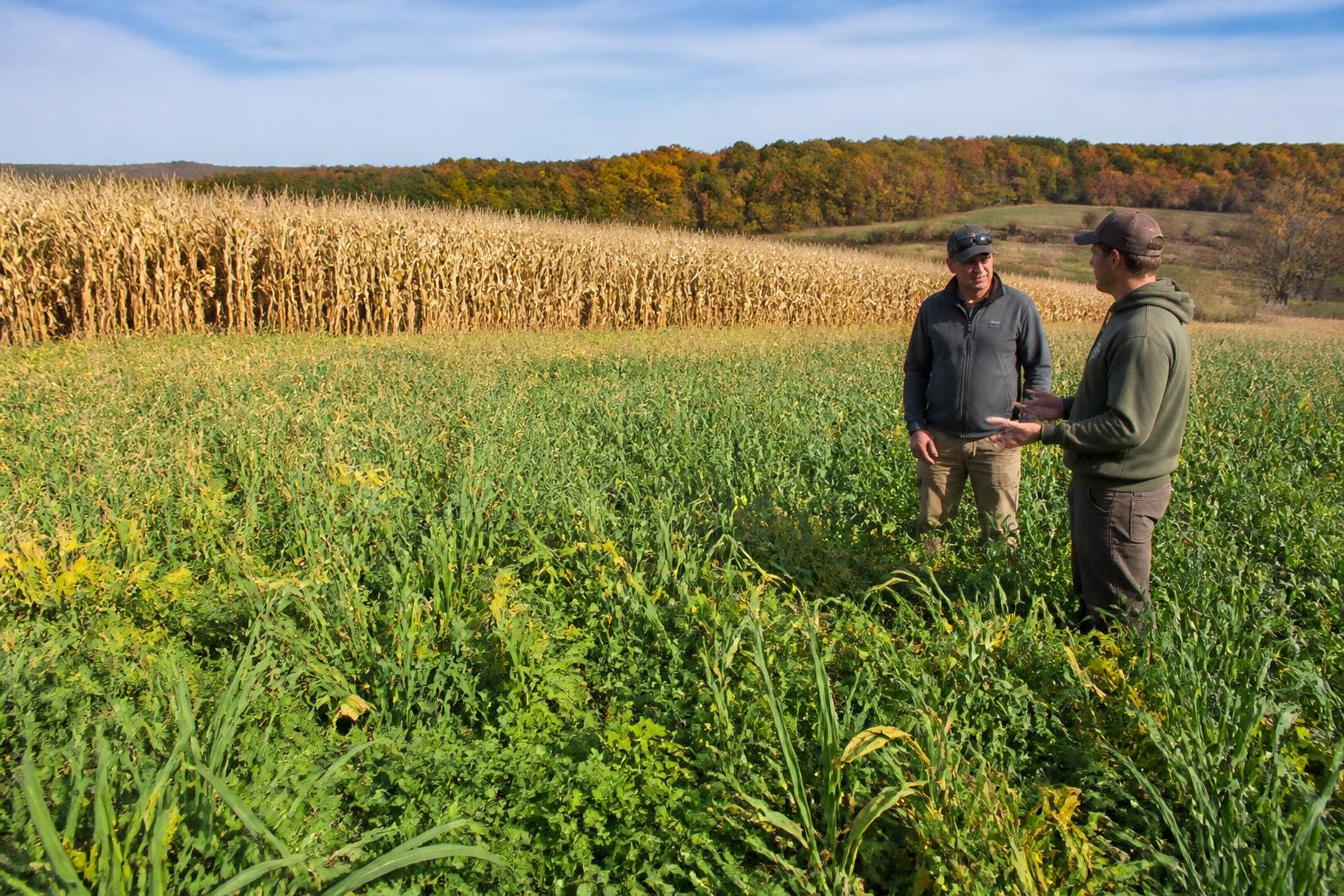
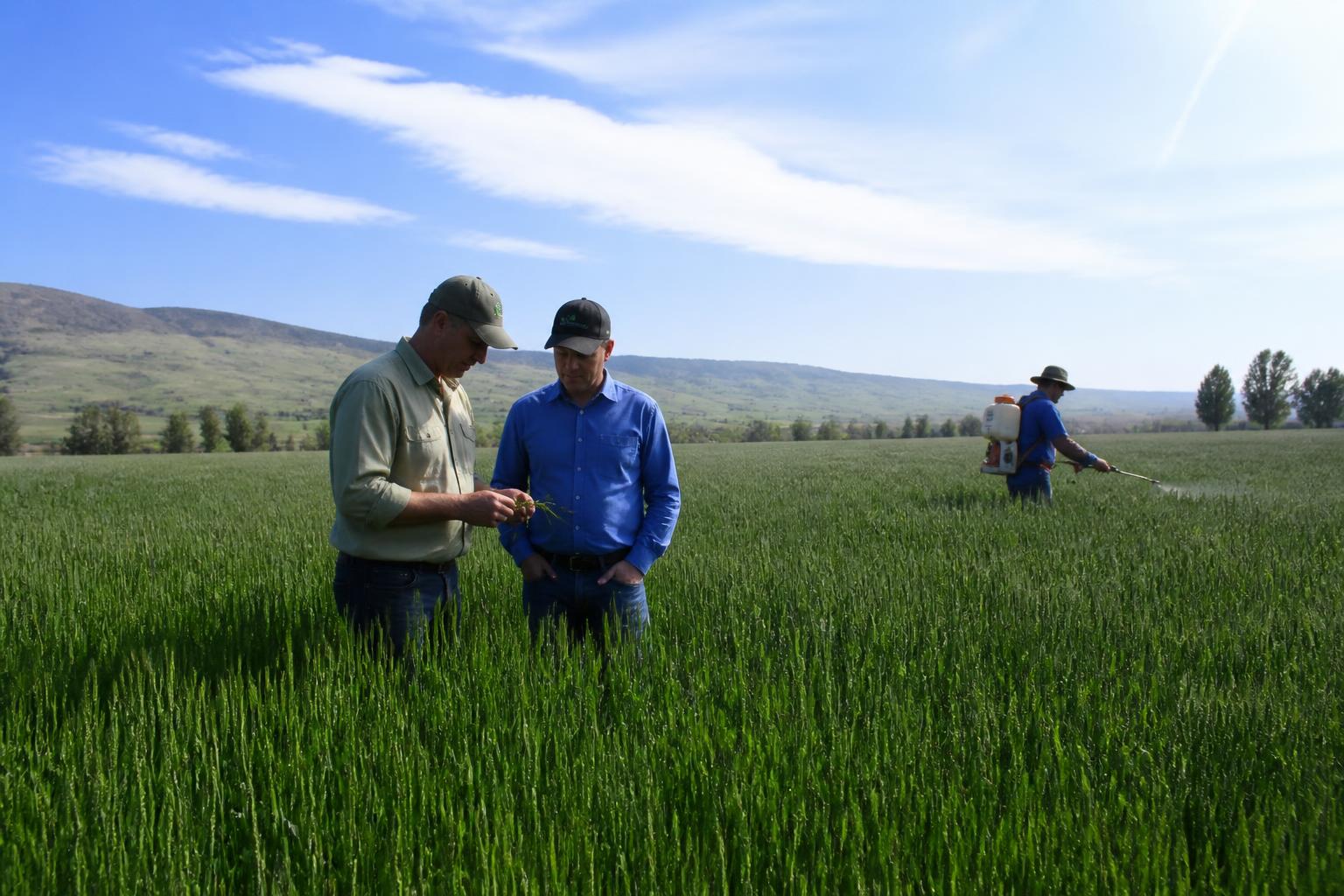
New York growers are balancing a growing threat from glyphosate-resistant superweeds with new opportunities for farm sustainability funding.
We collect original digests and analytical notes based on facts, market signals and verified sources.
A significant federal rail grant for a New York short line carrier highlights ongoing efforts to modernize regional logistics, promising better connectivity for the state's agricultural supply chain.
New York growers are balancing a growing threat from glyphosate-resistant superweeds with new opportunities for farm sustainability funding.
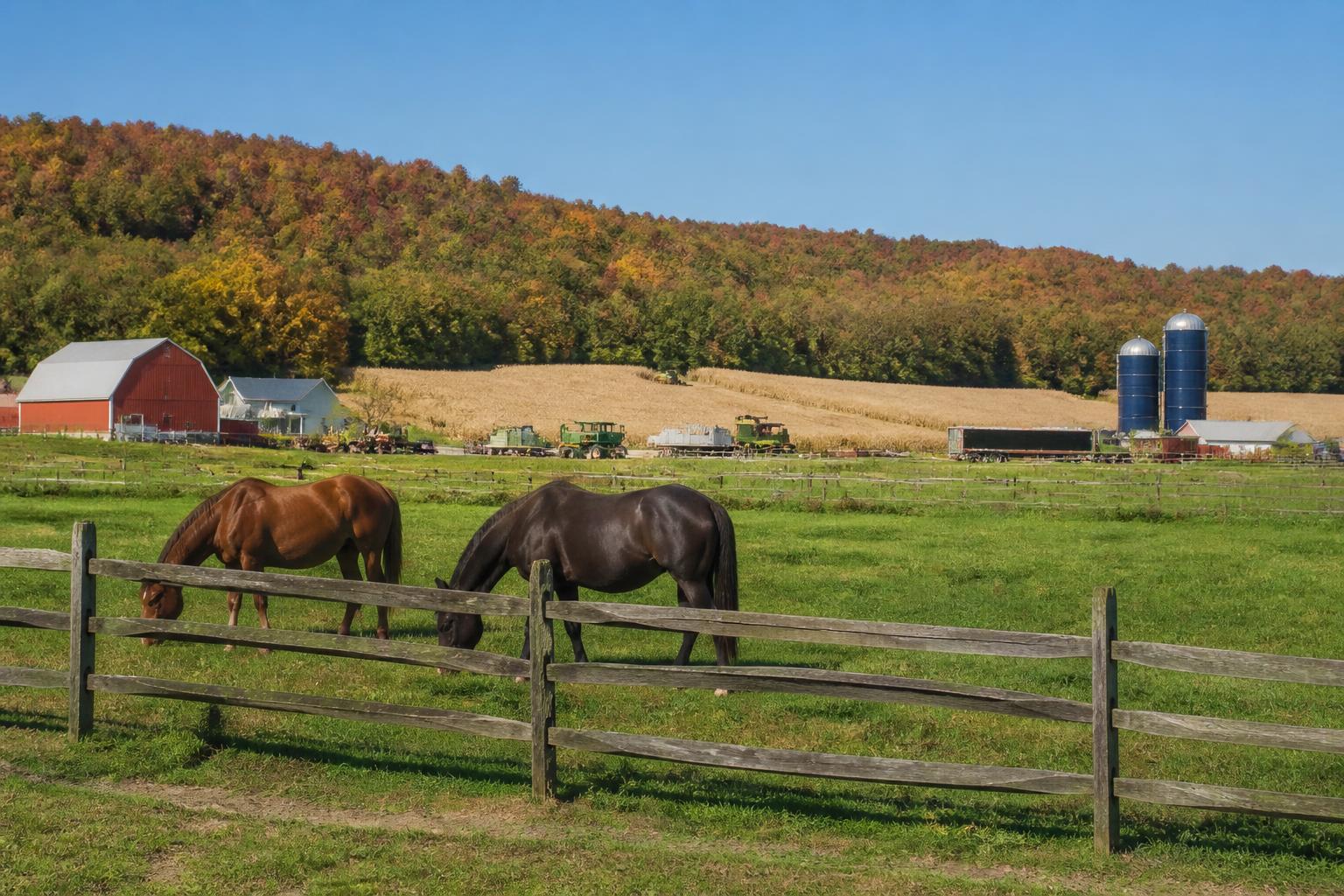
As New York farmers move deeper into the fall season, managing fuel expenses and infrastructure maintenance remains critical for logistics efficiency.
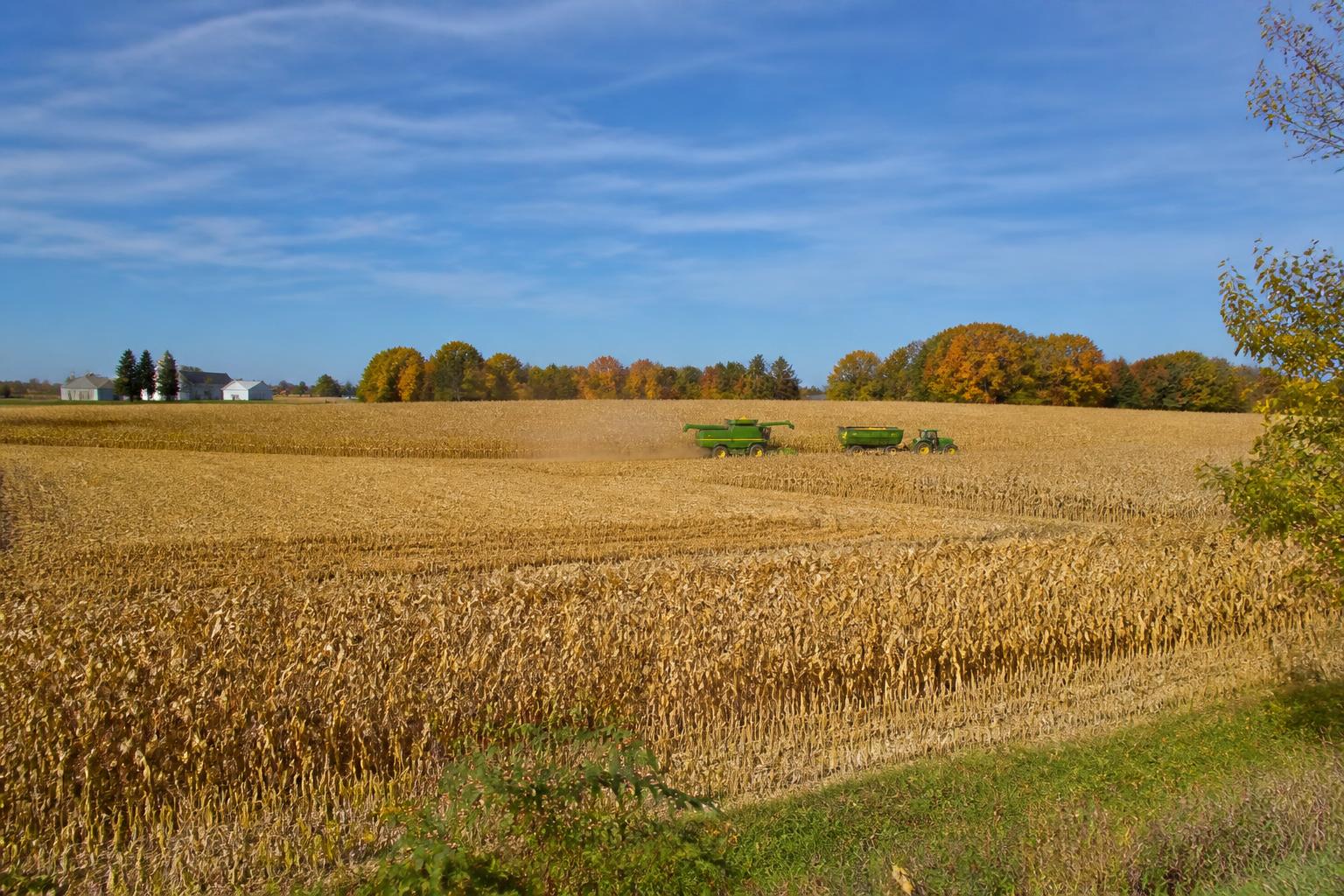
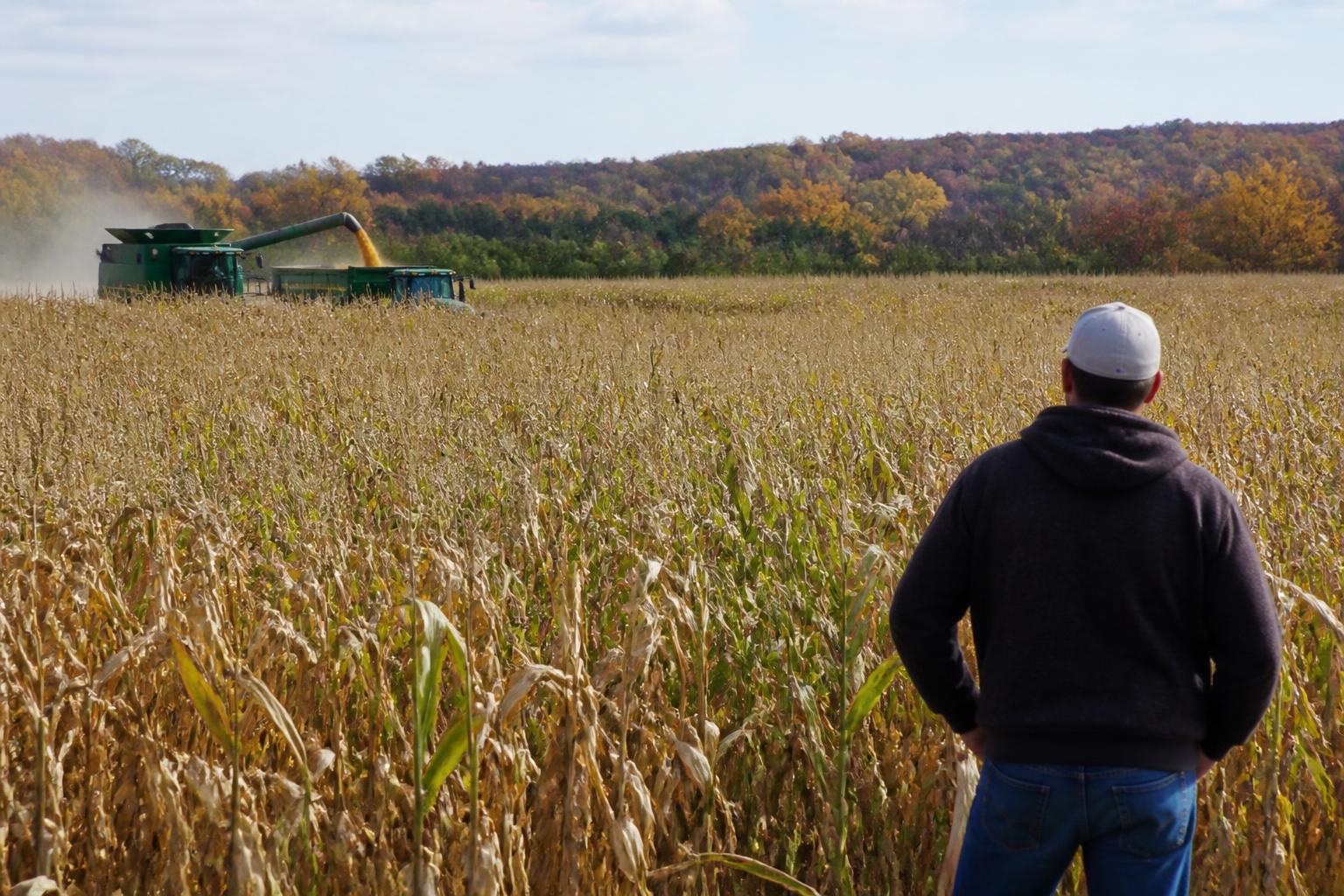
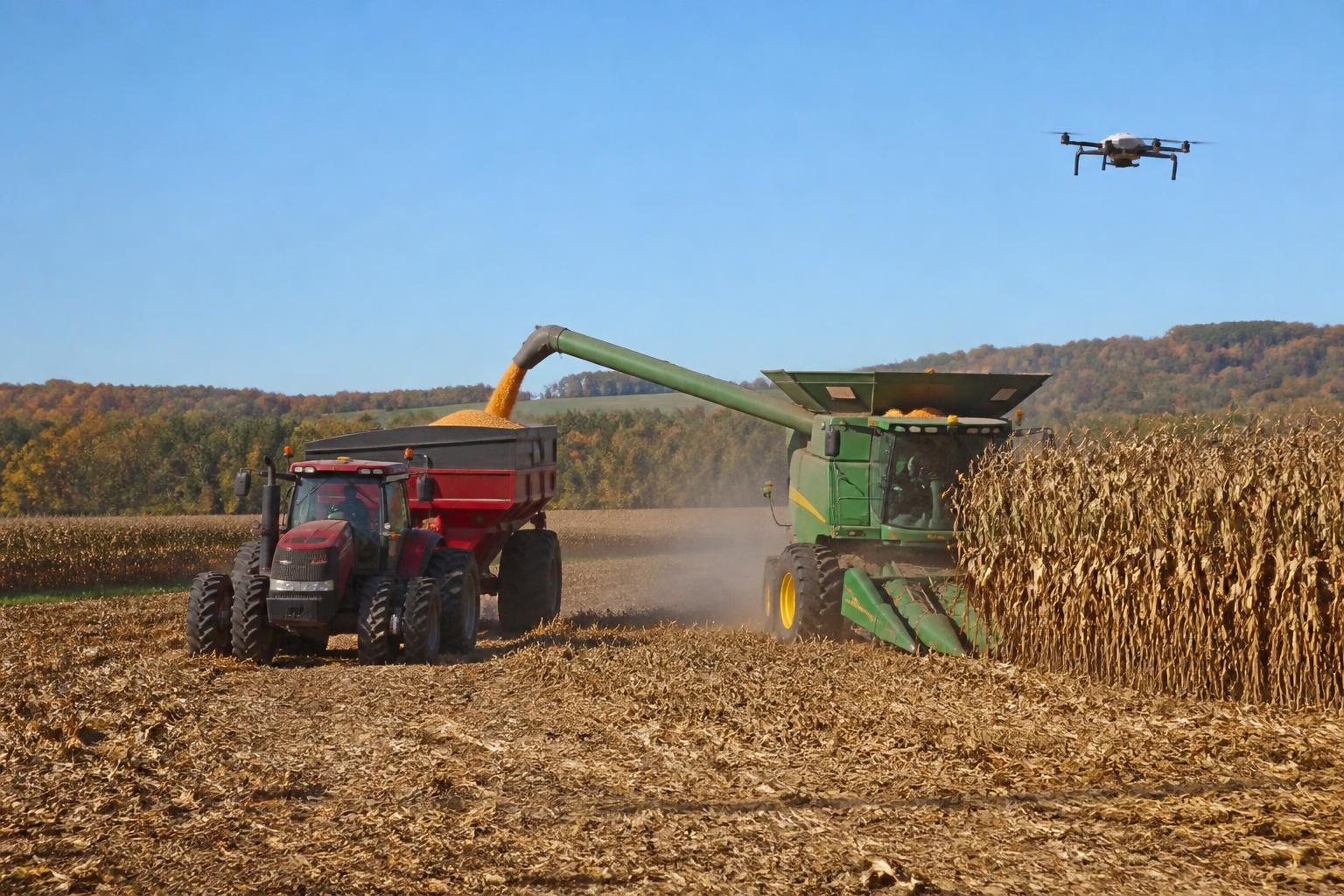
As the fall harvest accelerates across New York, producers face a complex landscape of regulatory, logistical, and environmental challenges impacting grain and crop management.
As New York fields shift into full harvest gear this fall, agribusinesses and transporters must remain vigilant regarding regional regulatory oversight and shifting supply chain demands.
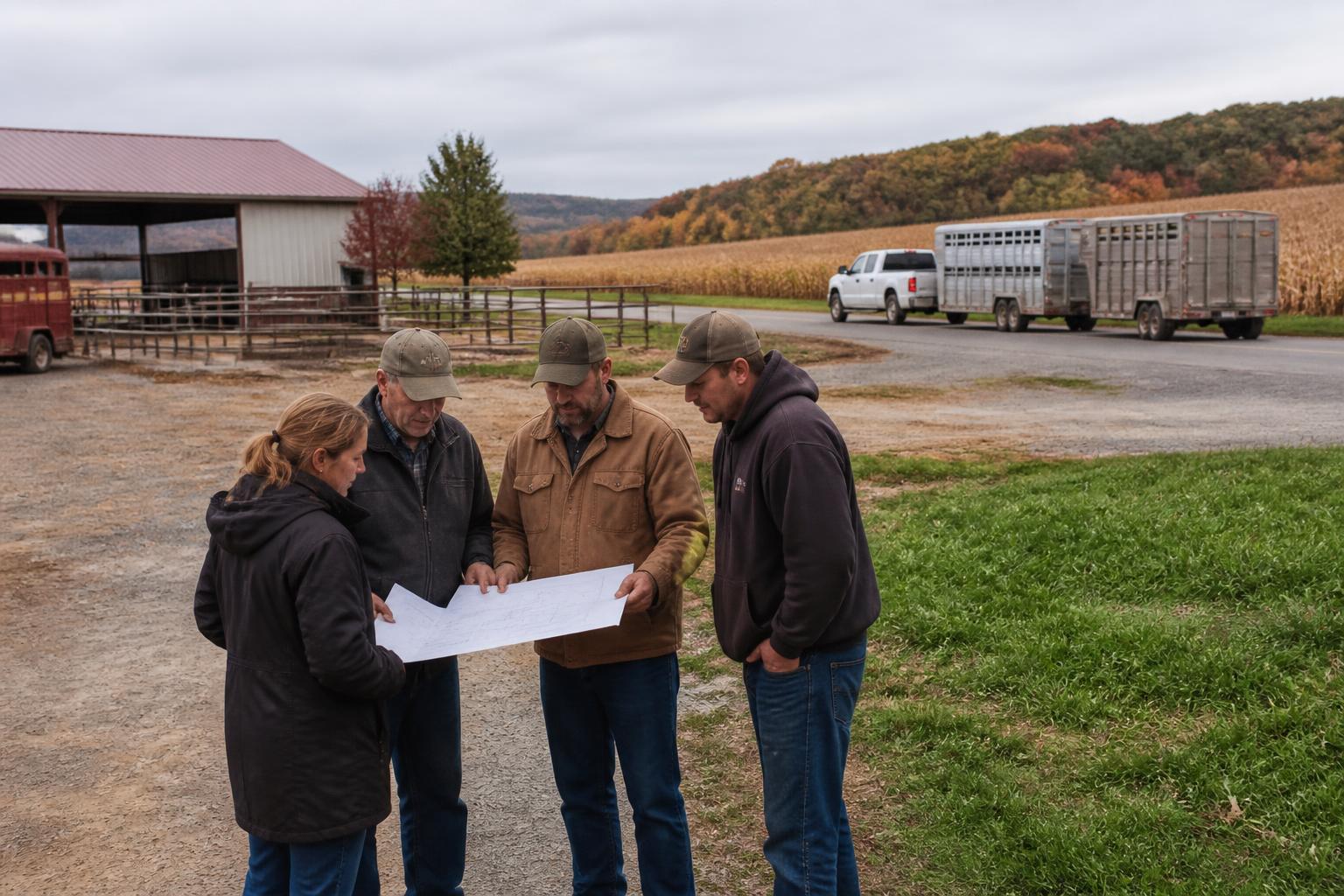
As fall harvest activities ramp up across New York, producers and carriers are facing tightened oversight on livestock transport and shifting regulatory landscapes affecting workforce mobility.
As harvest season accelerates across New York, producers face a complex landscape of rising input costs and shifting logistics requirements that demand proactive planning.
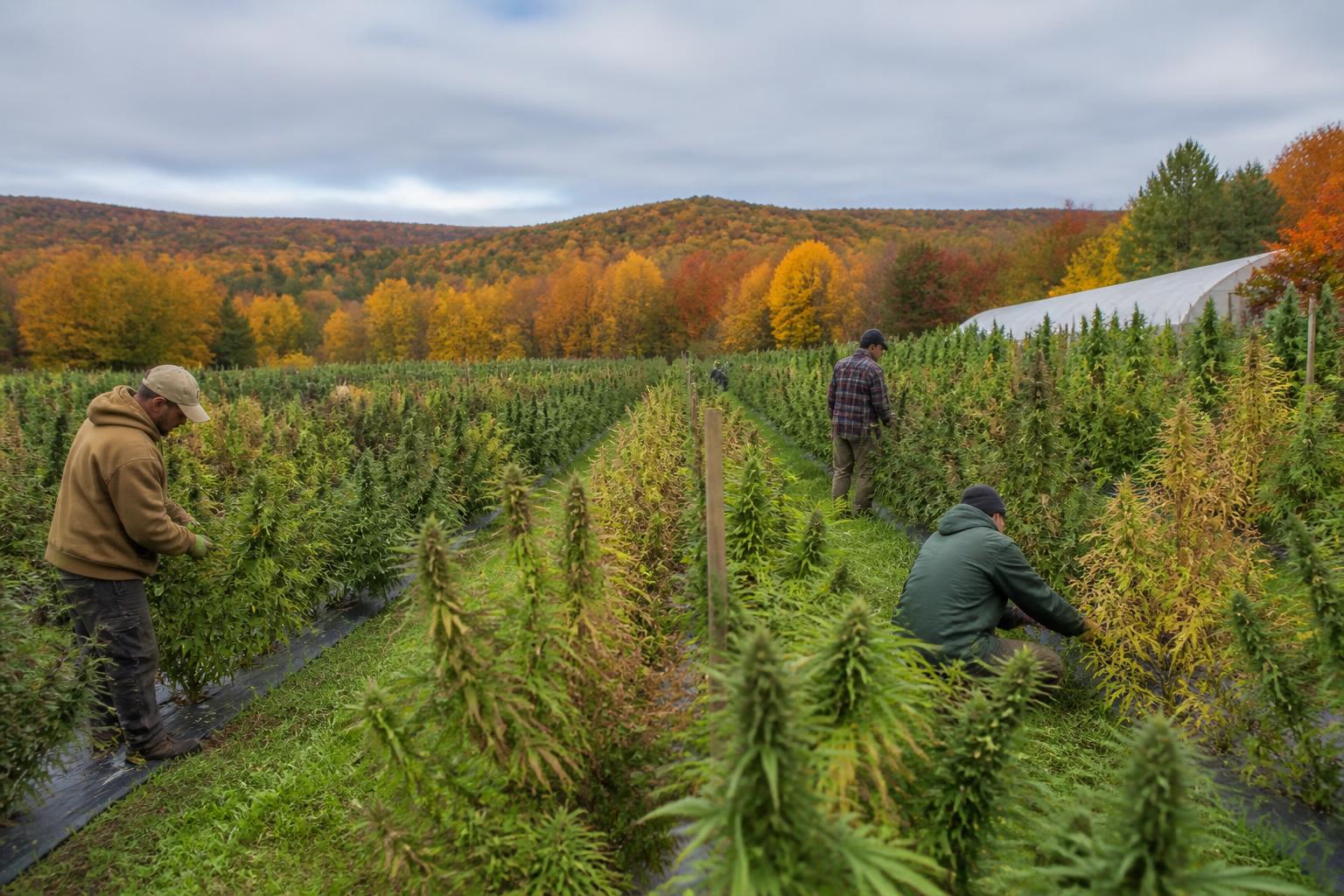
As New York farmers enter the peak of the fall season, managing tightening crop protection options and logistical efficiency remains a priority for regional agribusinesses.
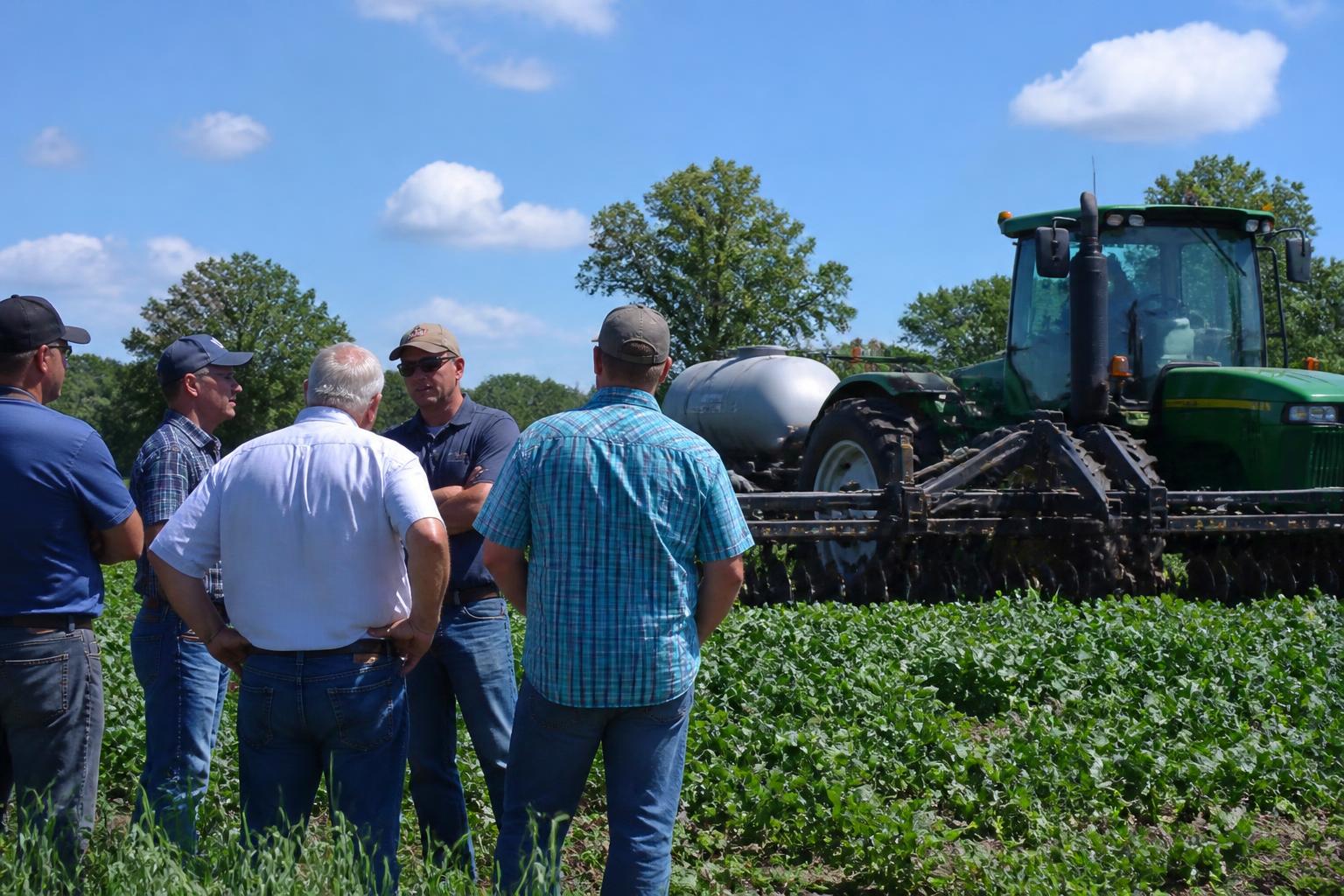
As New York farmers navigate the peak of summer, optimizing supply chain movements and managing local input distribution remain critical for operational stability.
New York farmers are navigating mid-season challenges as recent reports confirm the arrival of tar spot alongside persistent invasive pest concerns, impacting local management strategies.
As August fieldwork intensifies across New York, producers are evaluating late-season crop protection strategies to mitigate pest and disease pressure while monitoring broader market volatility.
As summer temperatures peak, New York producers must balance crop protection strategies with fluctuating input availability and shifting land-use pressures across the state.
New York farmers are evaluating financial relief options and market conditions as they manage input costs and logistics during the mid-summer season.
Sign in to manage requests, save contacts and respond to market offers quickly.
Continue with Google Continue with MicrosoftSign in to manage requests, save contacts and respond to market offers quickly.
Continue with Google Continue with MicrosoftEnter your email and we will send a password reset link.
Don't have an account?
We value your privacy
We use cookies to run the site and, with your consent, to measure traffic (Google Analytics) and personalize ads. You can accept, reject, or choose. Privacy Policy